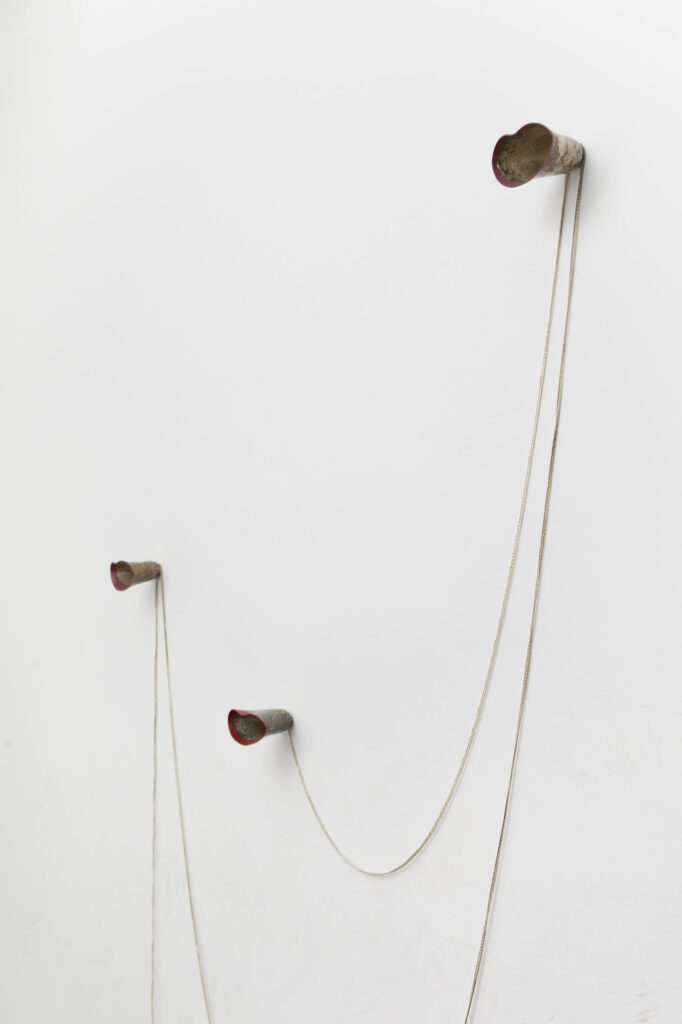
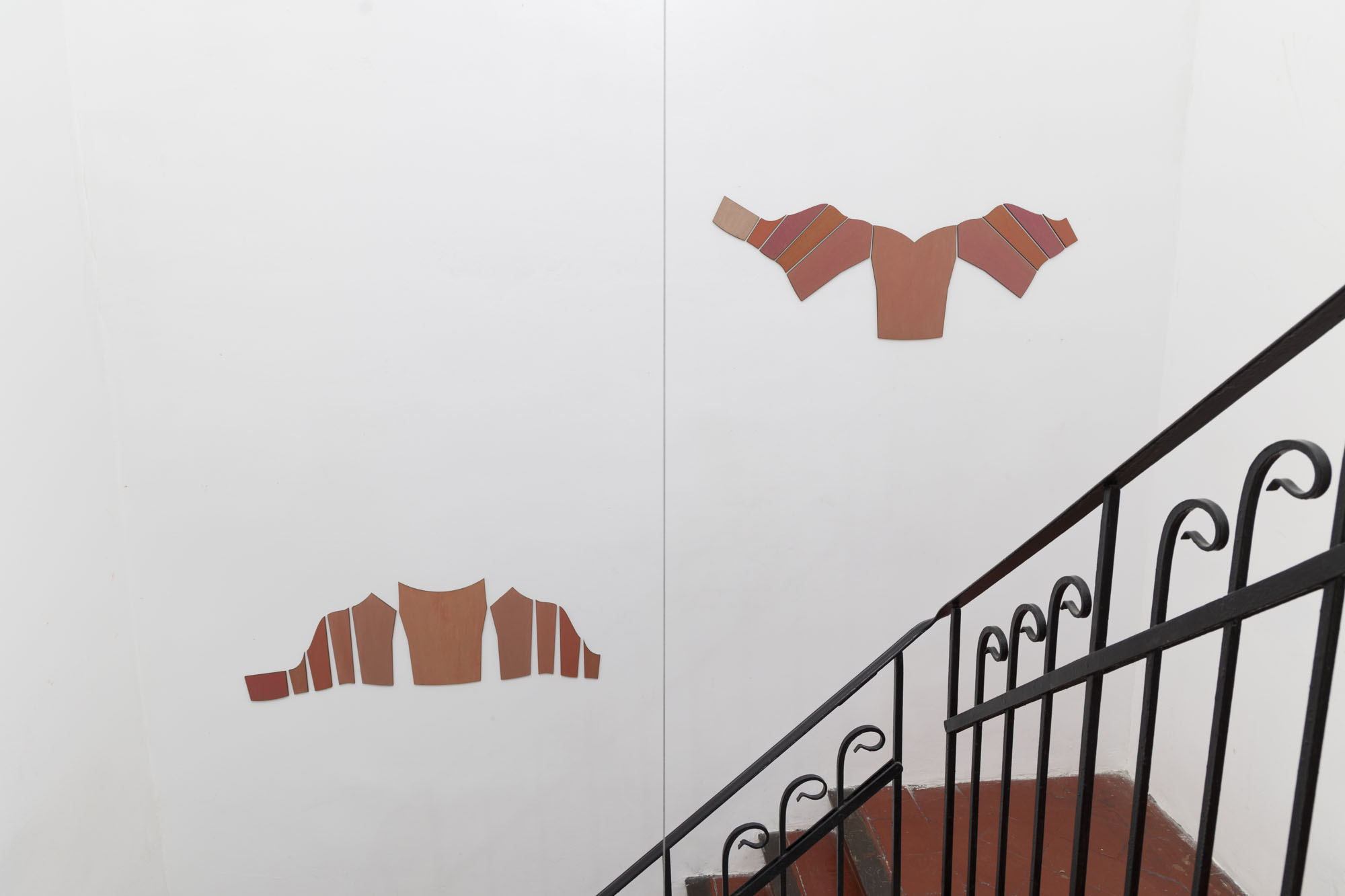
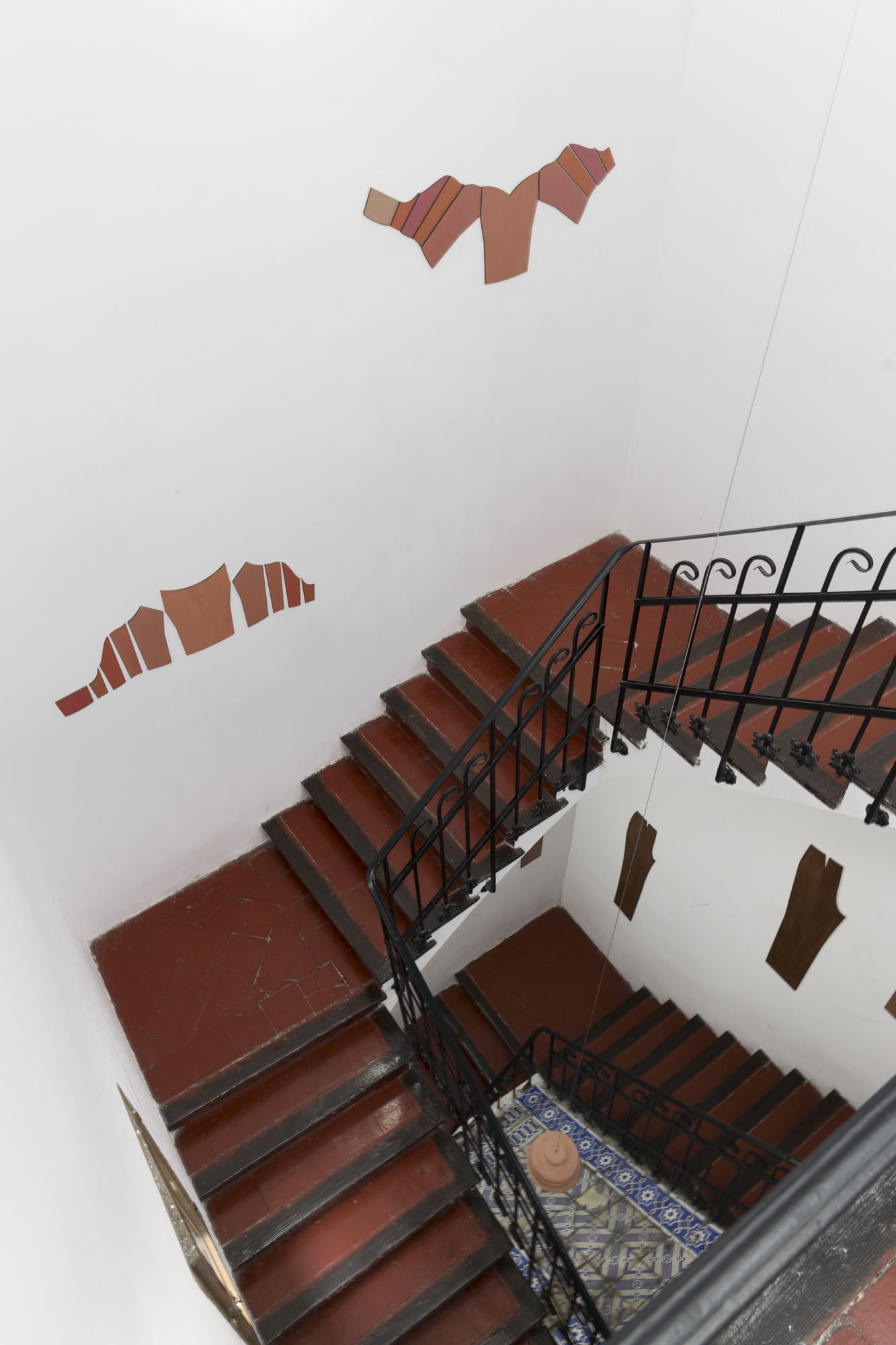
The bust, together with the head, is the most frequently represented part of the human being. Most commemorative statues that pay tribute to a historical figure—generally male and of questionable ethics—depict the individual through his bust. This part, which functions as a metonymy for the body, is the same one that remains visible when wearing a strapless neckline.
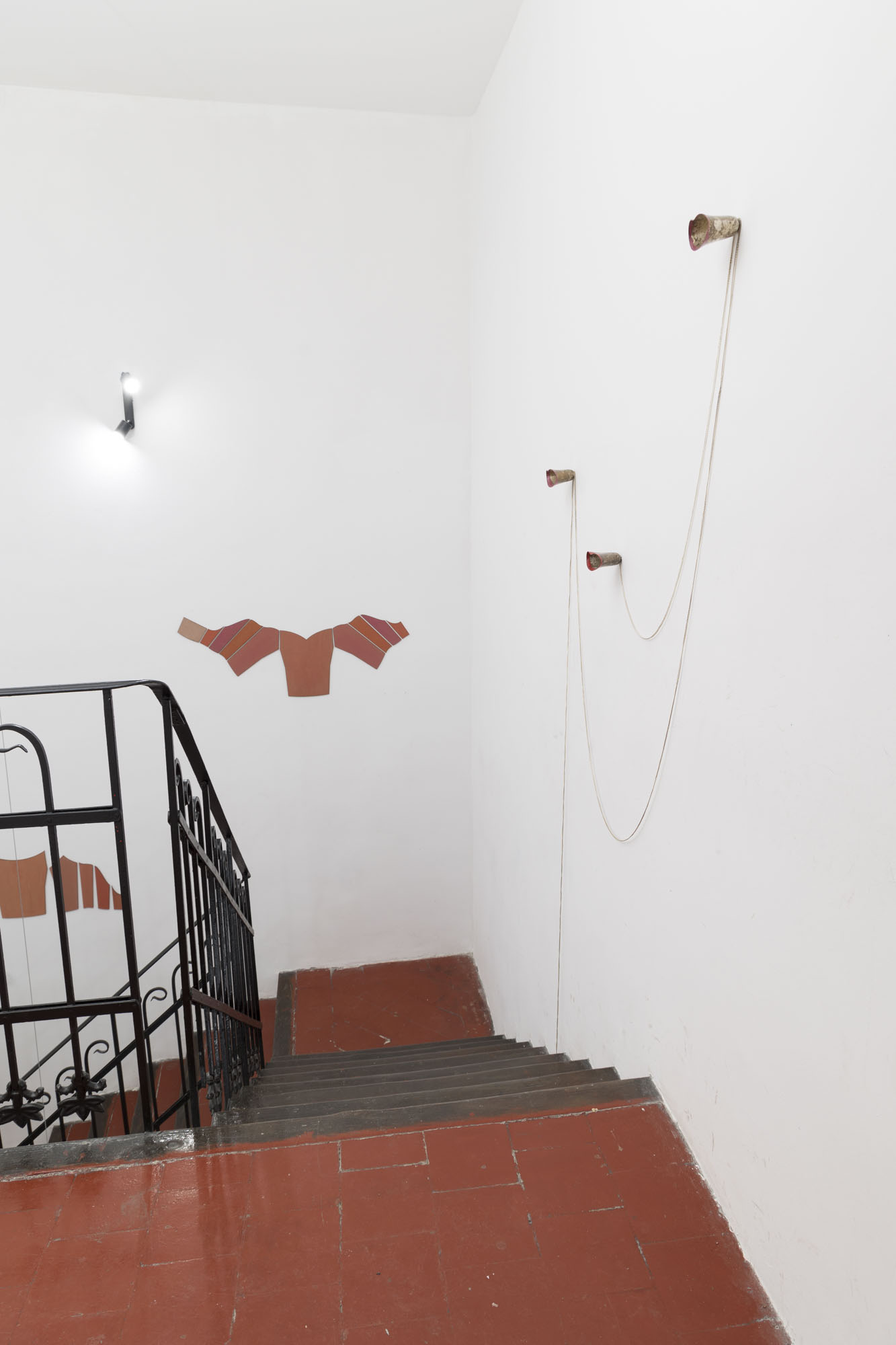
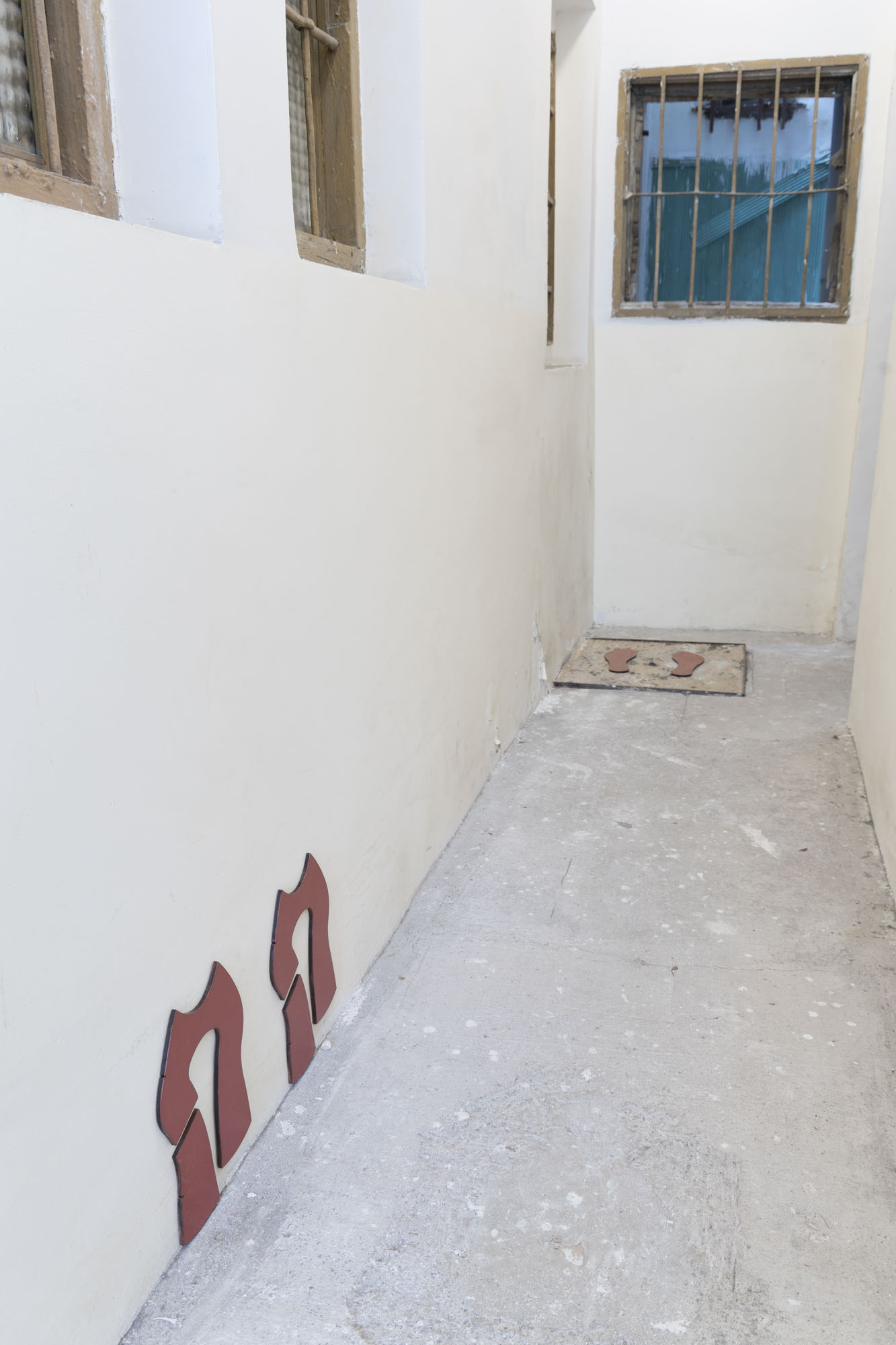
The strapless neckline is a type of neckline, traditionally feminine, that fits just under the armpits (there are versions with sleeves) and straight across above the chest, without straps to hold it up, leaving the bust bare. I wonder about the relationship between the idealization of statues and the objectification of the female body. Why can women display the bust on their bodies, while men do so through representation? And why do I like wearing a strapless neckline so much—could it have something to do with my own feminine self-representation?
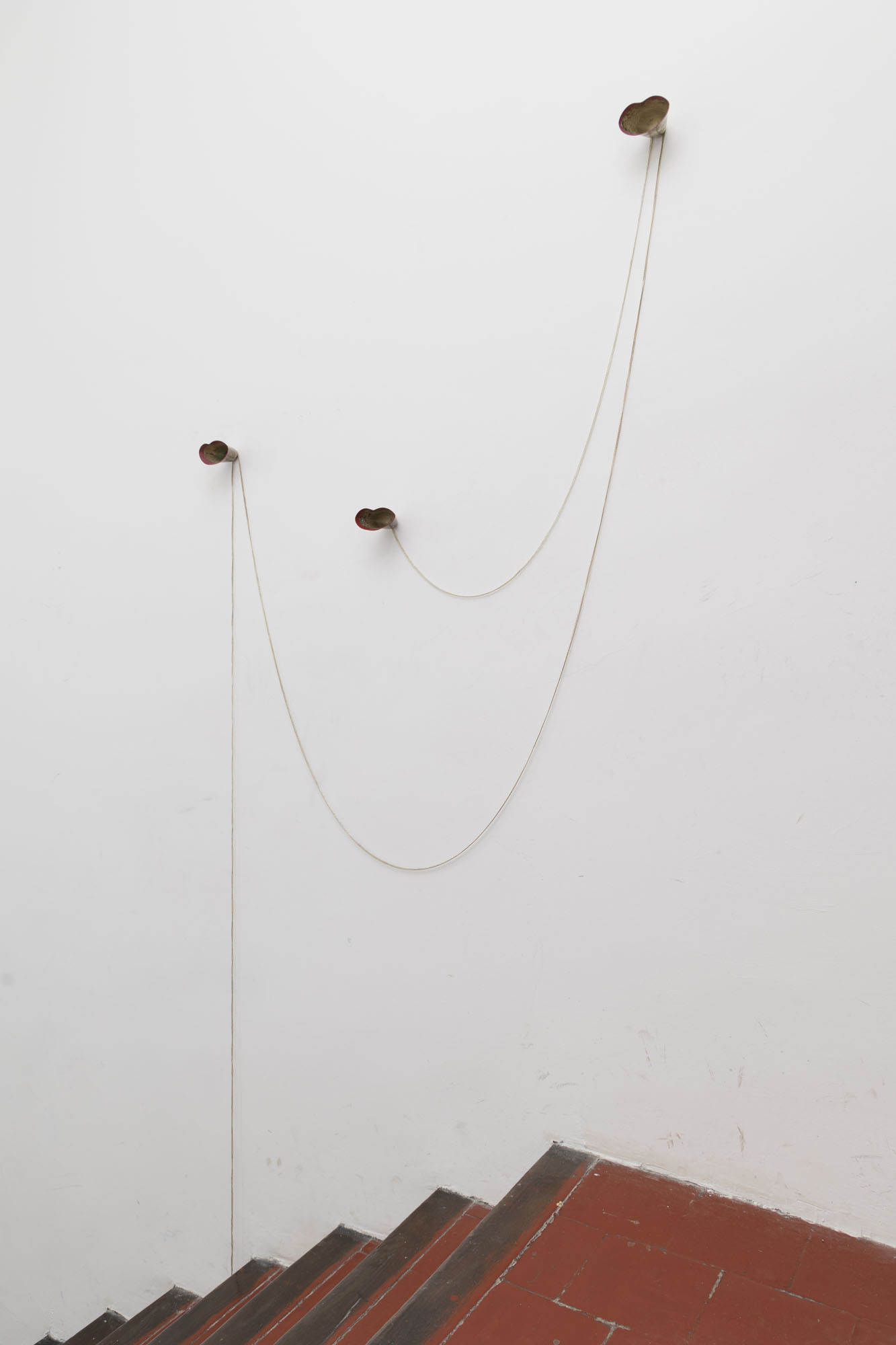
In Spanish it is called palabra de honor (“word of honor”) because the tailor who invented it gave his word to the client that the dress would not fall down. I wonder whether the name came before the fiction, or vice versa. Perhaps we need fables to give meaning to things, just as we need to represent and to represent ourselves. I wonder whether this association makes any sense, or whether it is simply a chance and insignificant connection. I also wonder whether it matters if it makes sense. Meaning sometimes kills the bond. And how beautiful chance relationships are!
Hodei Herreros Rodríguez
Hodei Herreros Rodríguez
PdH
1 / 10