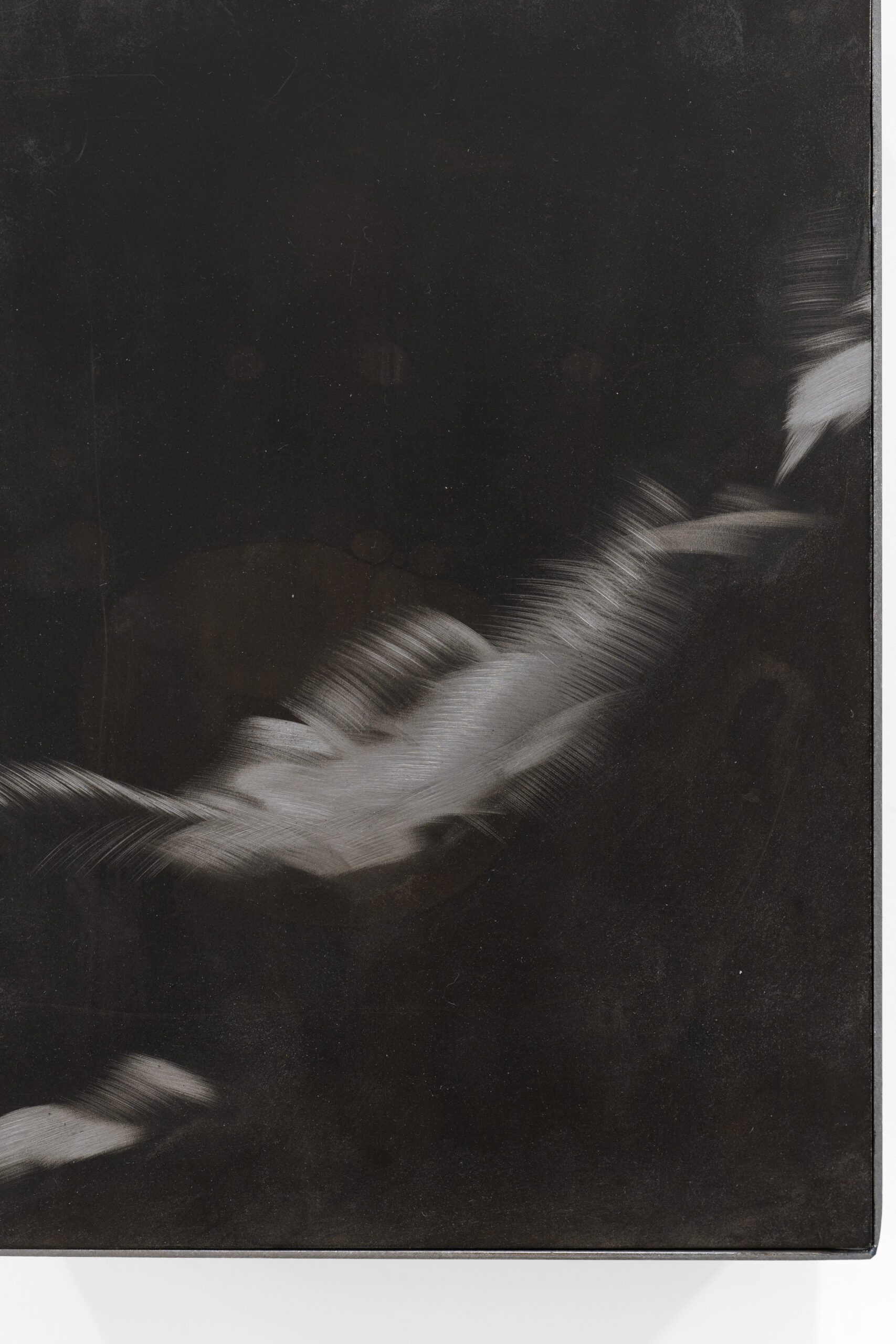
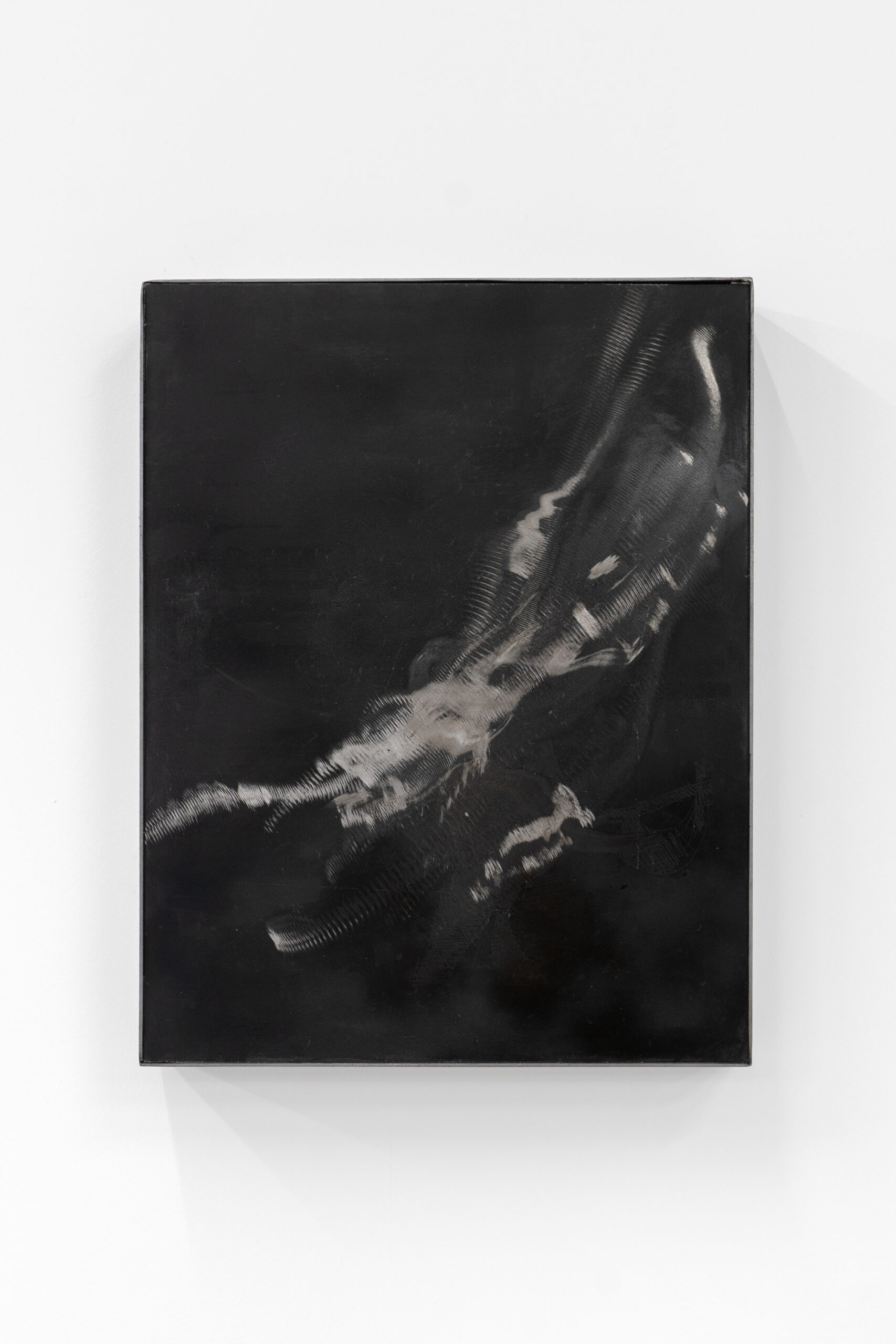
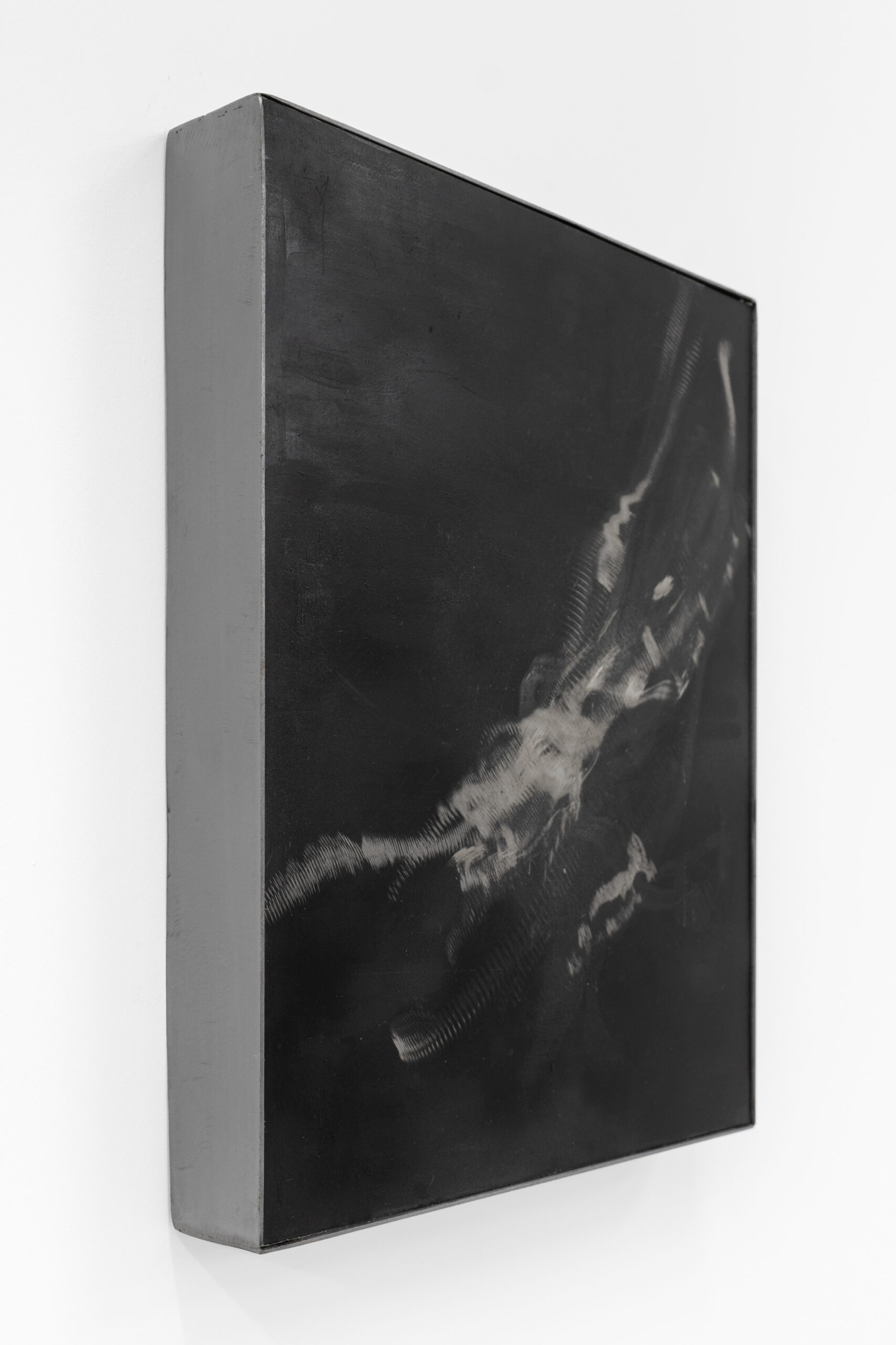
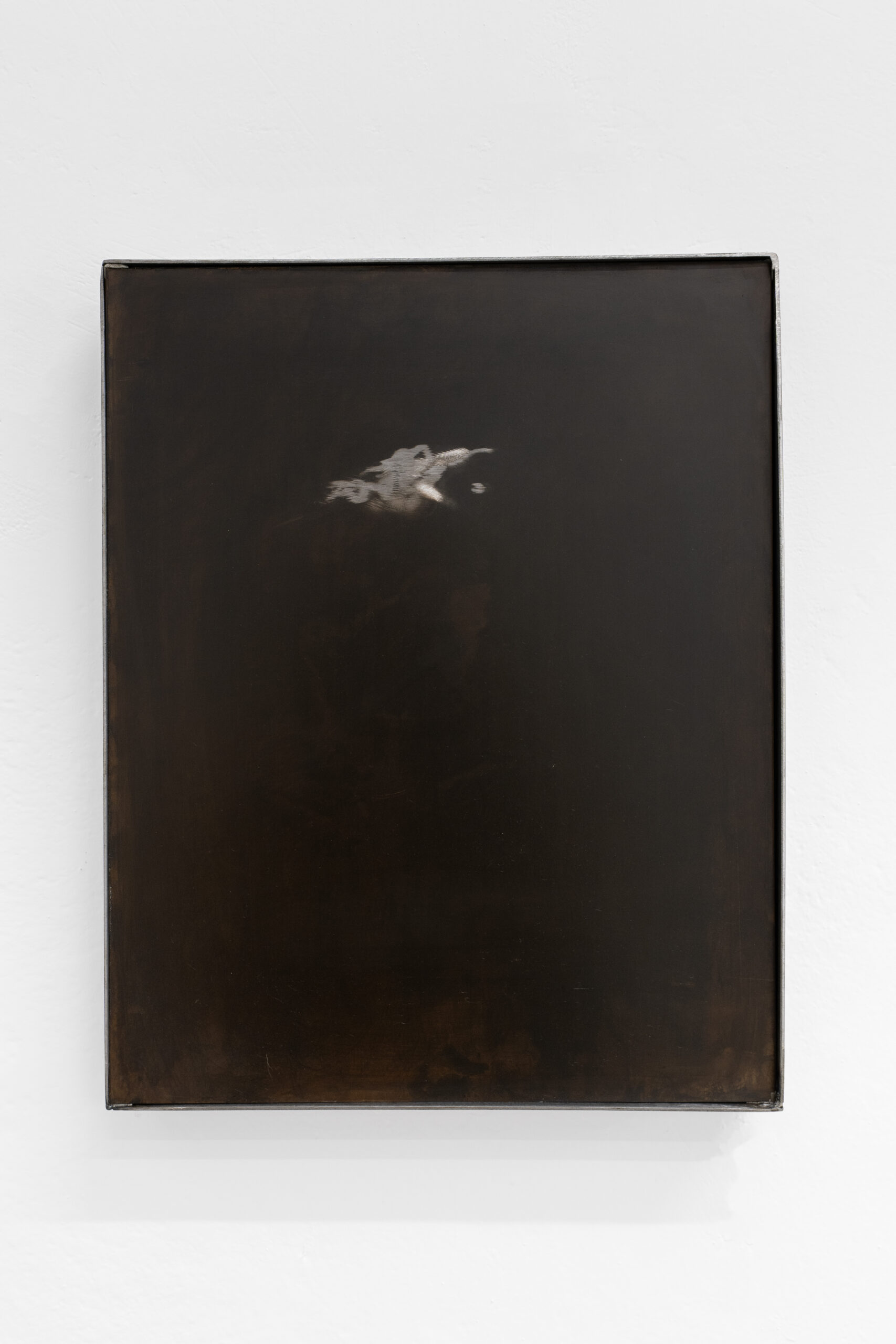
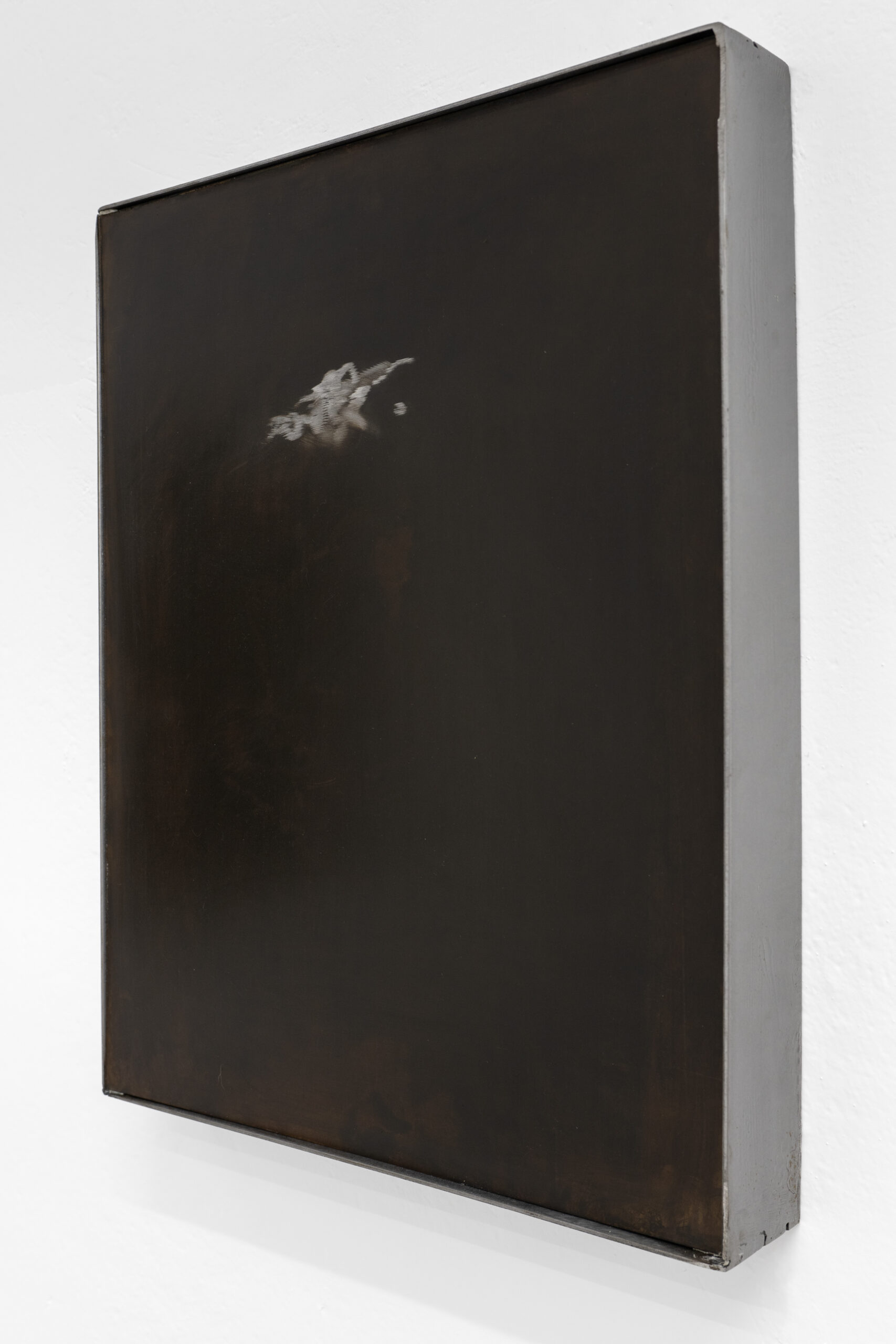
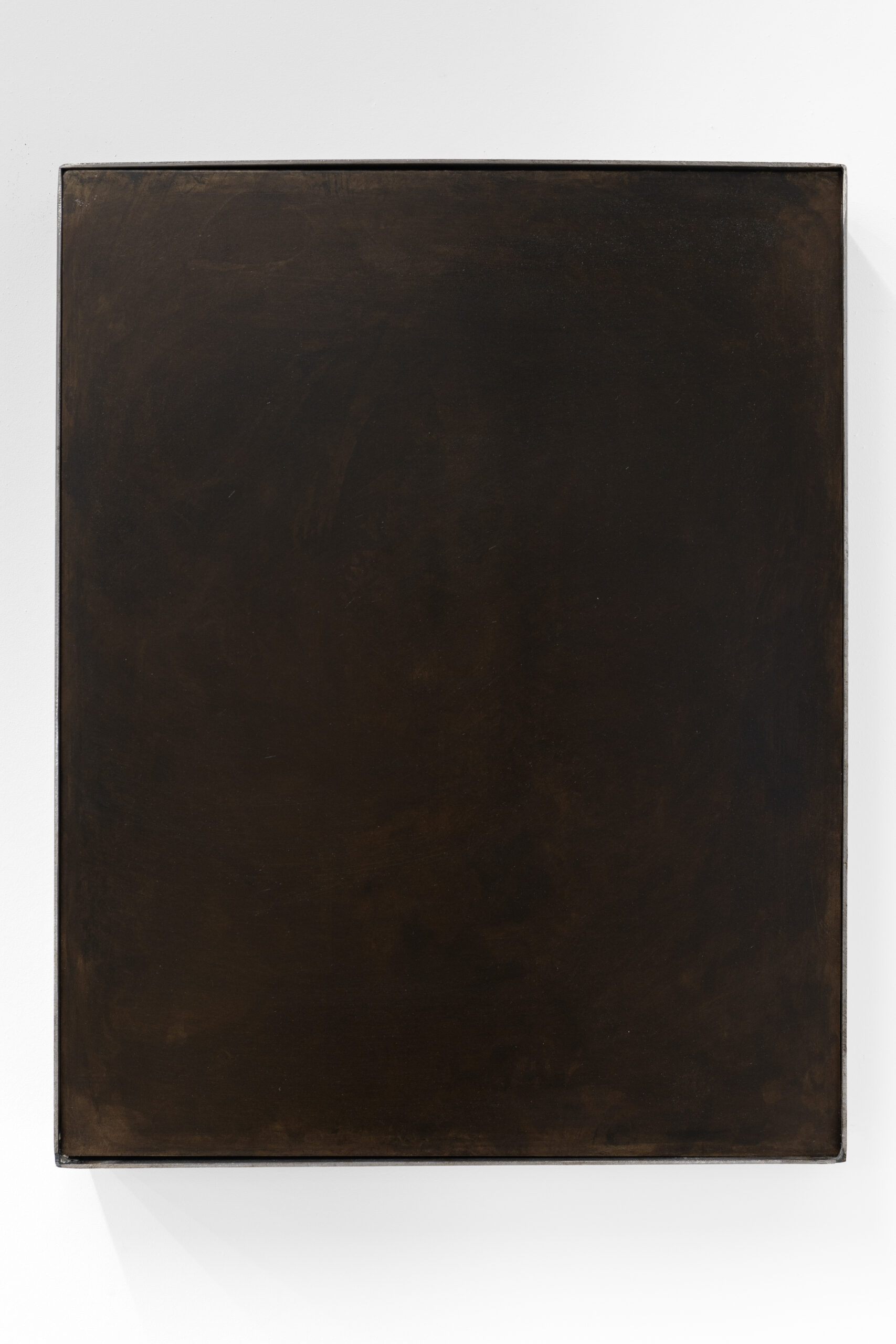
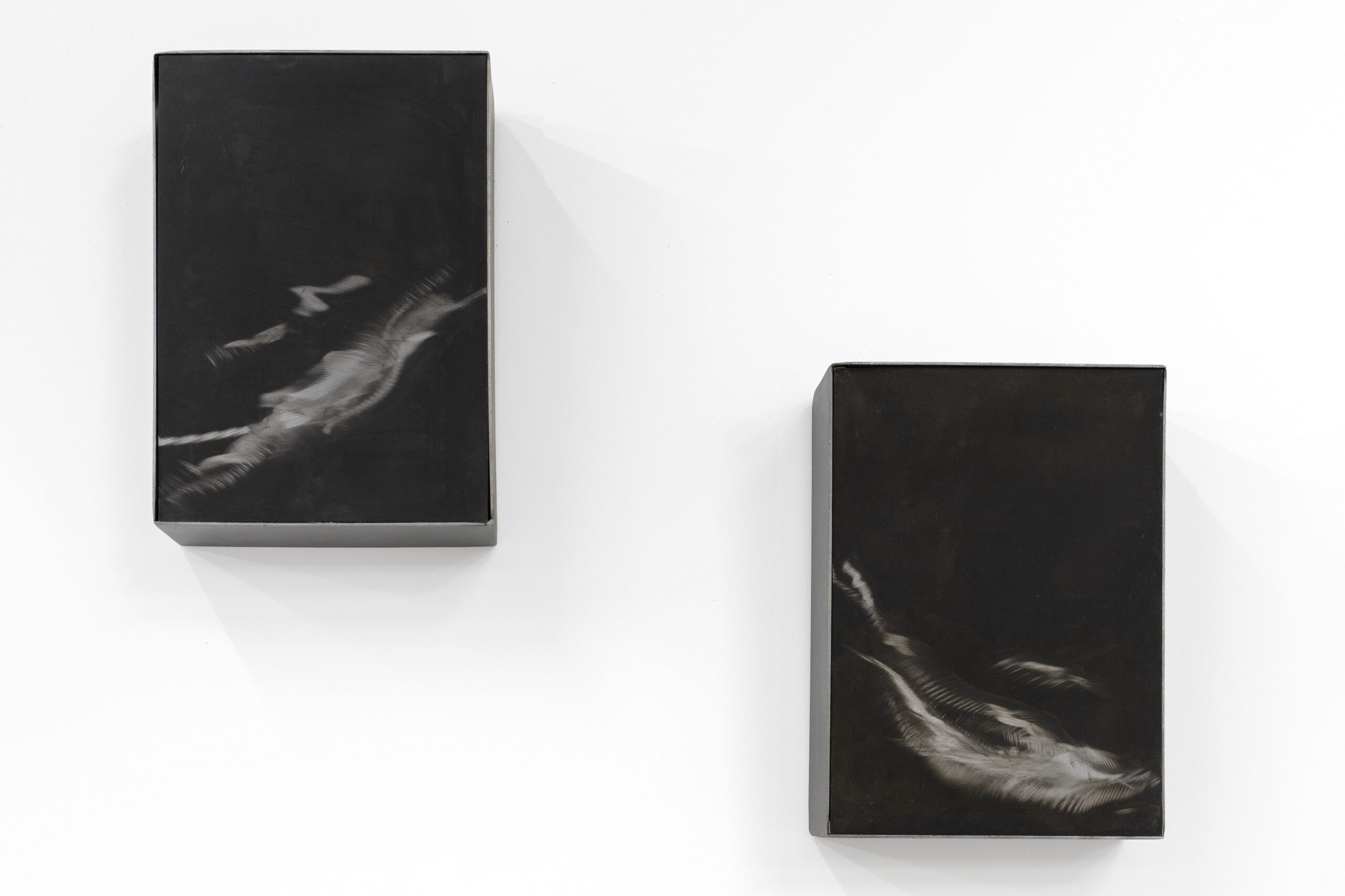
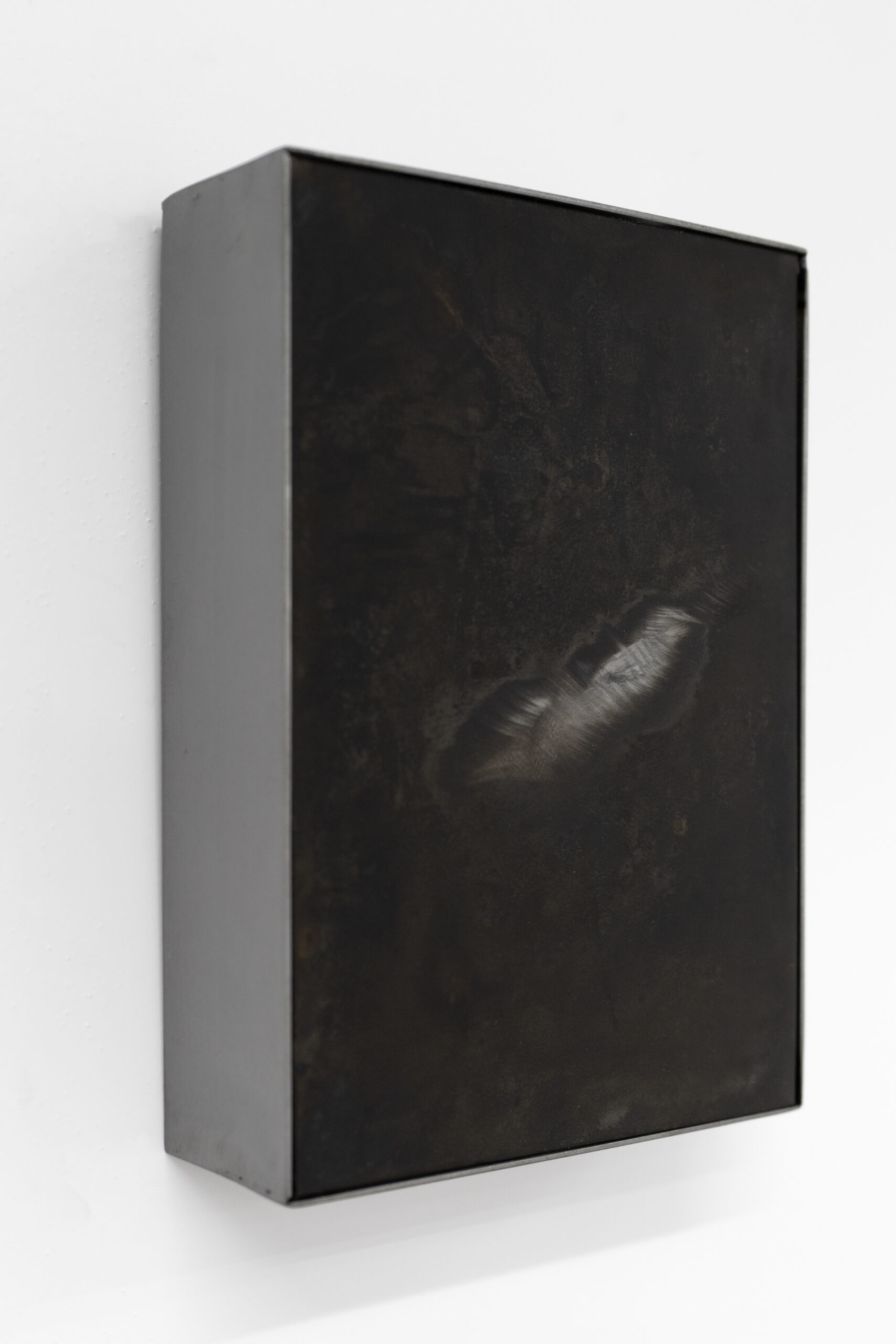
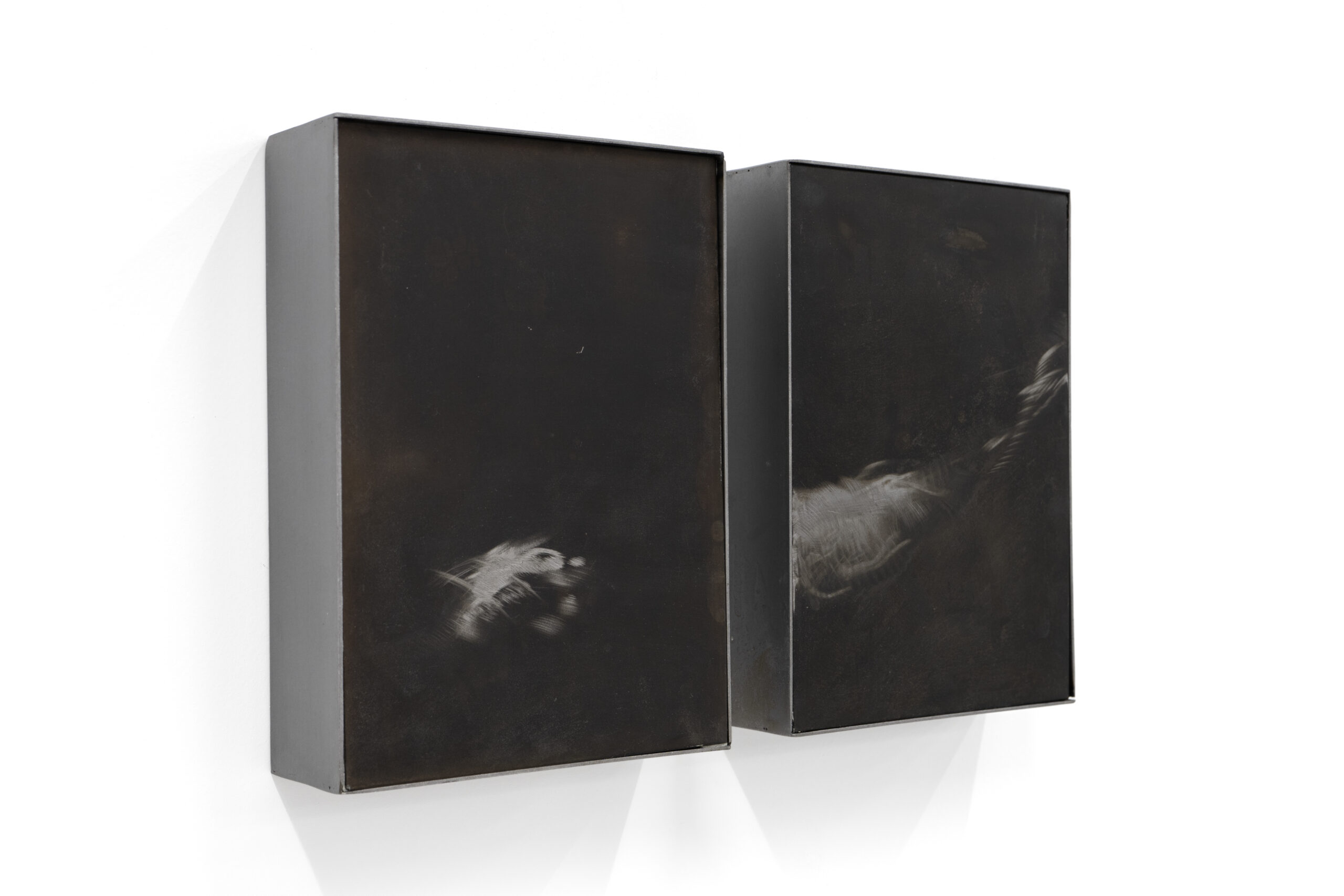
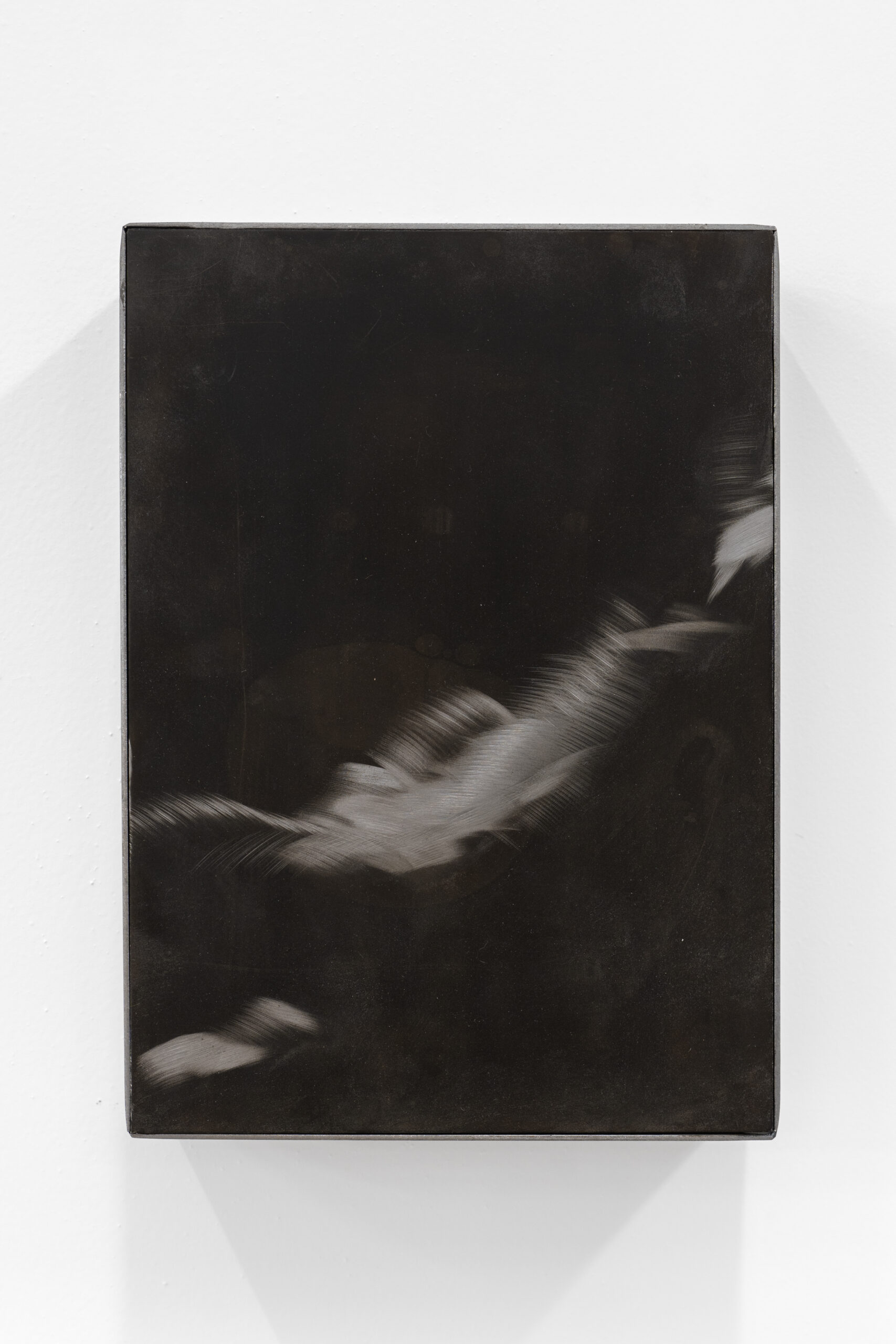
In a field
I am the absence
of field.
This is
always the case.
Wherever I am
I am what is missing.
When I walk
I part the air
and always
the air moves in
to fill the spaces
where my body’s been.
We all have reasons
for moving.
I move
to keep things whole¹.
Keeping things whole, Mark Strand (1964)
I) During his journey through Spanish America, Humboldt saw in the systems of relations between living organisms, landscape, and climatic conditions the ground on which to establish modern botany and geology: an ideal breeding ground for reformulating many of the questions then being posed to the scientific community. How had the skeletons of tapirs, crocodiles, or elephants reached Lapland? Had water currents carried them there and deposited them underground, or might they have inhabited those lands years ago—hundreds of years, perhaps millennia—as a result of fluctuations in the Earth’s axis or variations in solar radiation?
The popularity achieved by Humboldt’s Essay on the Geography of Plants was due less to its conclusions—there were scarcely any conclusions—than to the way in which it sought to reposition the paradigm of the natural sciences. He had worked in the field according to the conventions of his time, taking measurements, making comparisons, and classifying in the manner of Linnaean taxonomy. Yet he was able to go further by determining that the things that inhabit this world exist and relate to one another beyond what any taxonomic system can encompass: they enter into relations among themselves, on their own, without the need for a subjectivity to bring them into relation.
In other words, every existing interpretative framework employed up to that point had become inadequate for describing the true workings of the organic world. It was no longer enough to enumerate the characteristics of a species; it was necessary to speak of the conditions that shape it and of its relationship with its environment. In short, knowledge had to be displaced from the object to the relation.
Humboldt would ultimately be overtaken by the positivism developed by followers of his biogeography, such as Darwin, while the question of how entities relate to one another without the need for an external intelligence to accommodate them within its own framework would give way to the surrounding environment as seen and conceived from the perspective of each entity inhabiting the planet.
It is precisely within this context that Jakob von Uexküll’s notion of Umwelt acquires renewed force. The world ceases to present itself as a single, stable reality waiting to be described through the human eye and instead fragments into a multiplicity of perceptual worlds—as many as there are forms of existence capable of establishing relations with what surrounds them. The tick, the tree, the bird, and the human being do not inhabit the same world. Within the same space, each selects, perceives, and articulates its environment according to different capacities and relations.
To think through the Umwelt, then, would mean accepting the possibility of speculating about worlds whose experience remains inaccessible to us, displacing knowledge towards a territory that is necessarily uncertain, imaginative, and hidden..
II) It is curious to consider the relationship between the invisible and the nonexistent or, conversely, between the visible and the existent. As though anchored to a kind of radical empiricism, we maintain that something exists if it can be seen, touched, smelled or, ultimately, if it makes itself available to sensory perception.
Like that writer who, through the voice of Marco Polo, spoke of invisible cities even as he described them—how is this possible?—he spoke of cities whose streets, vegetation, inhabitants, and everything else that ultimately seems to amount to a material reality tangible to experience could indeed be described, yet any such description would remain barren in relation to the experience of the city if it attended only to what was visible.
This is why Italo Calvino grouped five cities under the heading of desire, another five under that of memory, and as many again under that of names. The reality of these cities did not correspond to a portrait of what reaches us through the senses, but rather to what remained sheltered in another corner of experience. In the preliminary note to the book, he explains that these are cities that take shape and vanish, places of exchange, but not merely of goods: also of words, desires, and memories². In the city of Isidora, there are old men, he says, who watch youth pass by, and he continues: desires are already memories³.
In this city there is no desire but longing; the present is incapable of inhabiting desire unless it remembers it, and it is within memory that this experience has been preserved. We may see Isidora, its streets and its inhabitants, but we cannot see that which makes Isidora Isidora. The city is invisible because it cannot be perceived unless one carries its memory, unless memory brings something into the present.
Calvino’s cities either do not exist or, if they do, could exist only in the imagination, within that threshold shared by memory, desire, and longing. Rather, they have crossed the boundary of place to become a condition of experience.
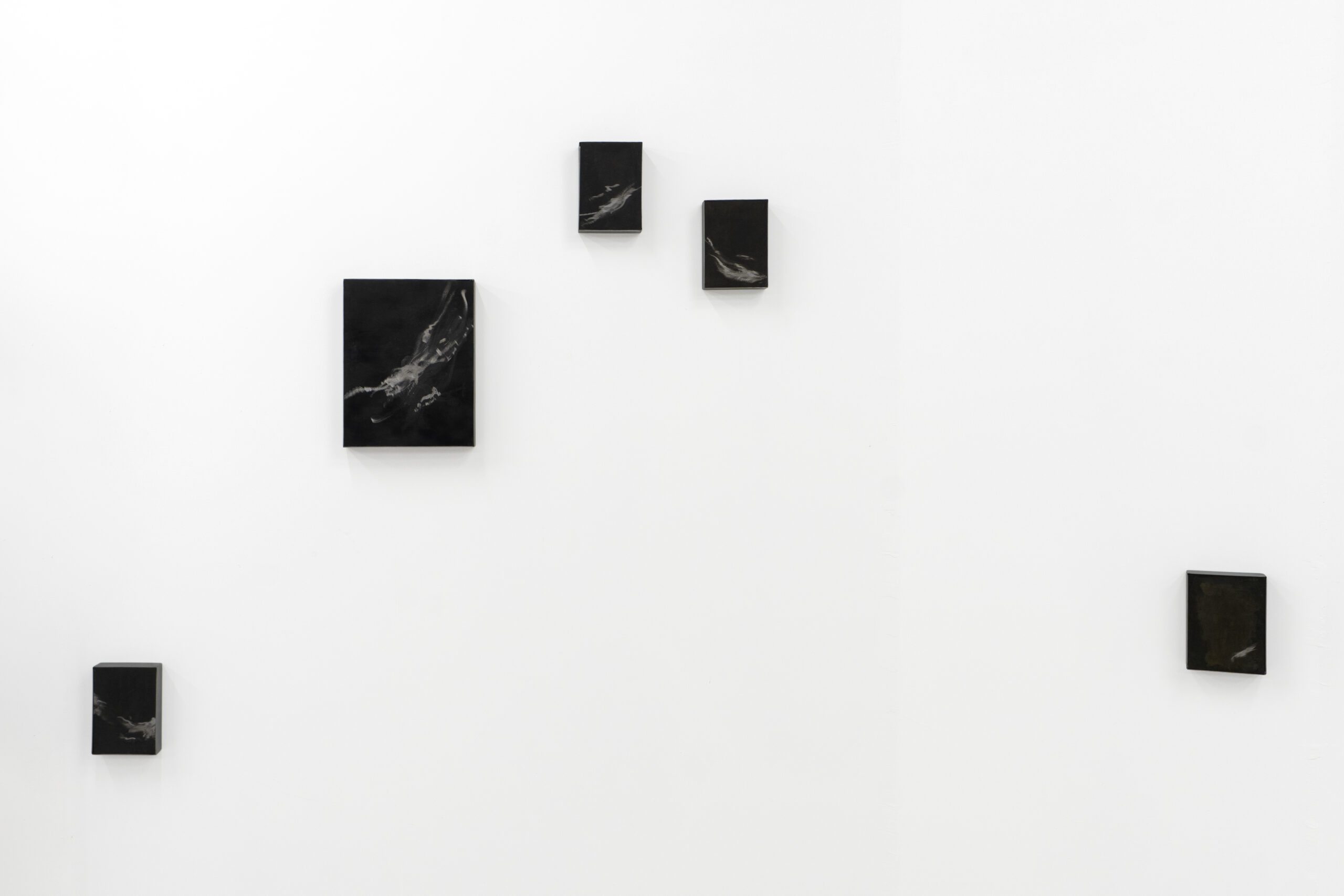
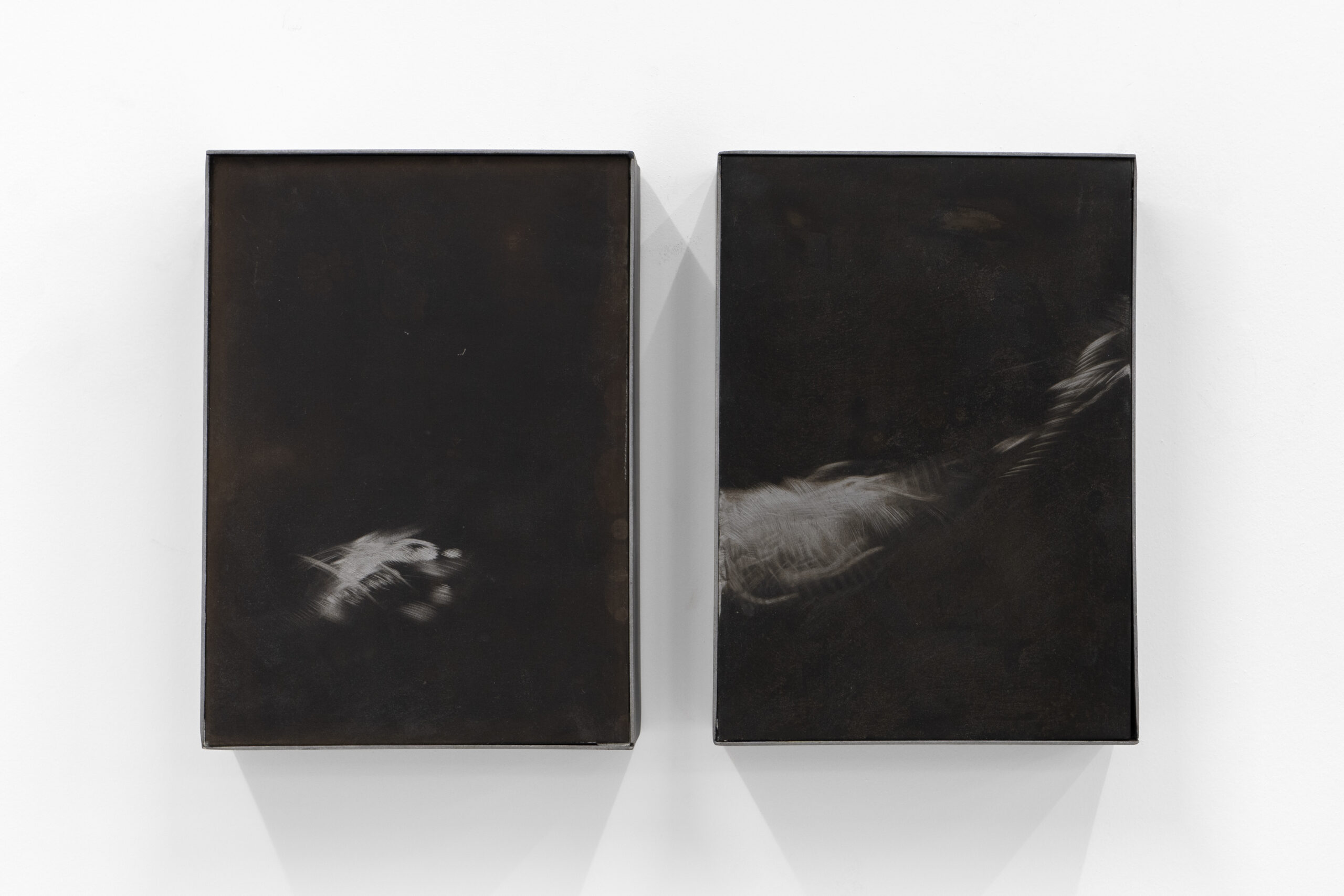
On one occasion, another writer, in another collection of stories, made much the same observation about art—or about the history of art more generally—in relation to experience itself, writing: Art is part of private history long before it becomes part of art history proper. Art is private history⁴.
As with Calvino and his cities, for Bolaño art could not be reduced to a supposed objectivity in the description of the things that constitute it; nor would it exist merely by virtue of being part of a historiographical narrative. Art would be found more faithfully in those spaces of experience where the particular lived experiences of each individual take shape.
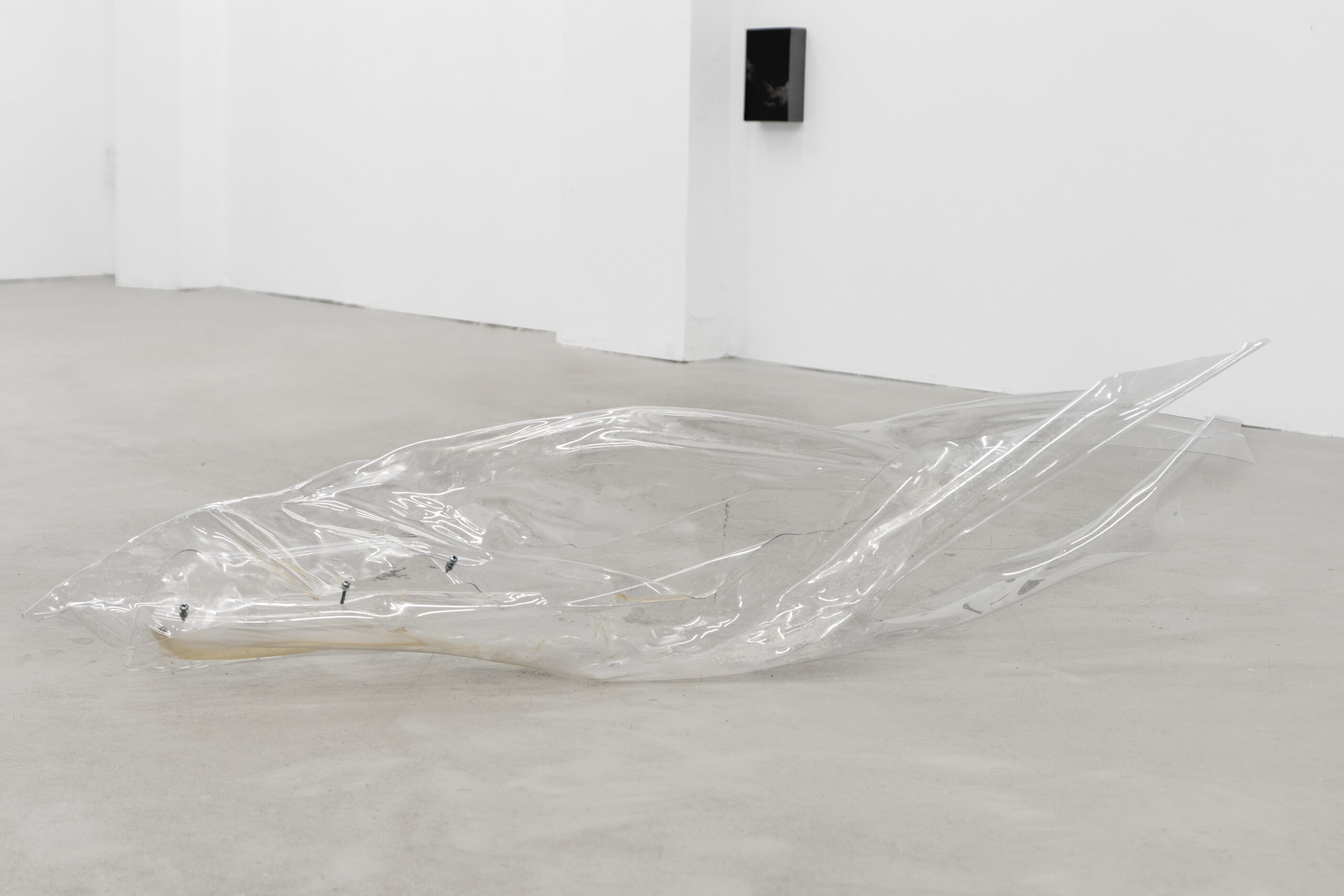
III) There is a temporal condition inherent in the very act of making: one only makes if one believes in expectation. But if expectation disappears, then there is no point of arrival for the act of making. We might call this chance. Although we are accustomed to inhabiting the realm of probability, calculation, and theory, surrendering to chance, or making through chance, is not an anomaly; quite the opposite.
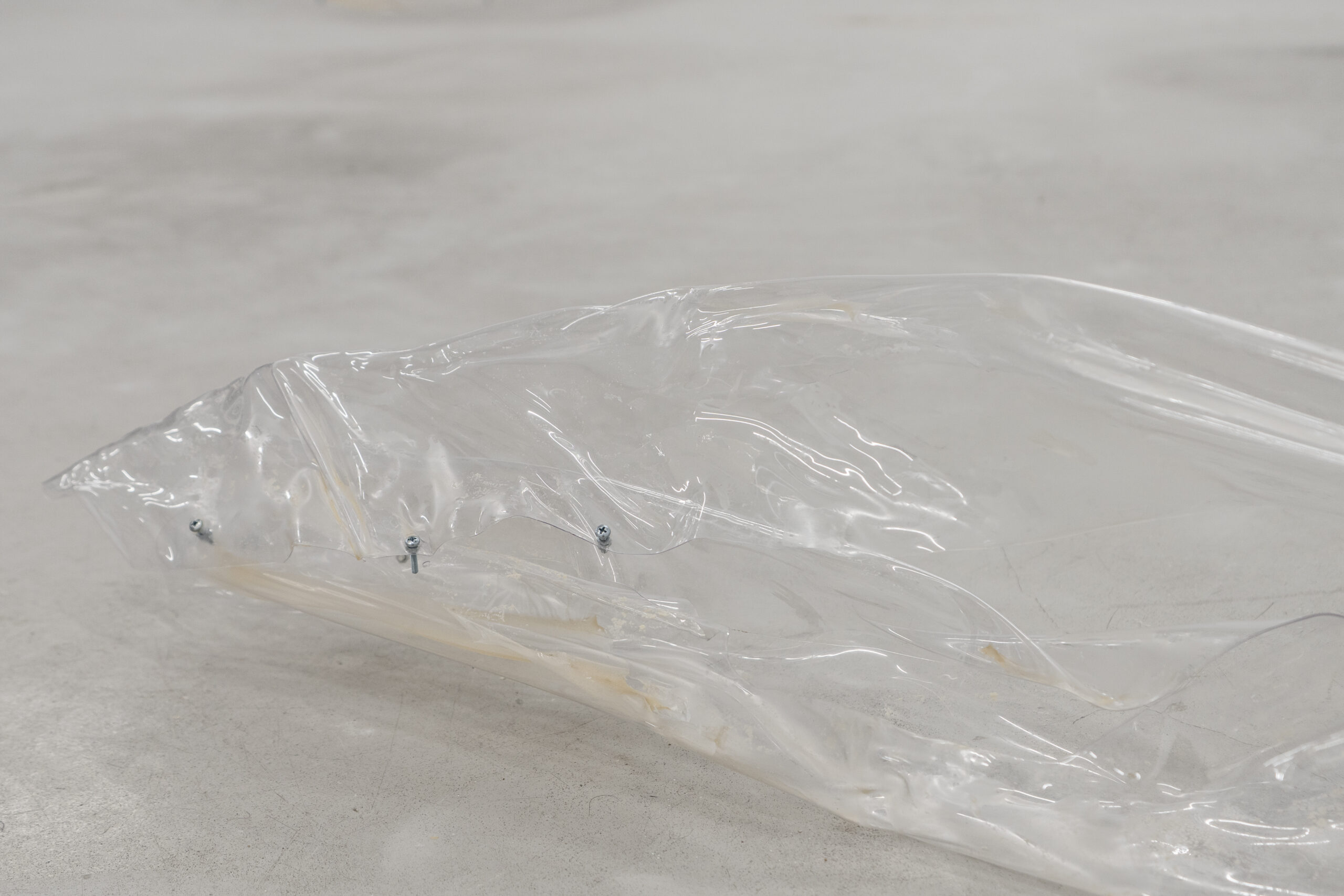
Under these circumstances—or perhaps, such is life—taking uncertainty as a premise for making can be brought about by reversing the relationship between things and the subject; that is, by allowing things themselves to escape the control of whoever might previously have sought to control them.
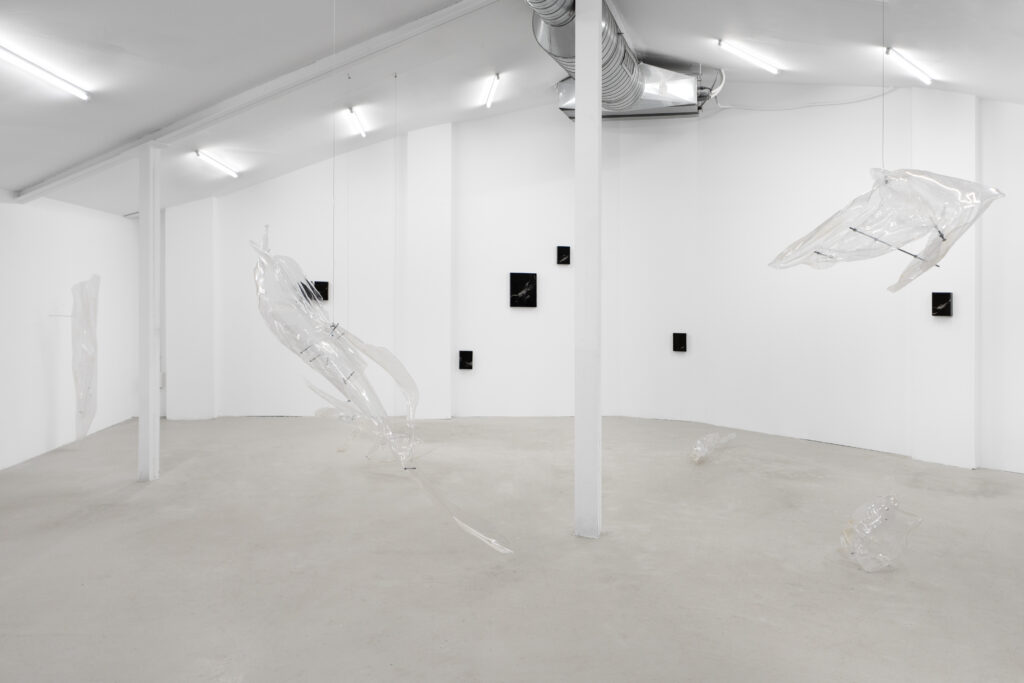
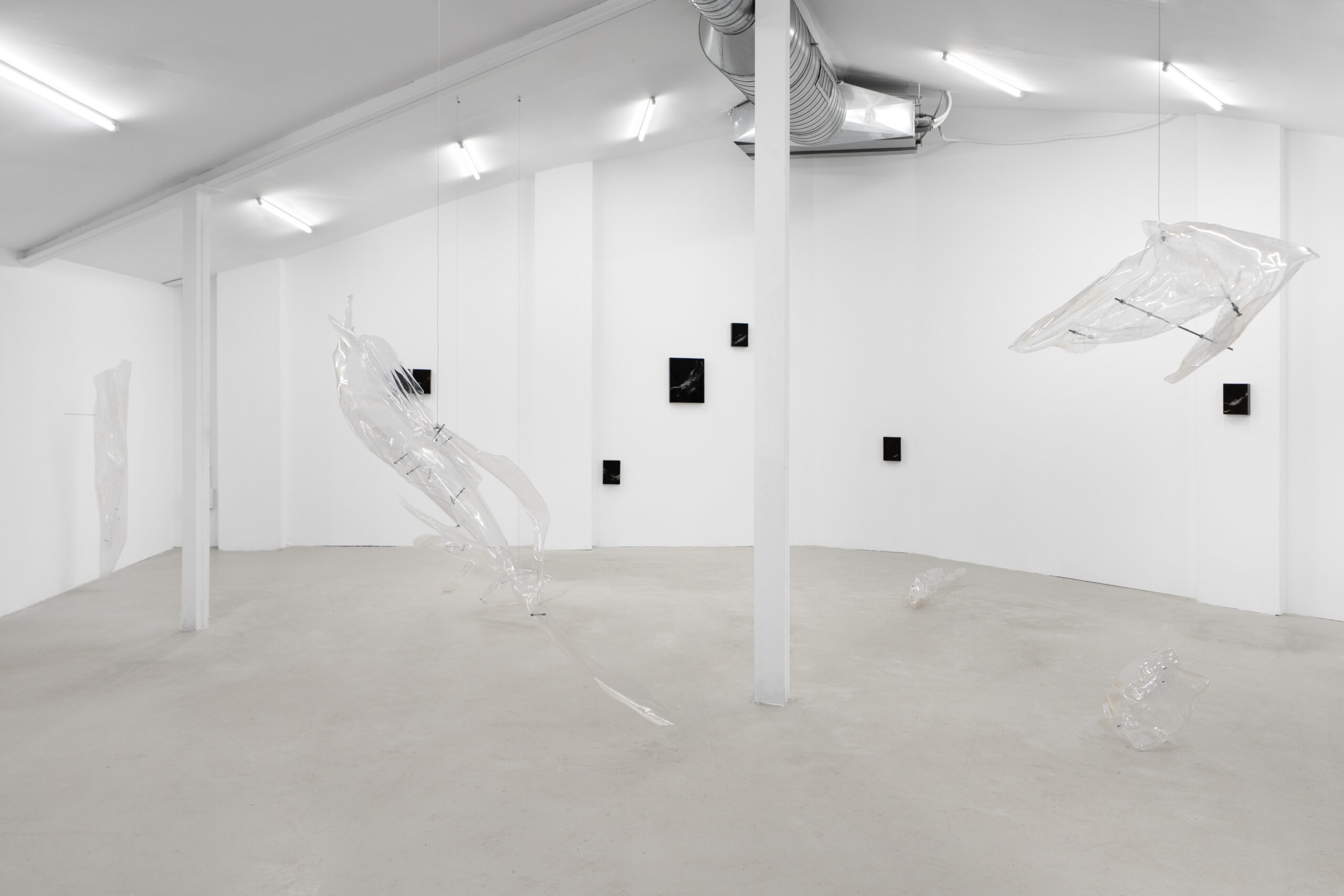
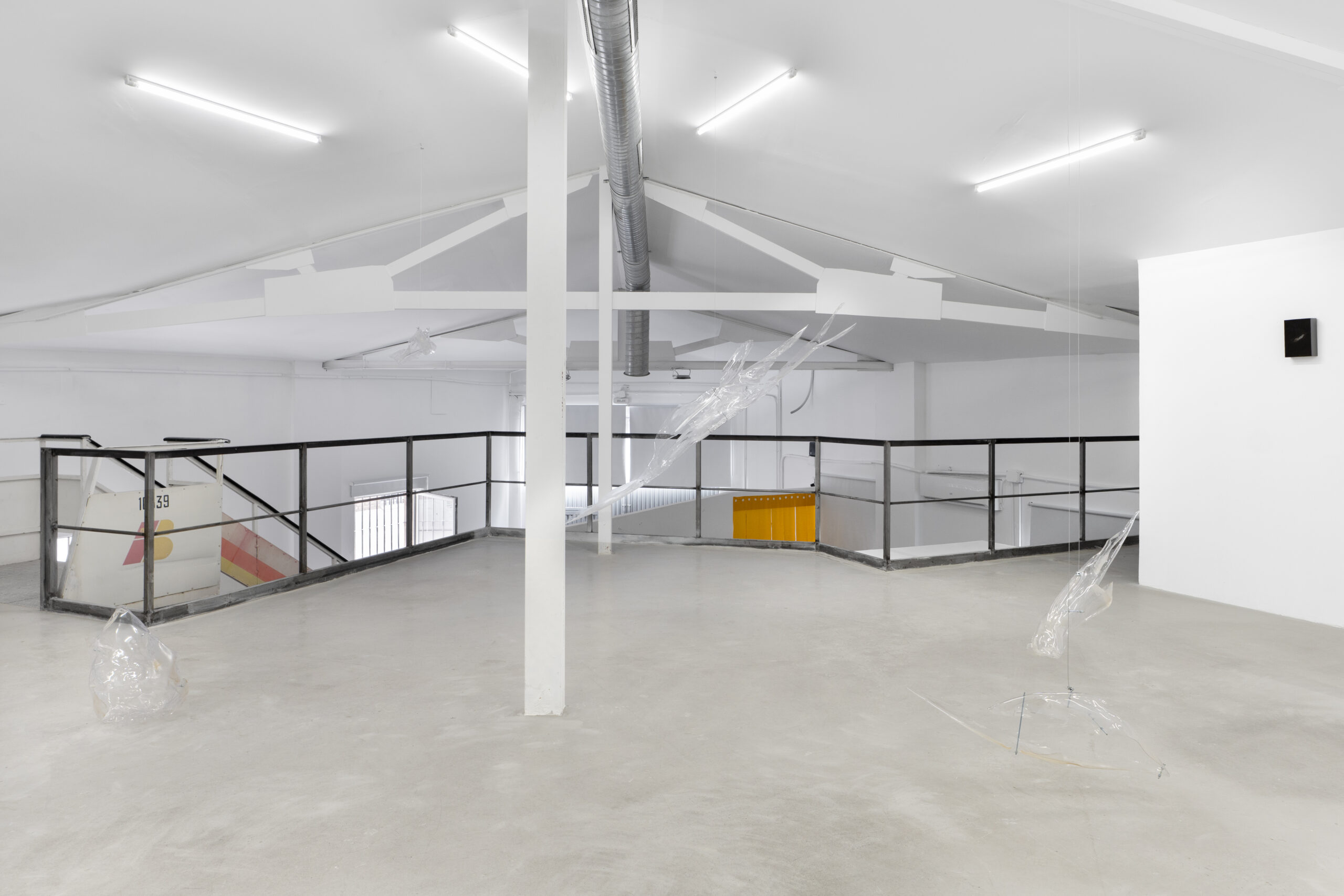
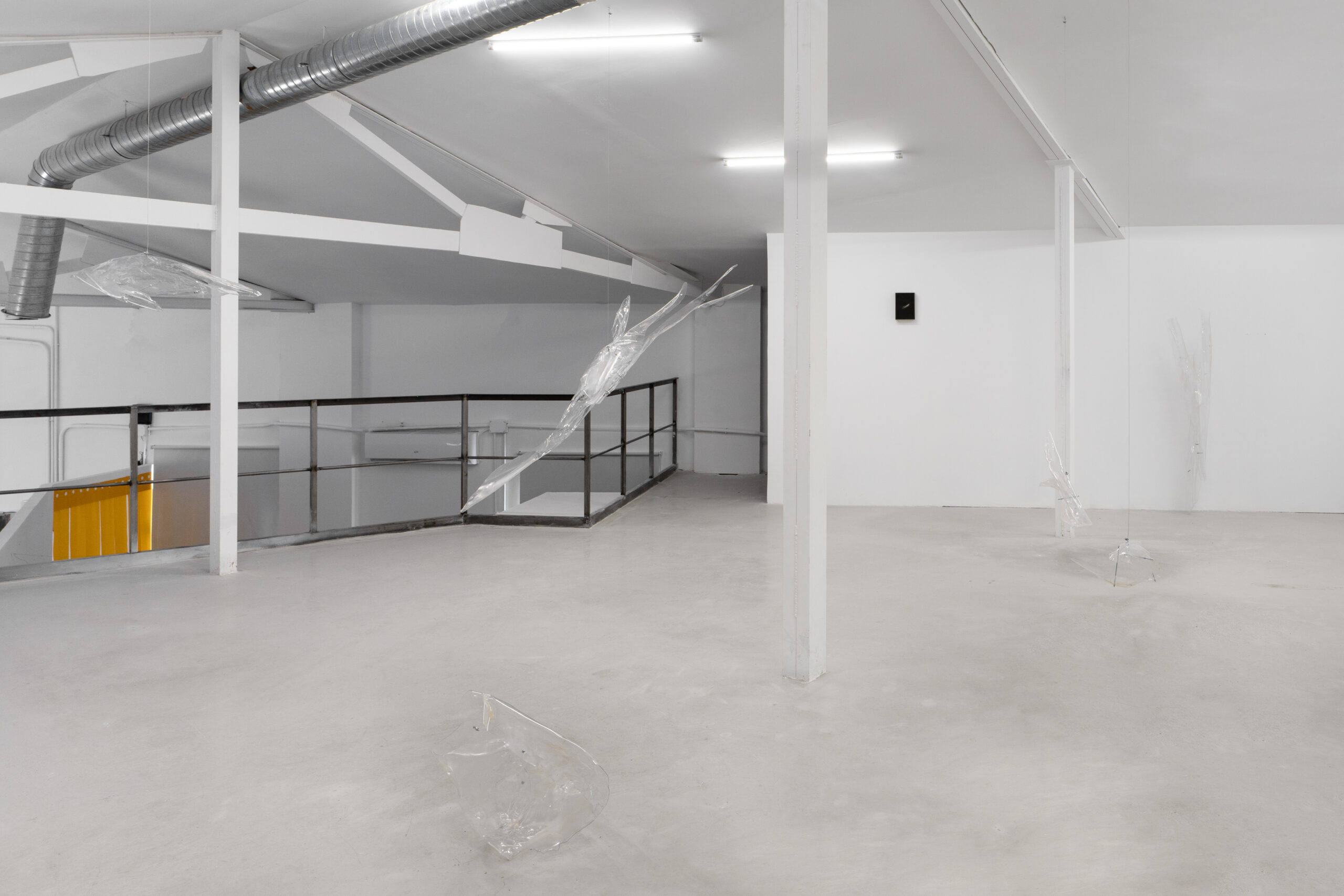
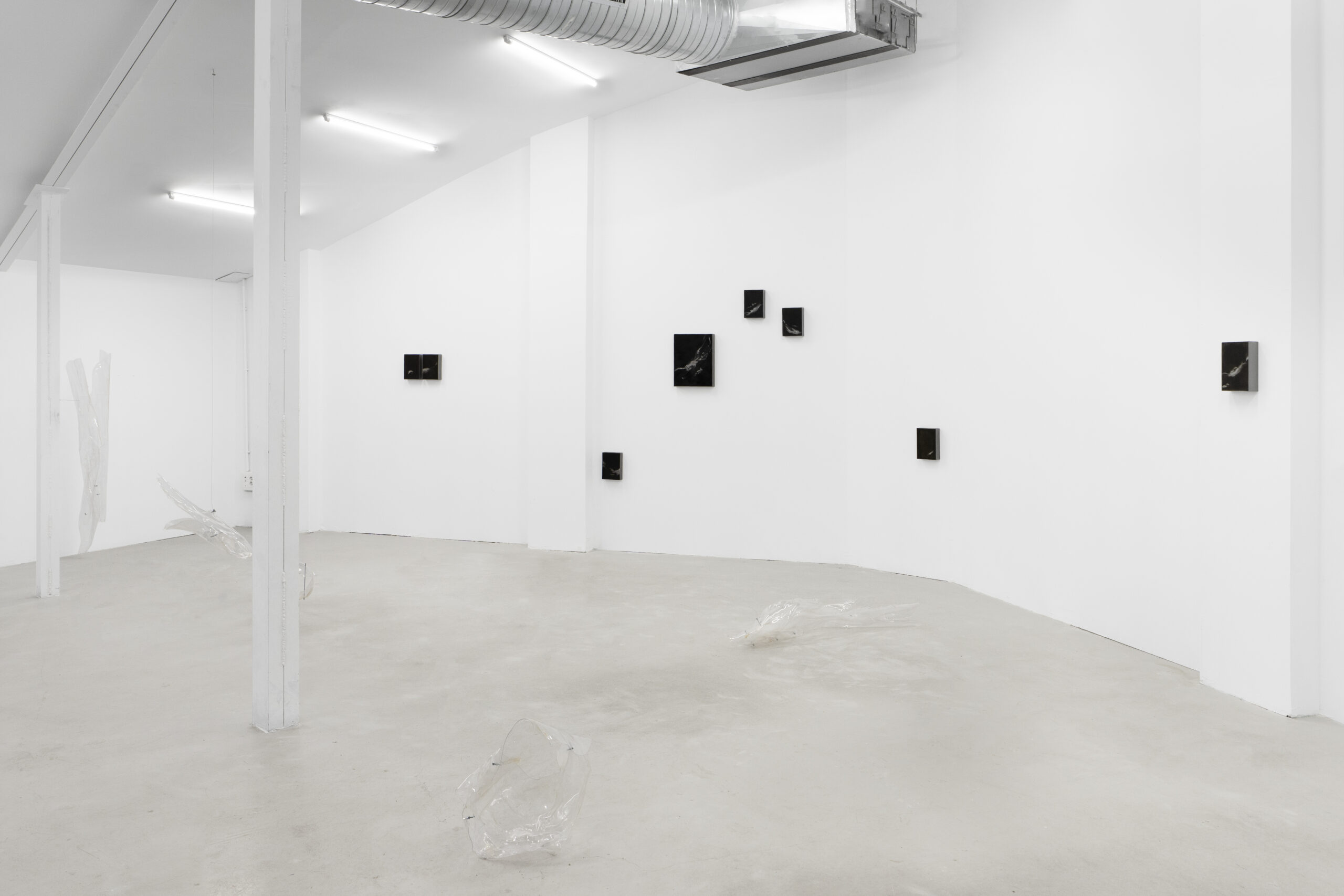
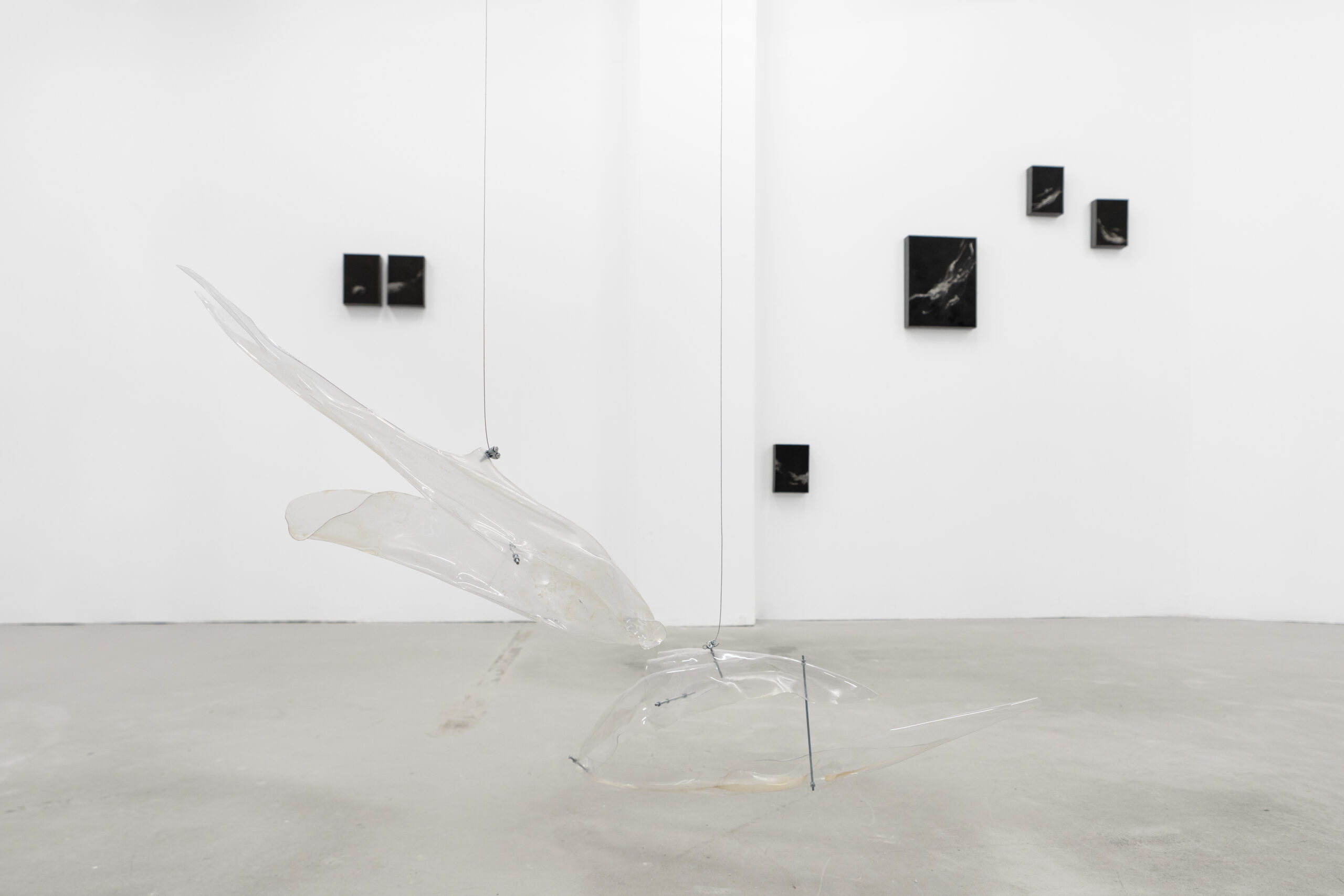
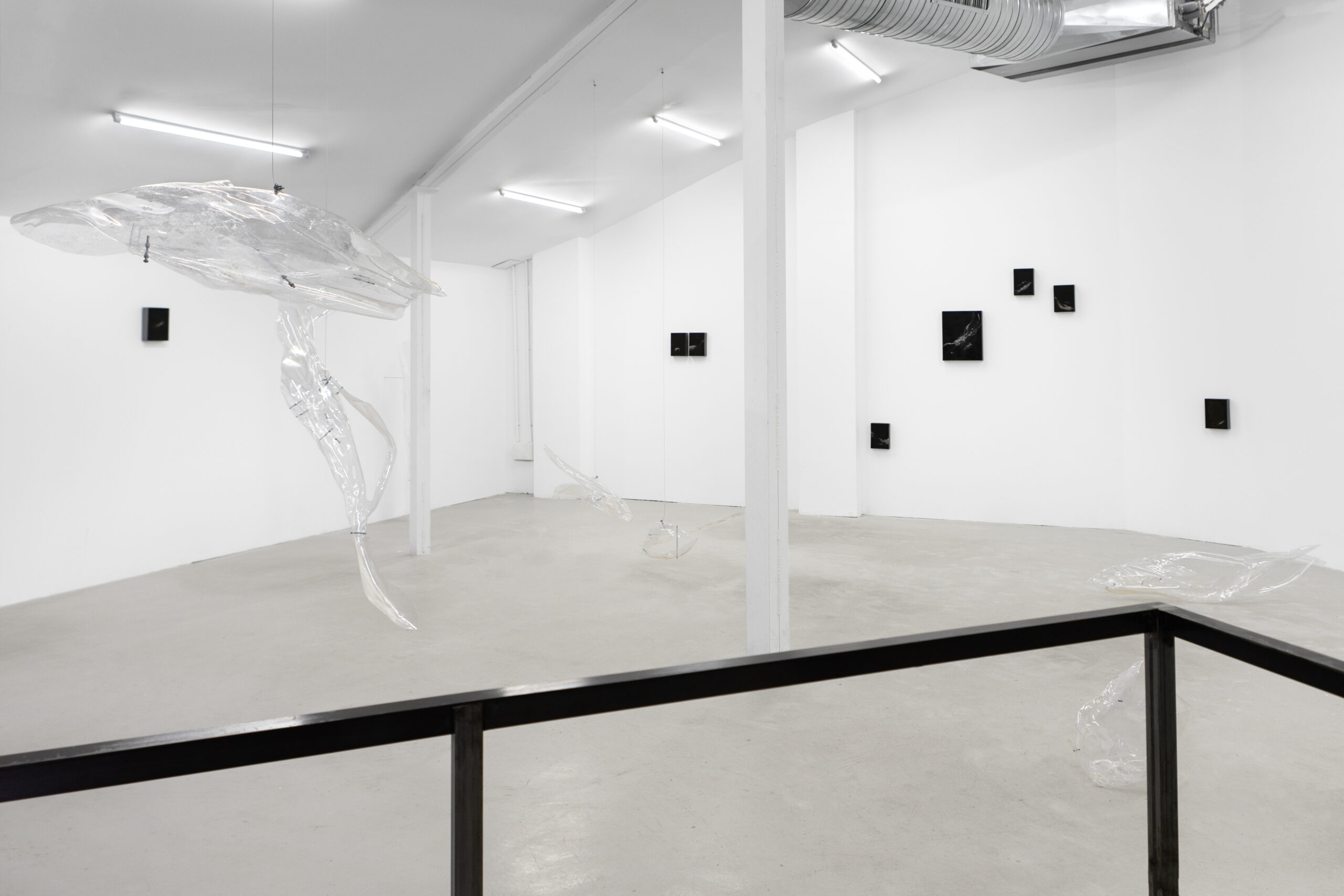
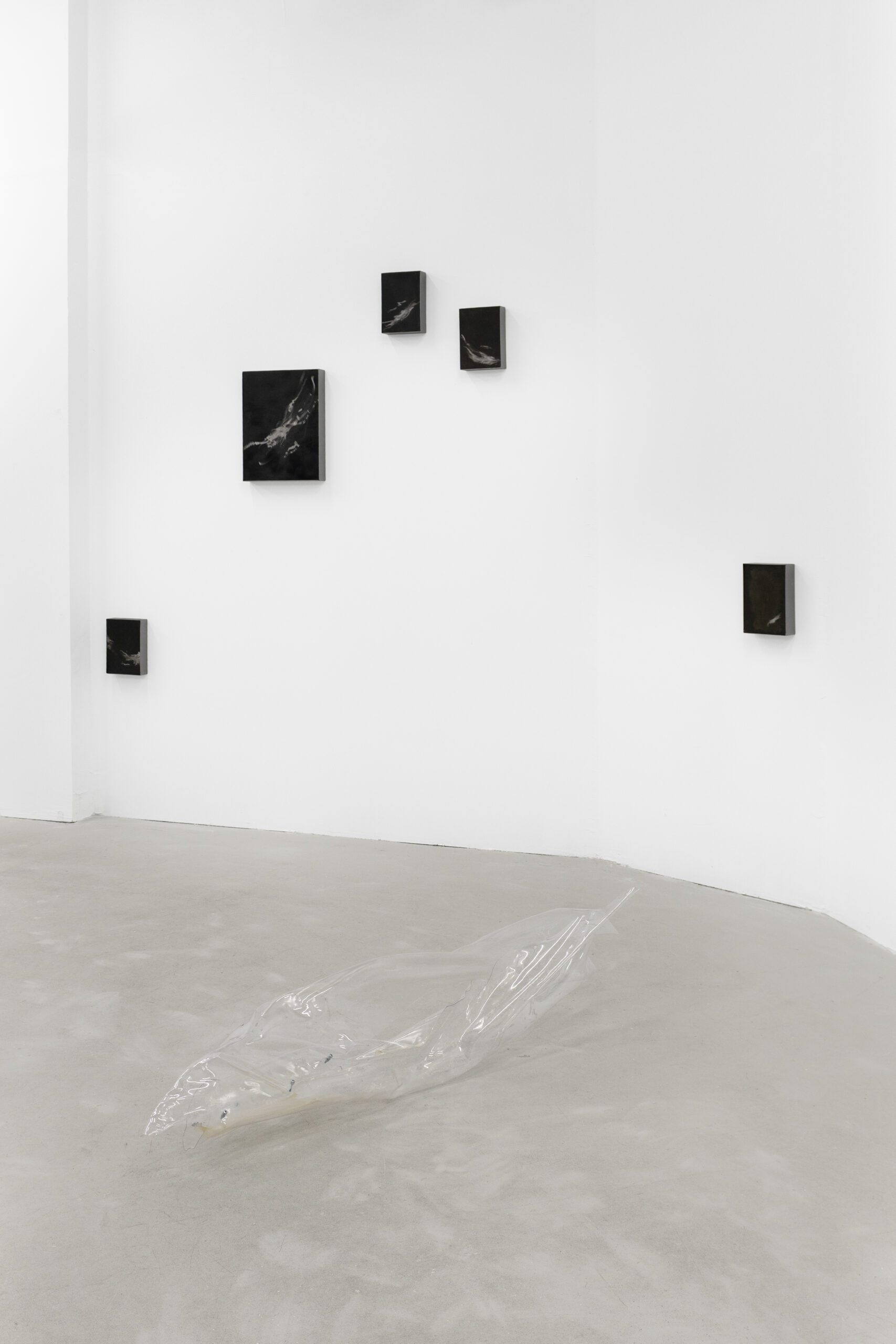
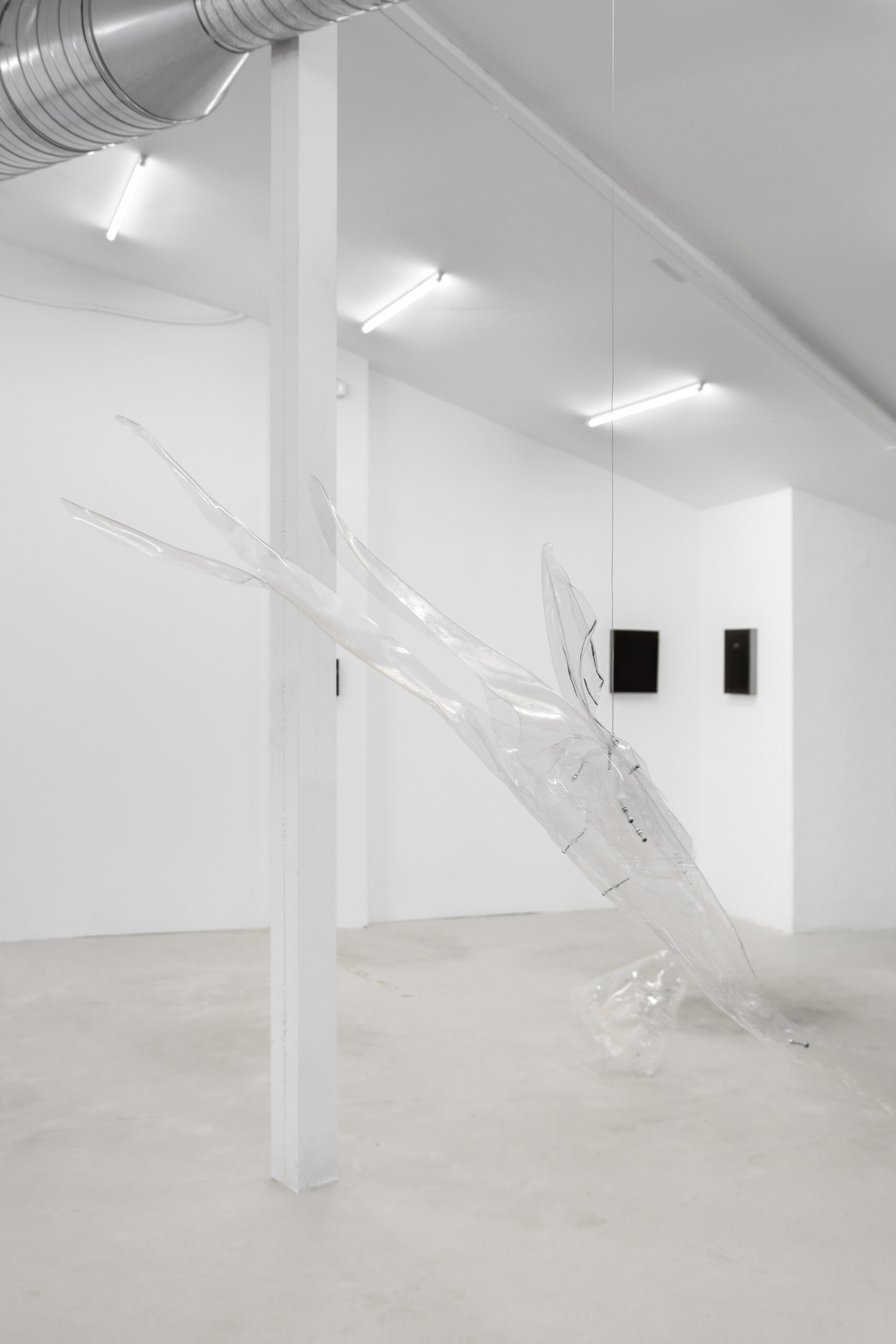
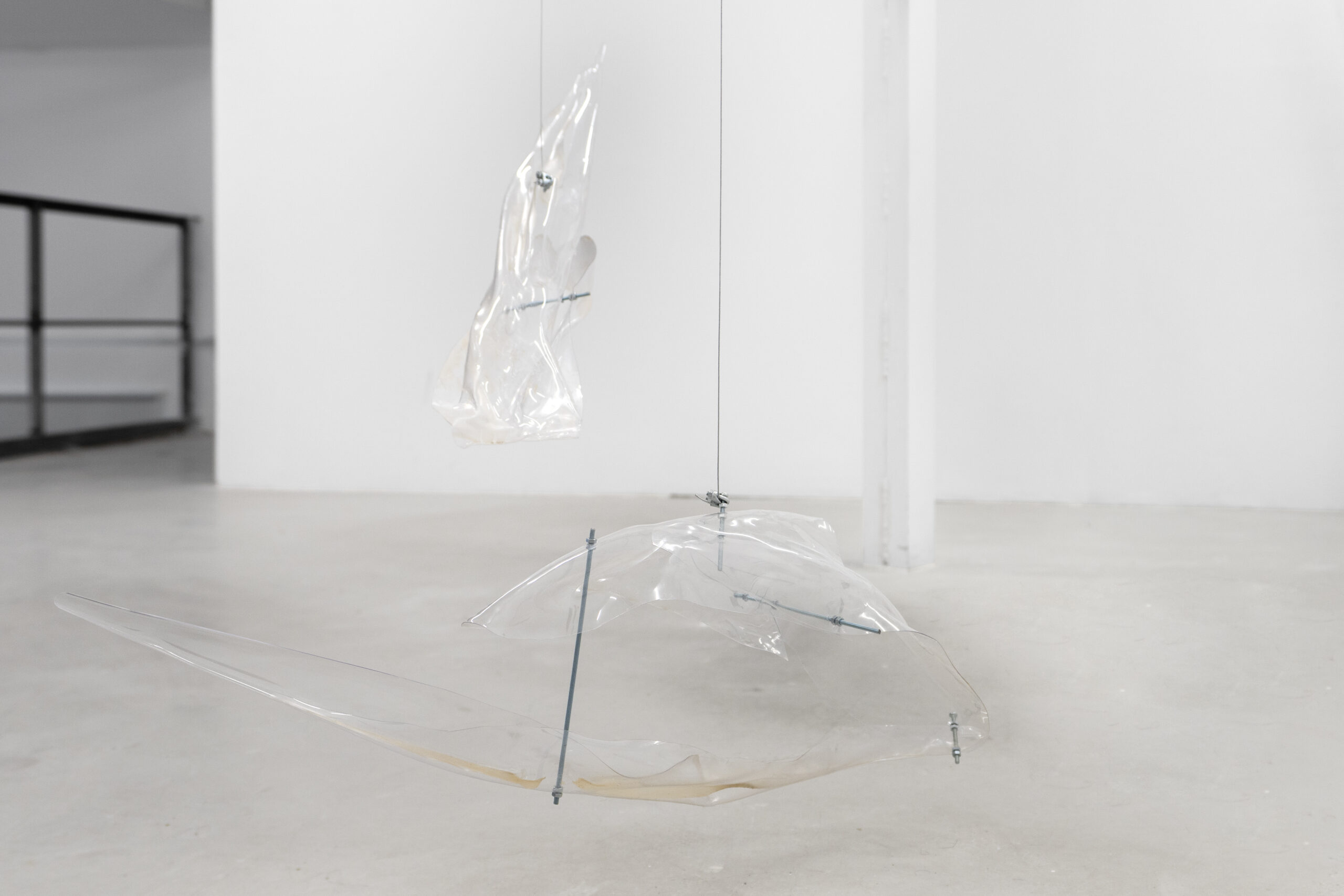
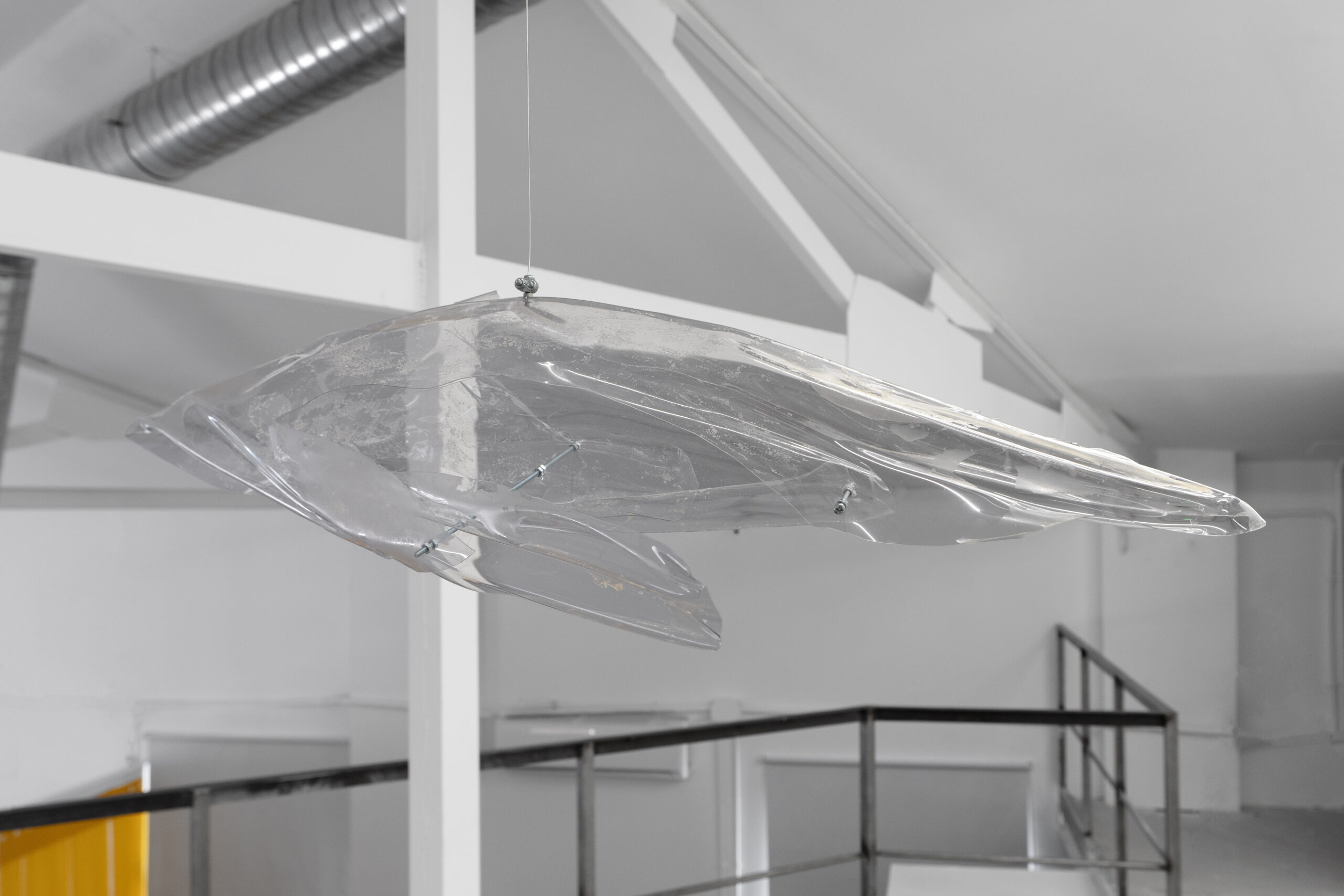
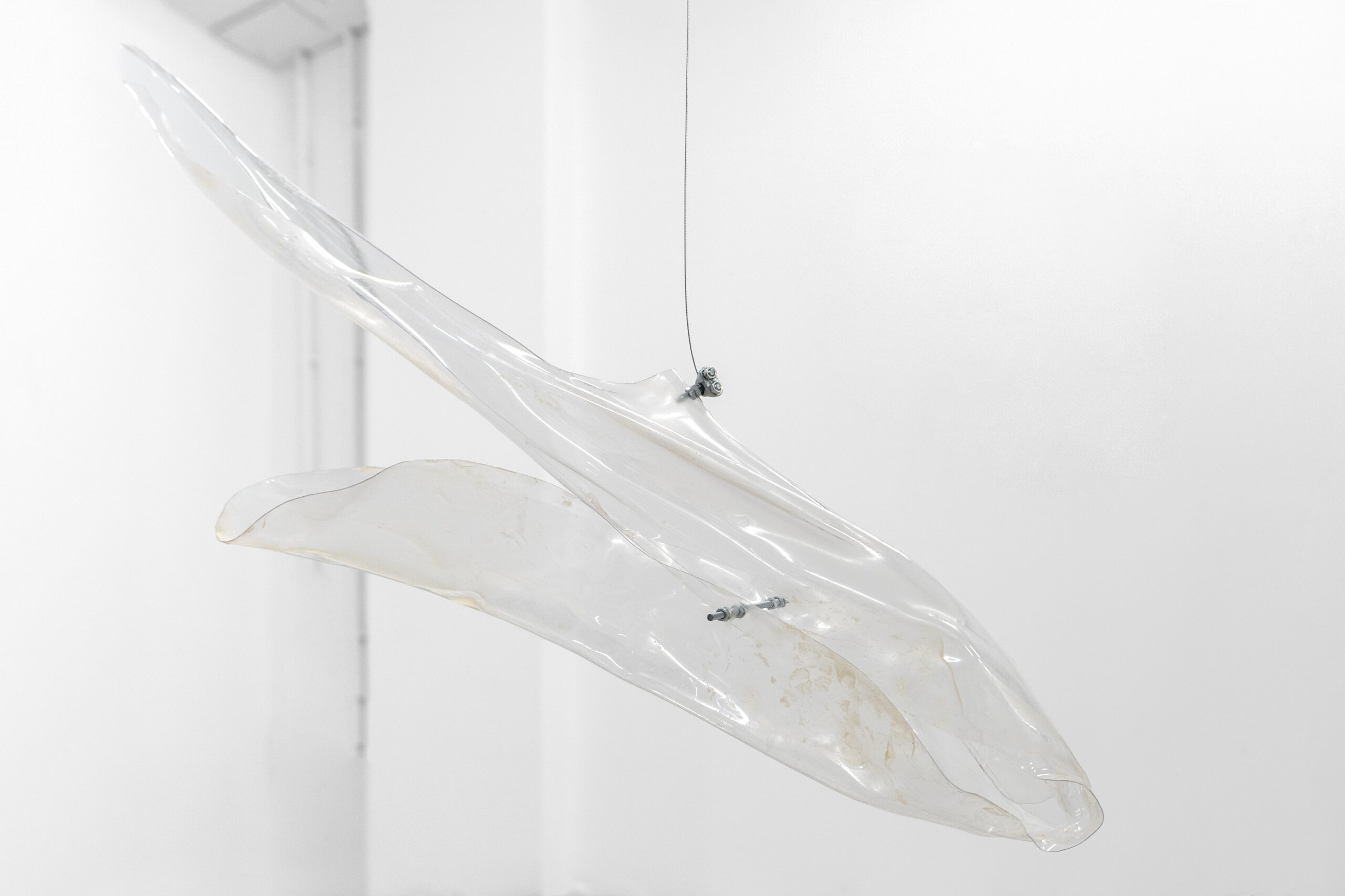
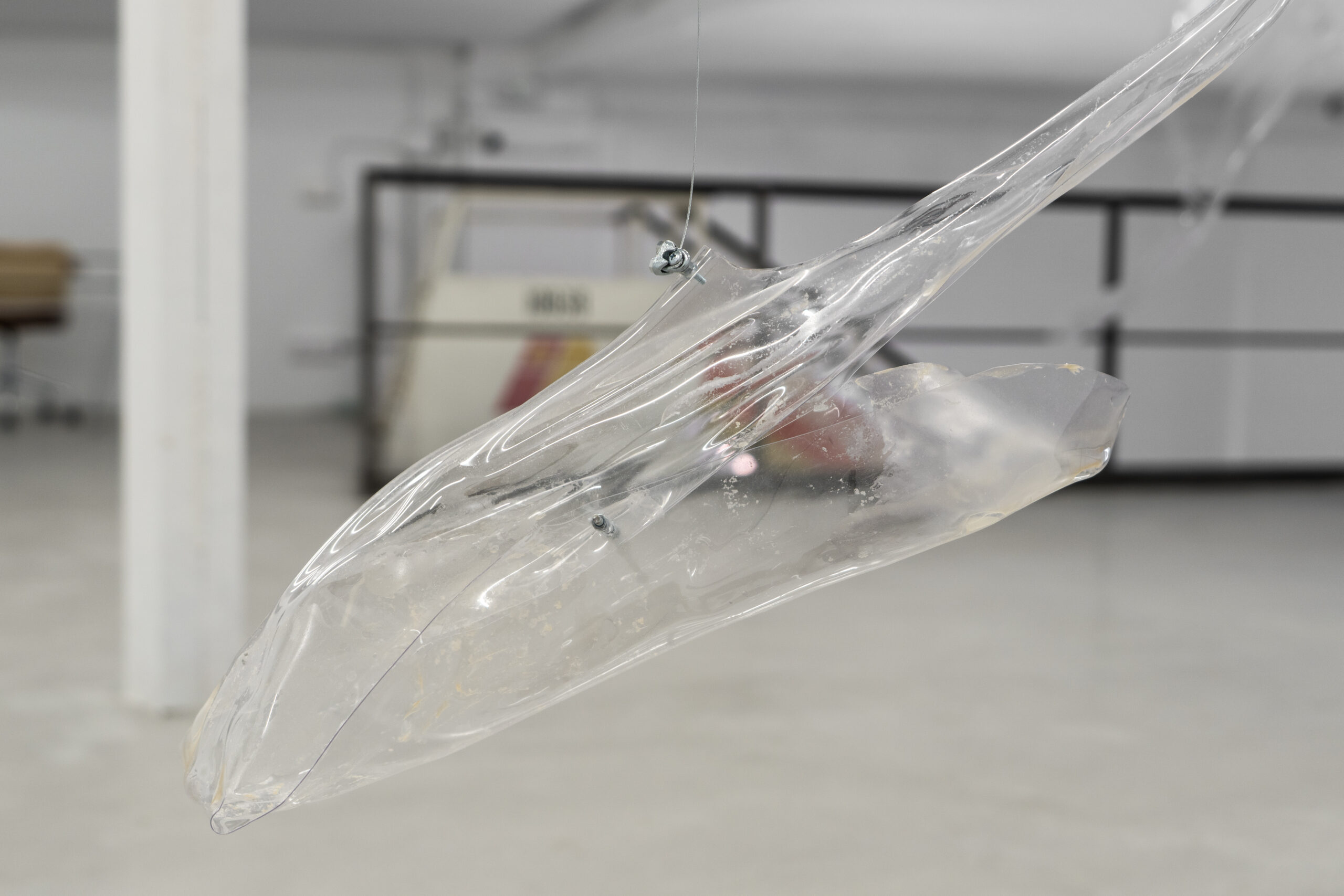
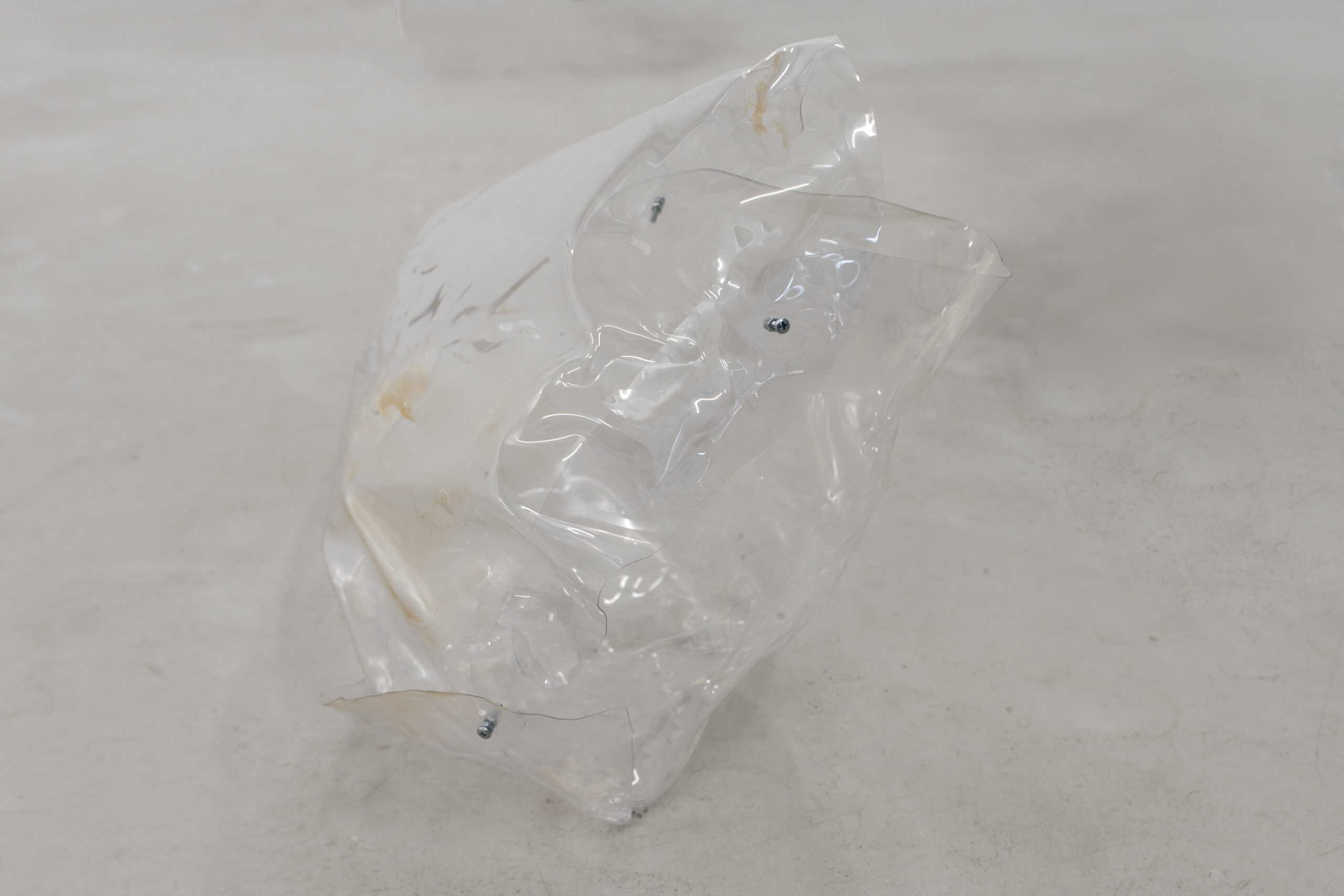
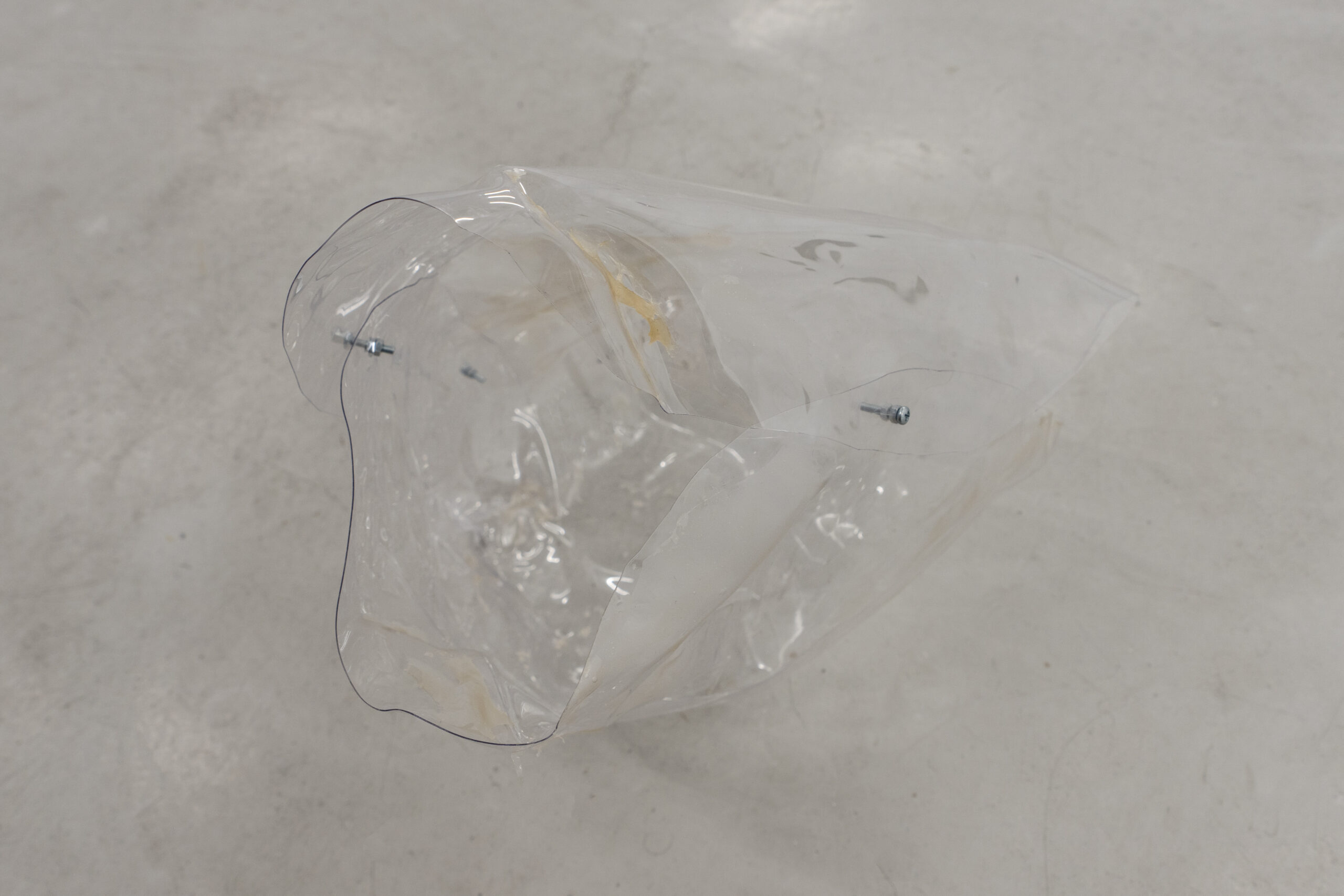
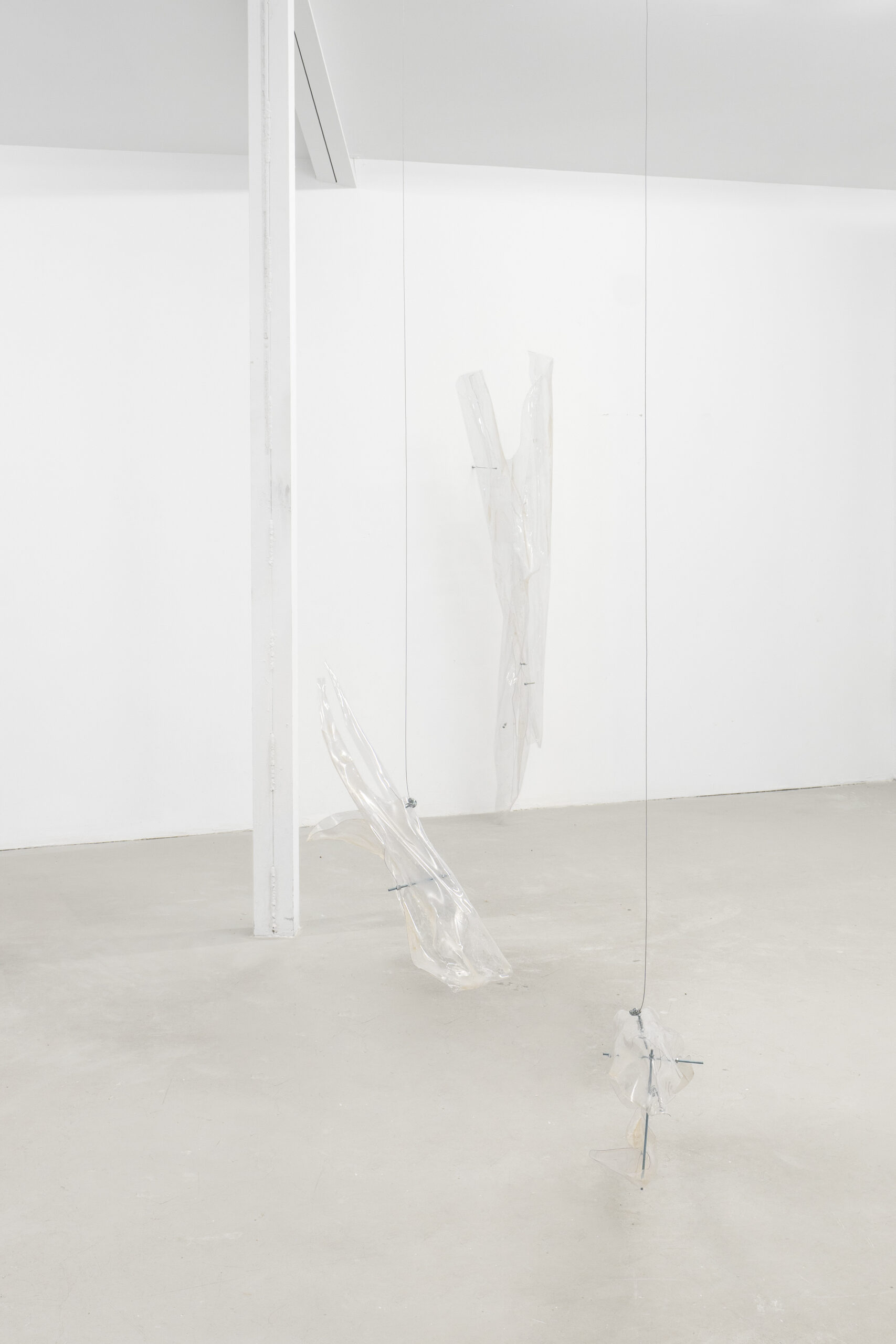
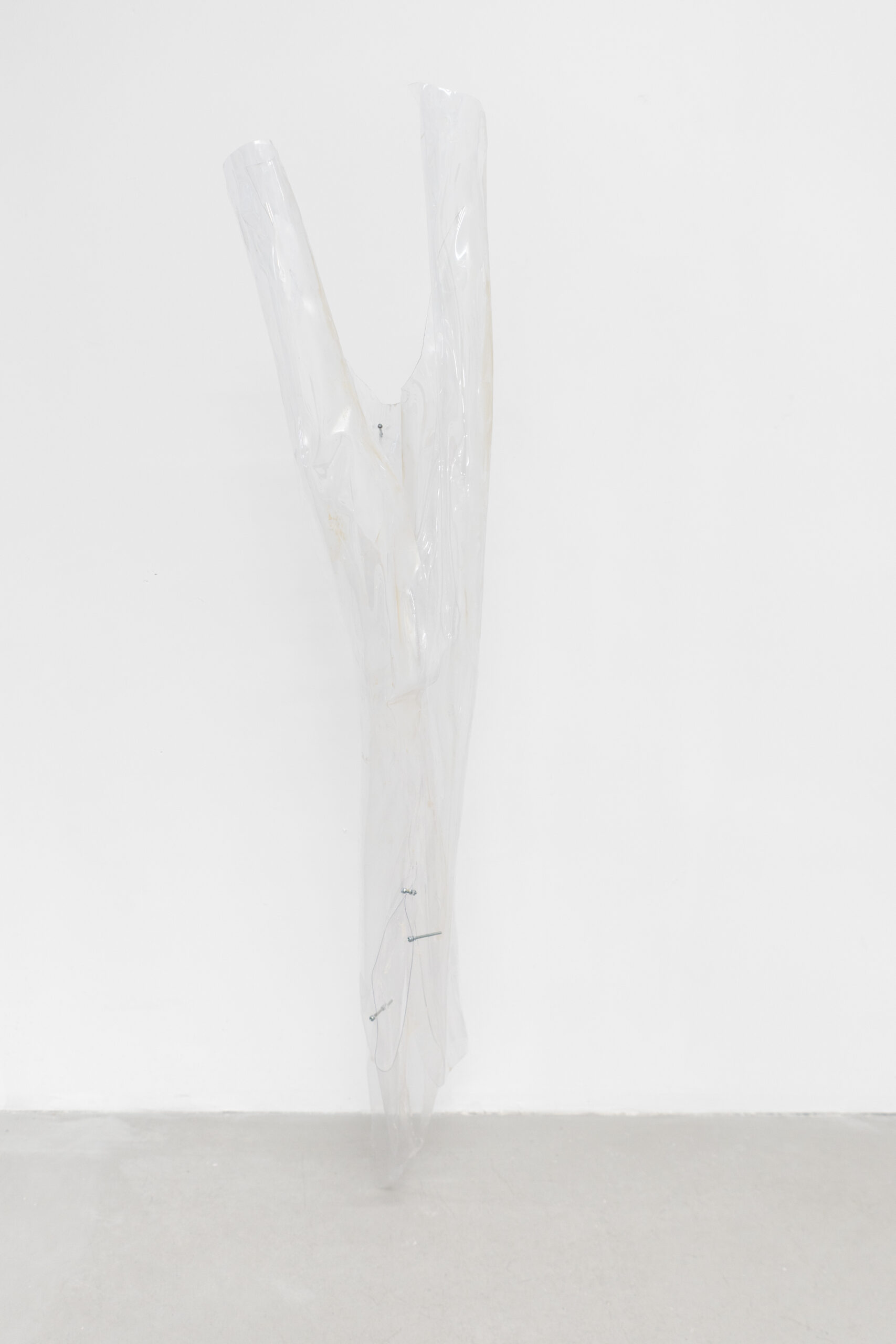
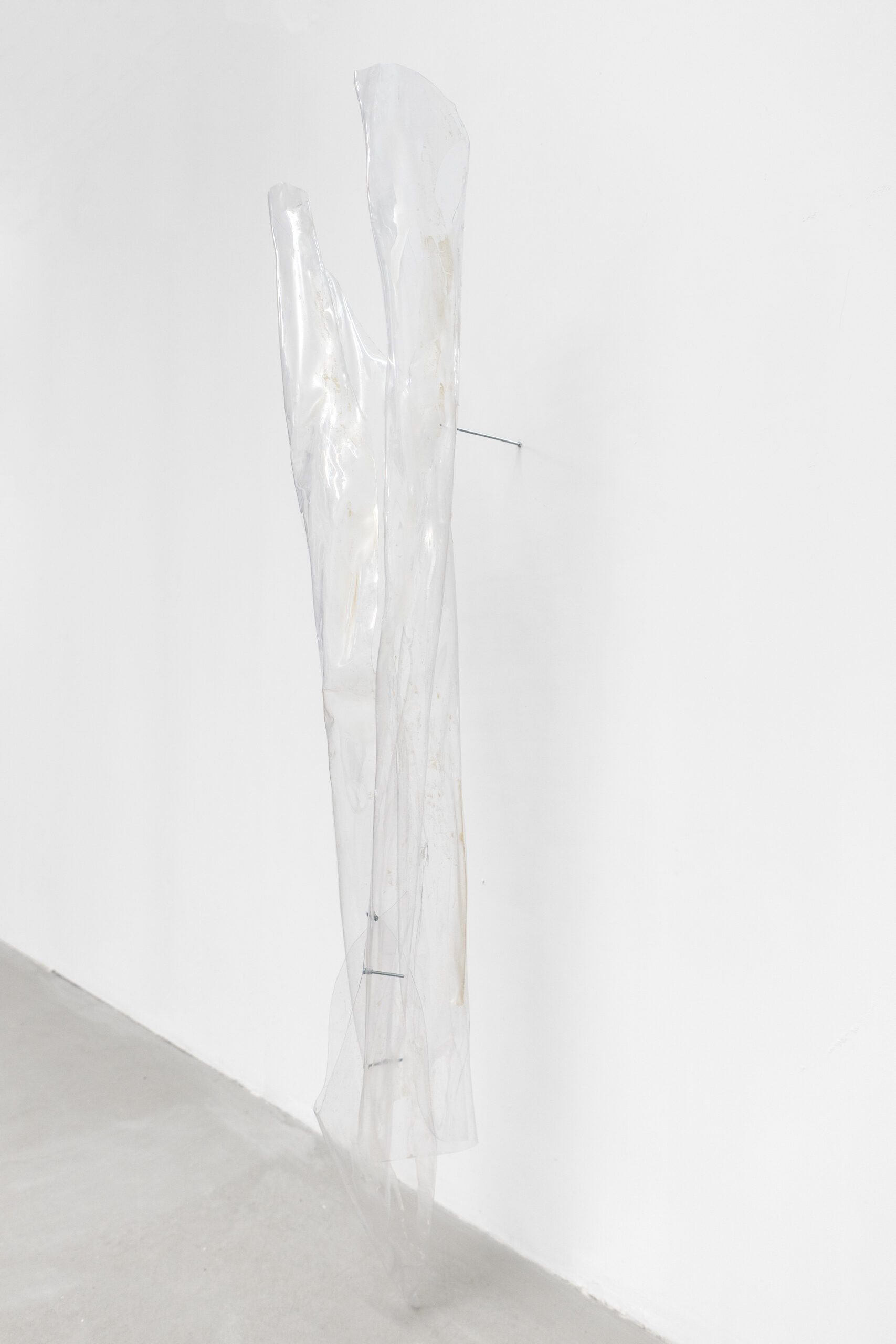
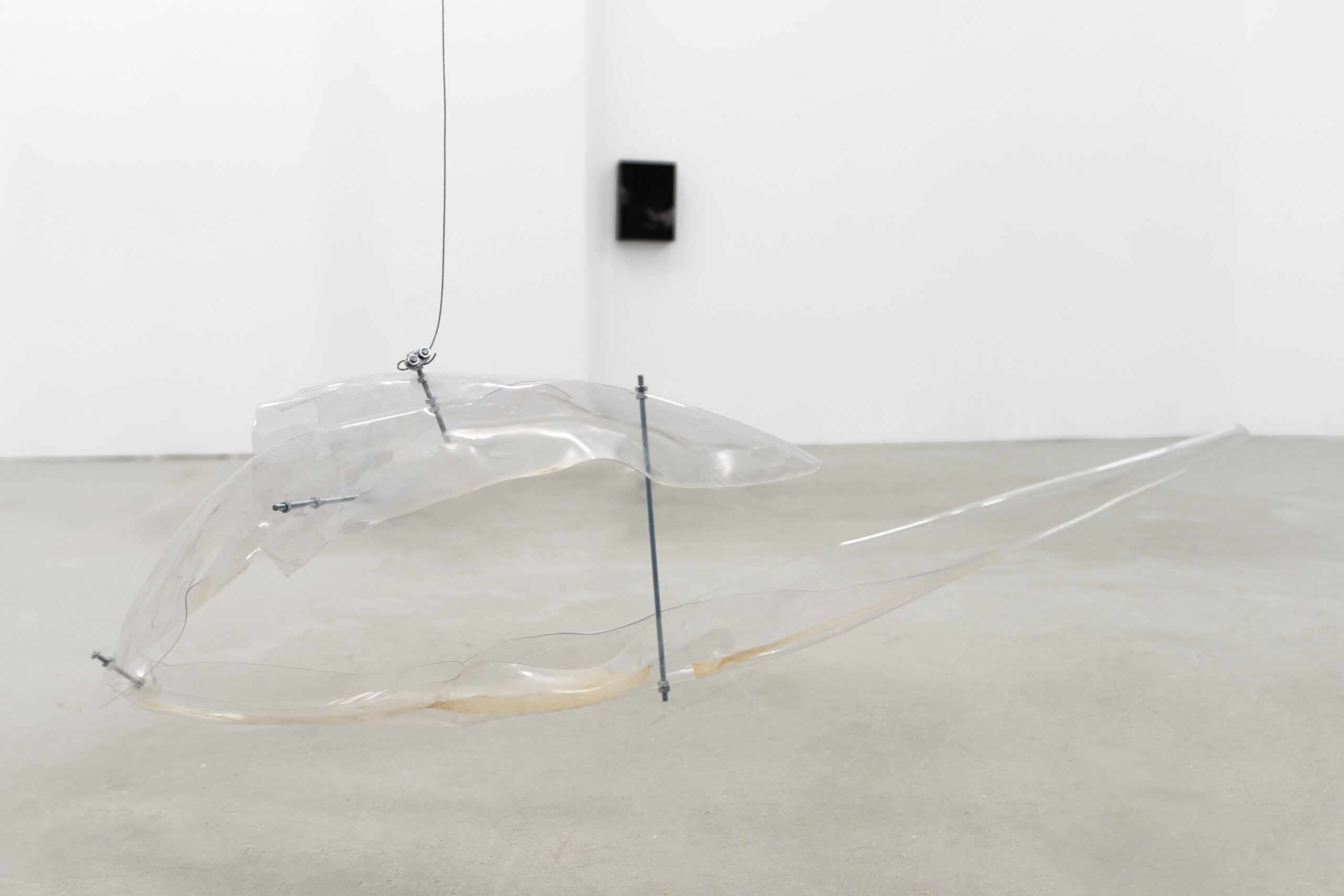
Working with matter—as, for instance, in a sculpture understood through the agency of the materials themselves—consists precisely in this: being able to hold in balance the forward-looking vision that cuts across distance like an arrow with the close, even myopic gaze demanded by working with materials⁵.
¹ Mark Strand, “Keeping Things Whole,” Sleeping with One Eye Open, Iowa City, University of Iowa Press, 1964.
² Italo Calvino, Invisible Cities, trans. Aurora Bernárdez, Madrid, Siruela, 2025, p. 5.
³ Italo Calvino, Invisible Cities, trans. Aurora Bernárdez, Madrid, Siruela, 2025, p. 10.
⁴ Roberto Bolaño, Complete Stories, Barcelona, Debolsillo, 2019, p. 19.
⁵ Tim Ingold, Making: Anthropology, Archaeology, Art and Architecture, London, Routledge, 2013, p. 72.