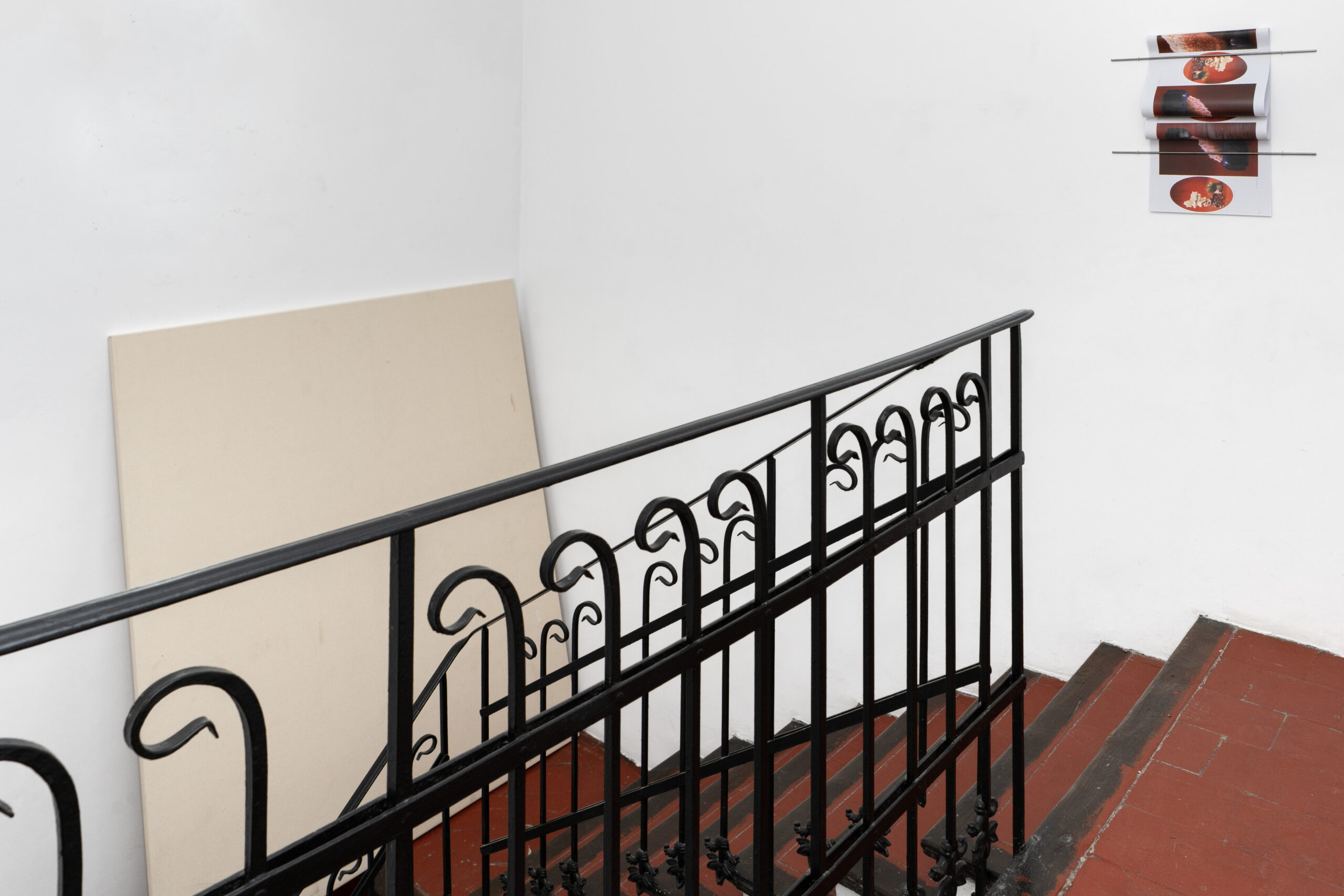
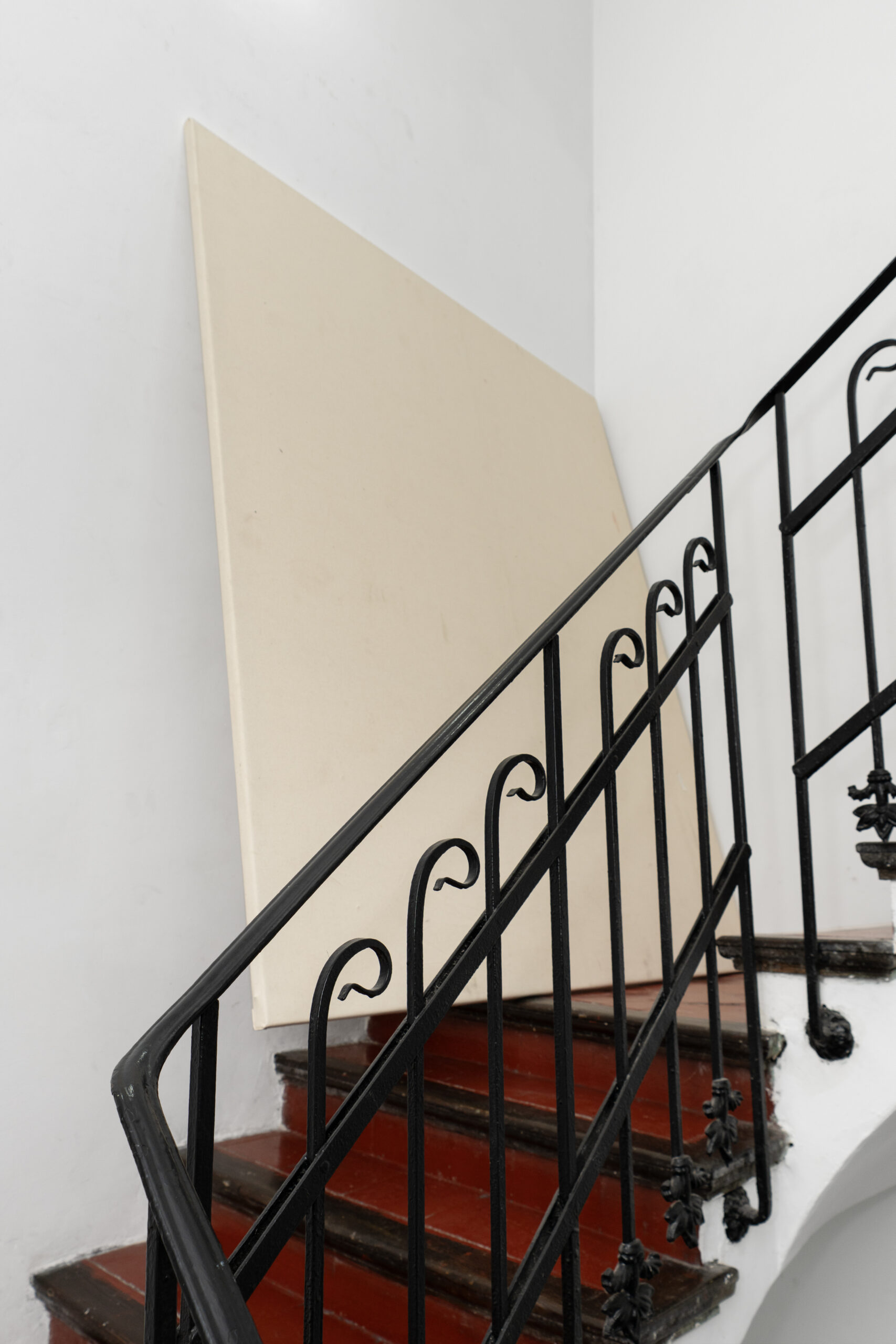
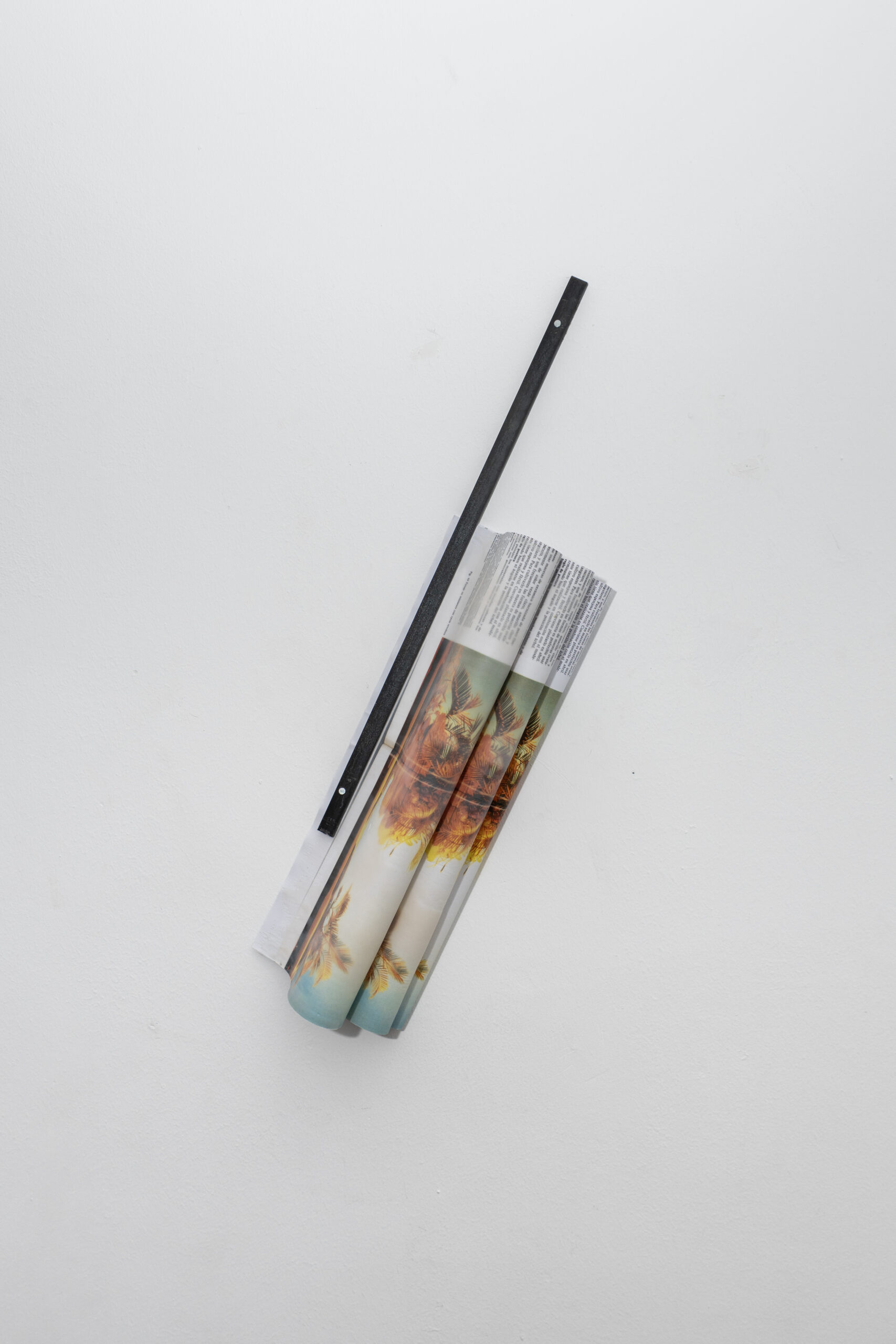
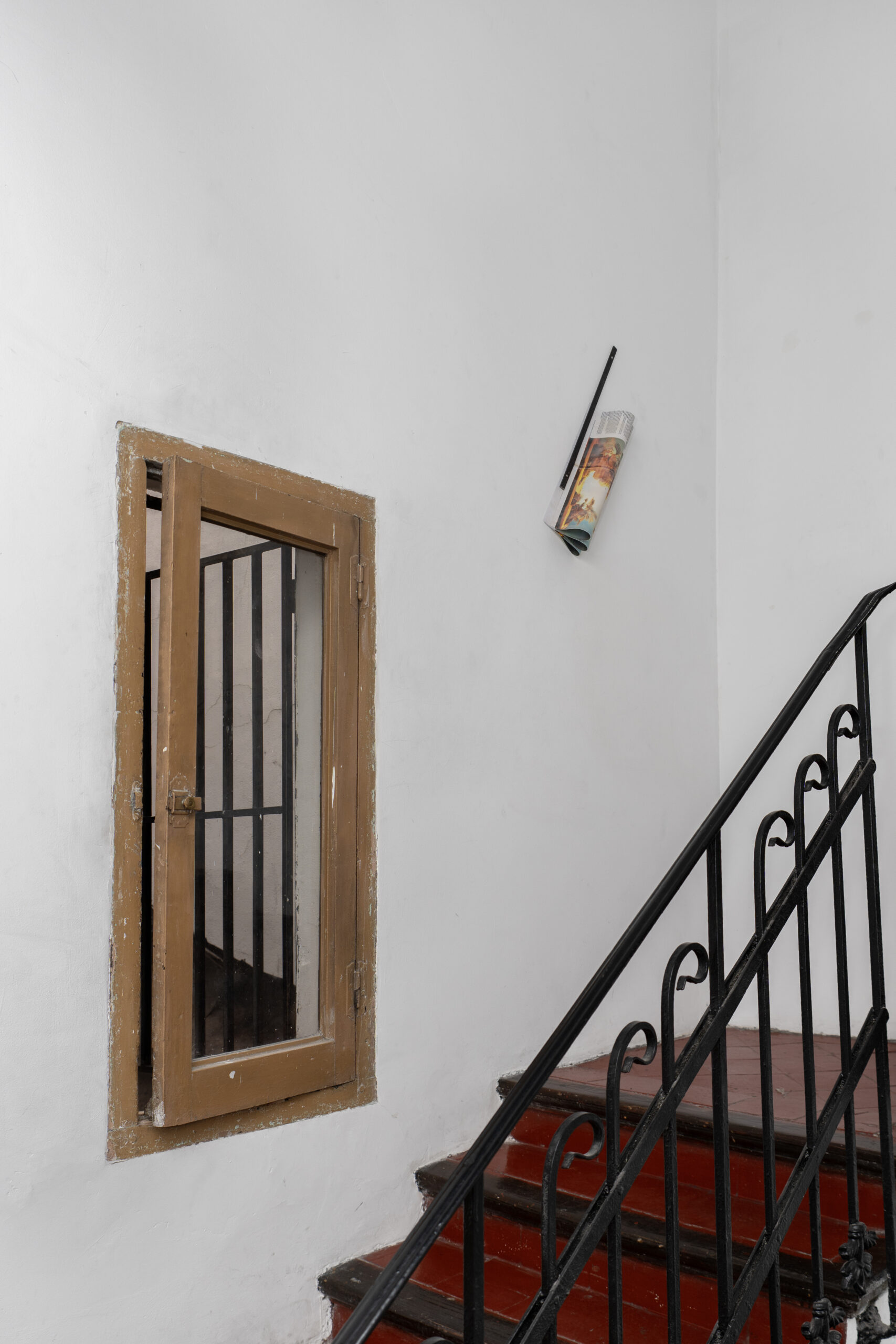
For Bloch, hope is understood as an act directed toward what is not yet, toward that which has not yet arrived (Noch-Nicht-Sein), and which is responsible for orienting us toward what is to come—literally, toward the future. I wonder whether everything we do implicitly carries a tone of hope, such that we expect something to happen after any action; and at the same time, I find it curious to see myself wondering whether hope exists at all in an era in which thought has discarded any possibility of transcendence.
Perhaps the closest we come to conceiving hope is through a praise of waiting. These two words, waiting and hope, share a passive outlook on reality—perhaps more disguised in one than in the other—but in both there is an essential component of remaining expectant for whatever time may provide. Waiting is also a method, a way of doing capable of guiding action, although, like hope, does it have an end? Is there an exact moment when waiting comes to an end, or is it nothing more than a deliberate pause along the way? Could it have been prolonged? It is often difficult to know when things have reached completion. It is almost always a matter of intentions or perspective: what for some has ended, for others has only just begun. I think, for example, of architecture and the ideals of finitude and function that are traditionally—and quite mistakenly—associated with it: a Roman arch would always be a Roman arch were it not for the fact that it has come to be preserved. Its vital extension now passes through the category of monument, and in order to continue existing it must shed everything it once was. Monuments in general, in any European city, tend to be anything but what they originally were: sometimes roundabouts, sometimes postcard images, meeting points for free tours, backdrops for Christmas lights, and so on. In this reorganizing process of things, the only thing that has been required is to wait.
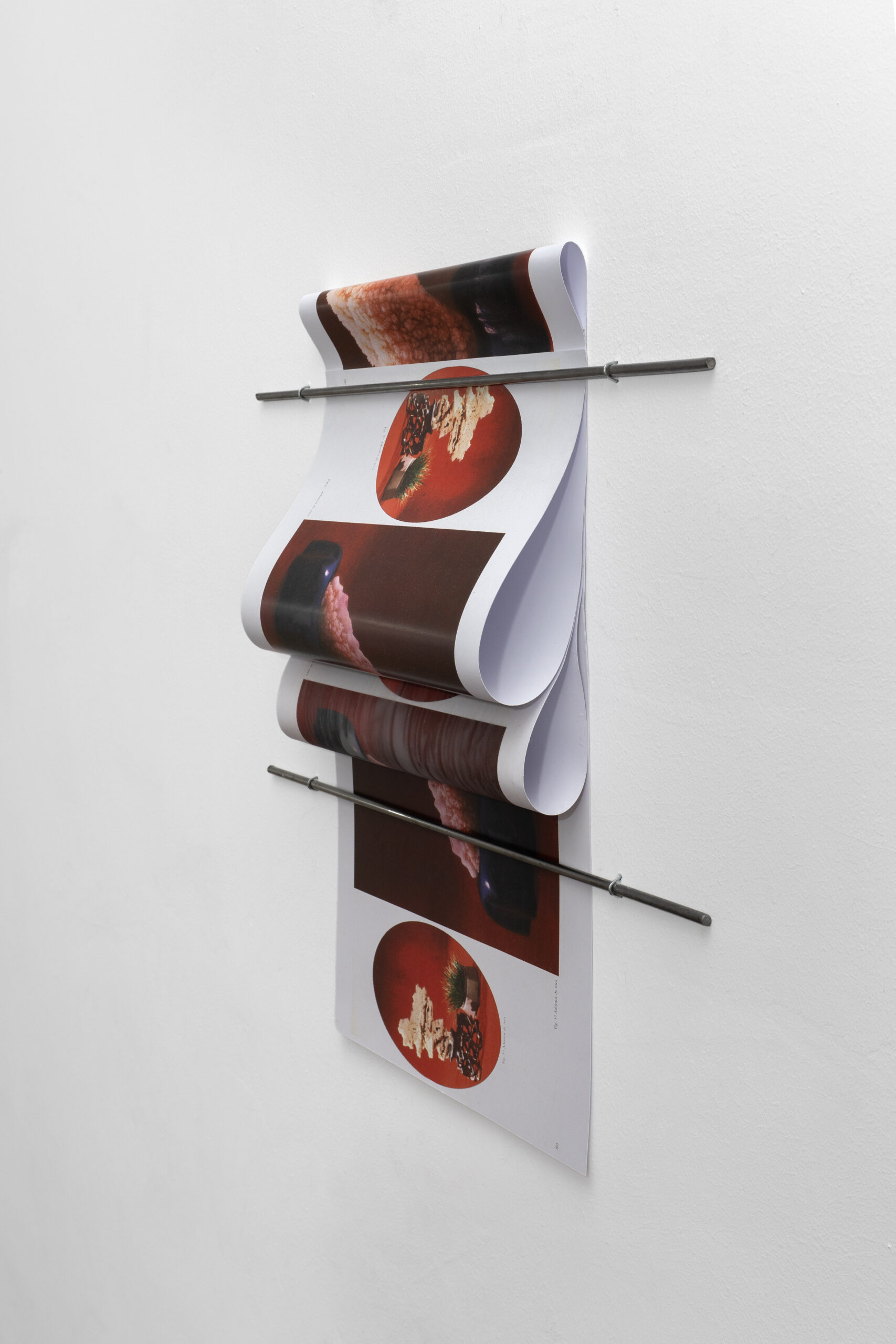
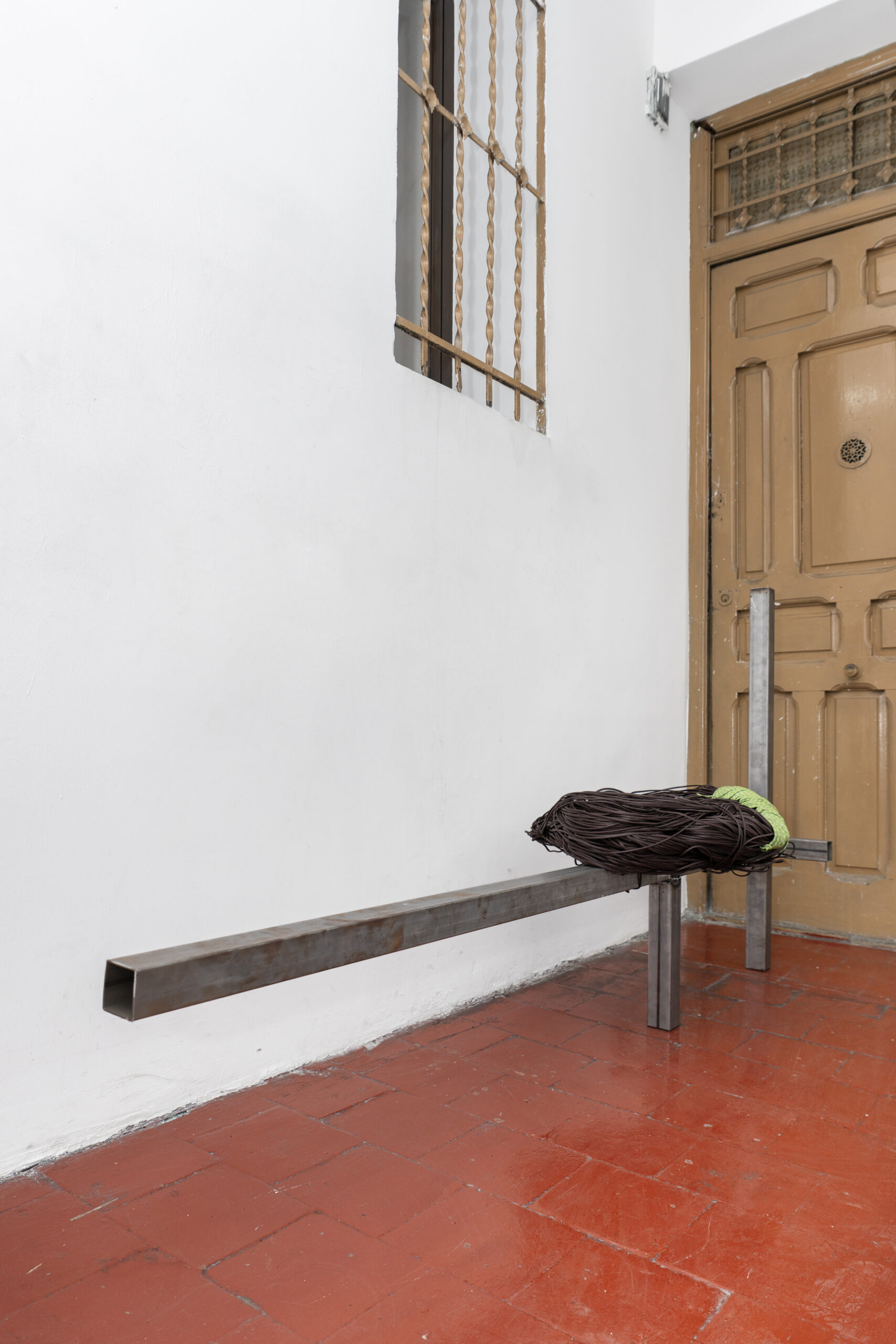
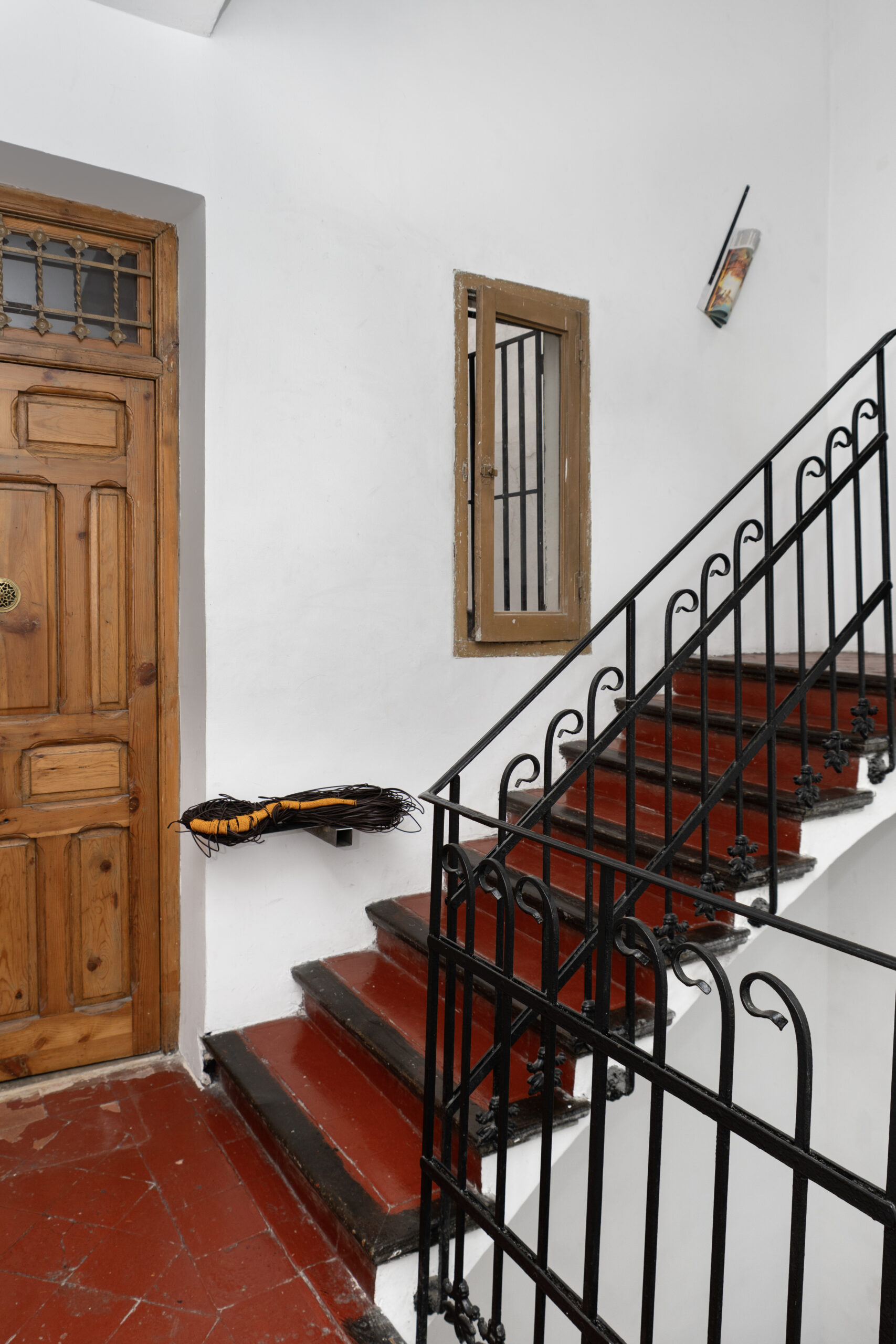
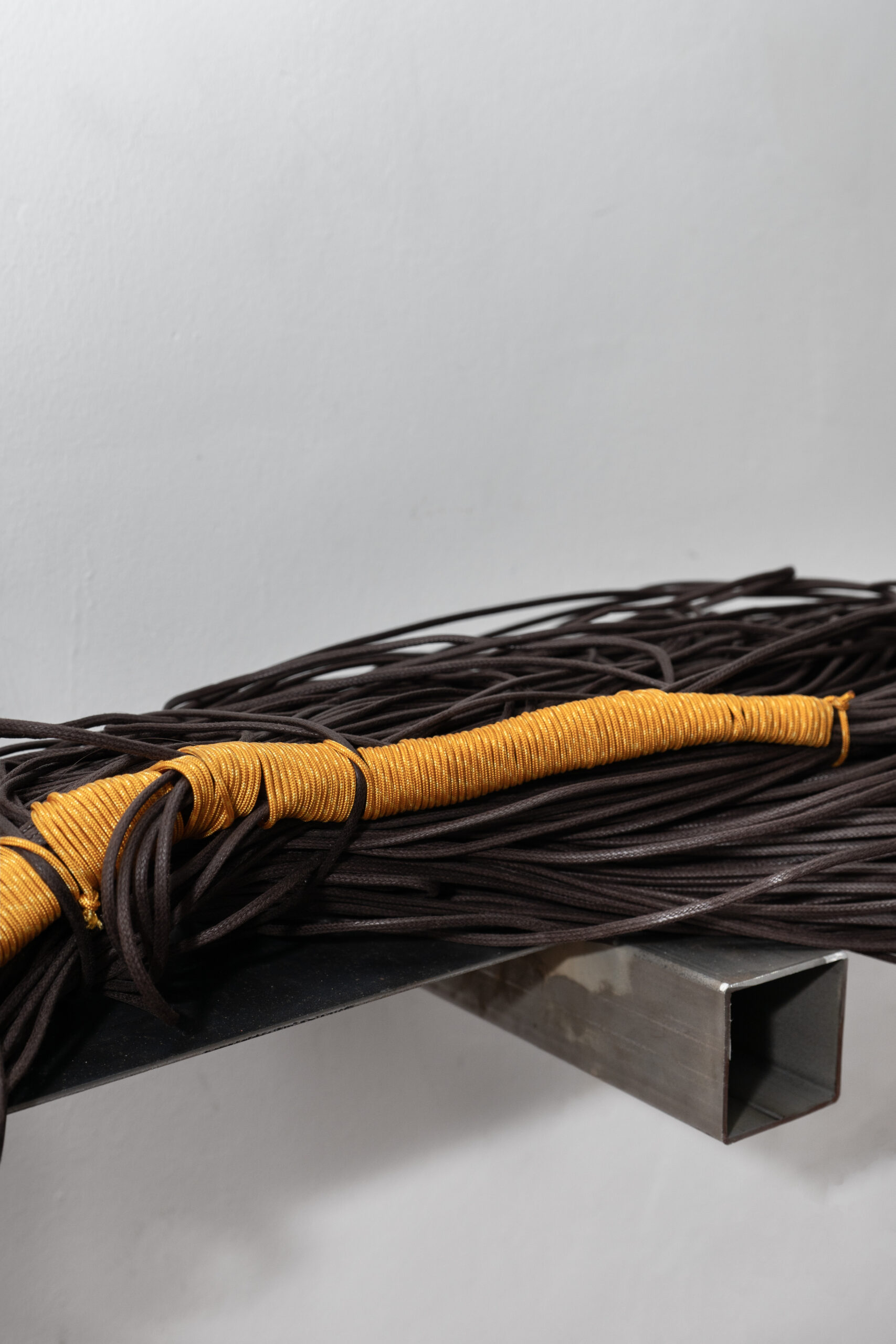
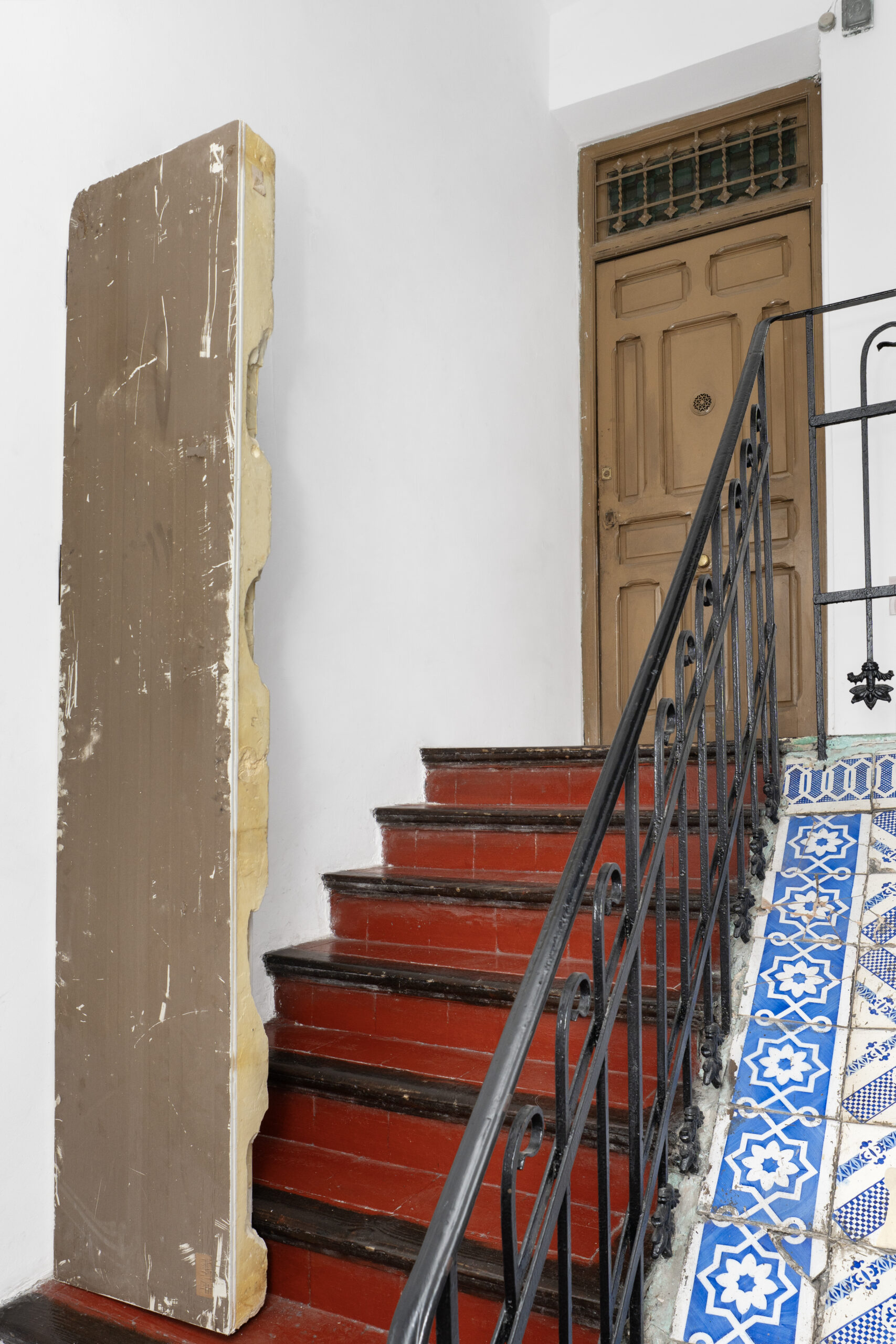
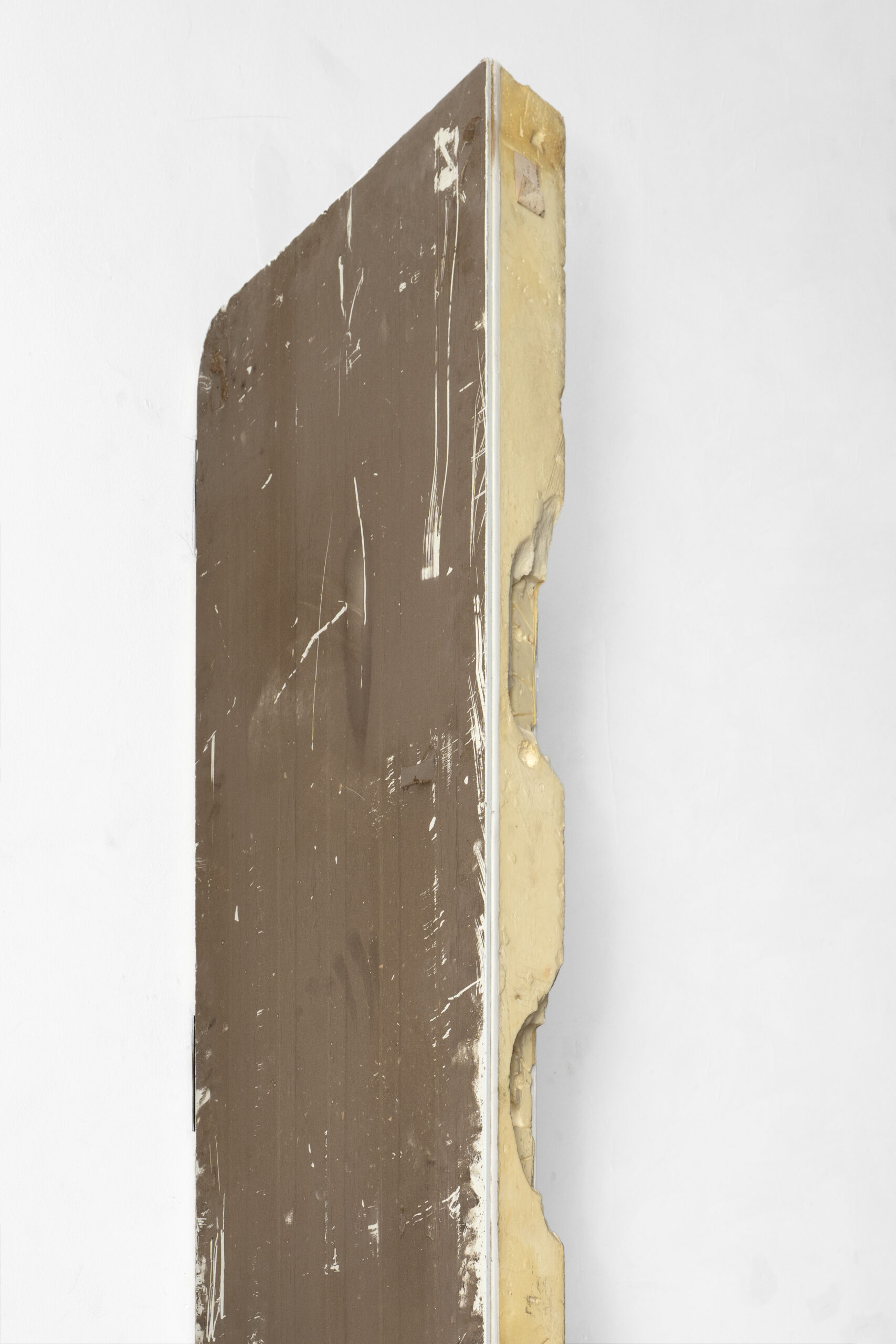
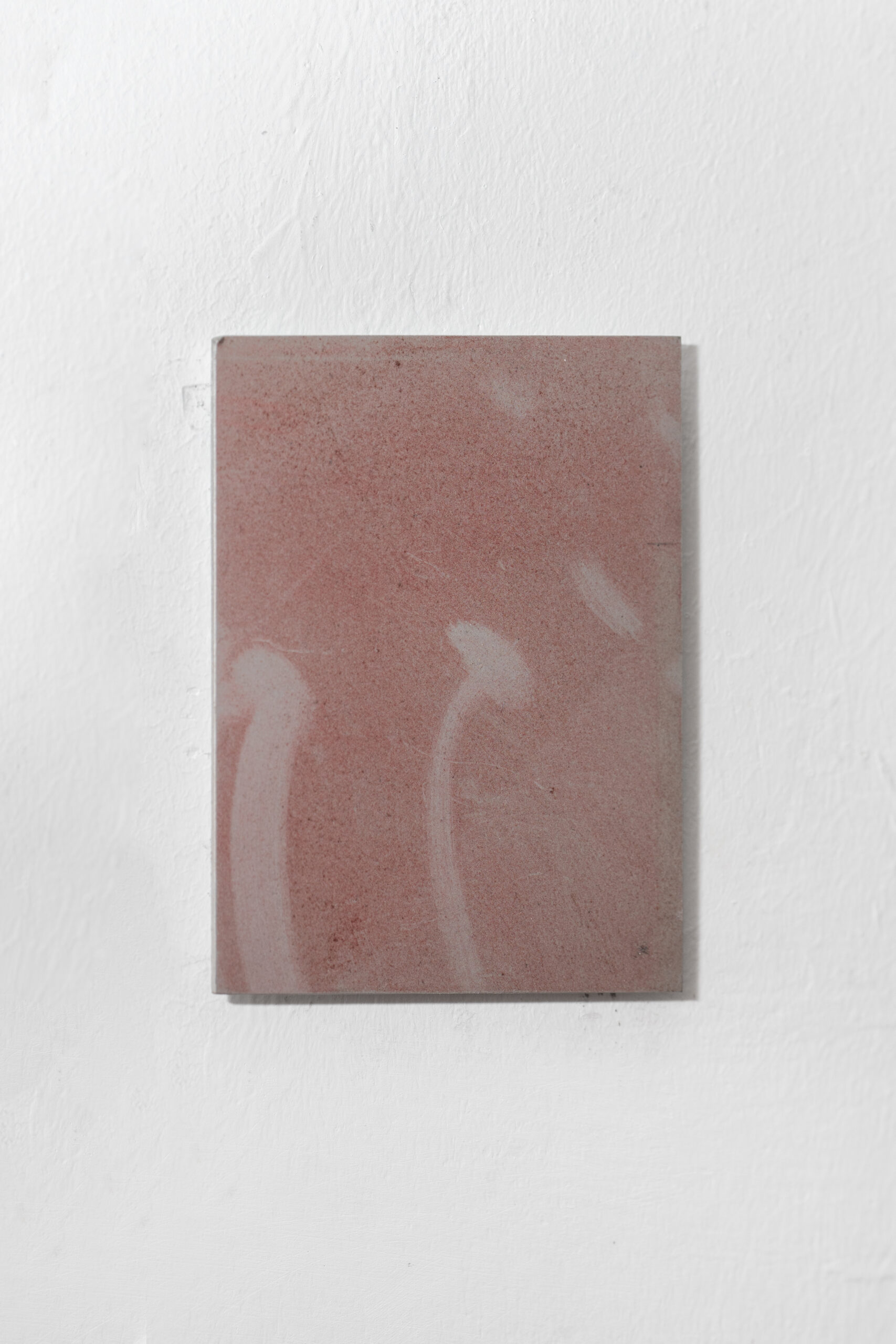
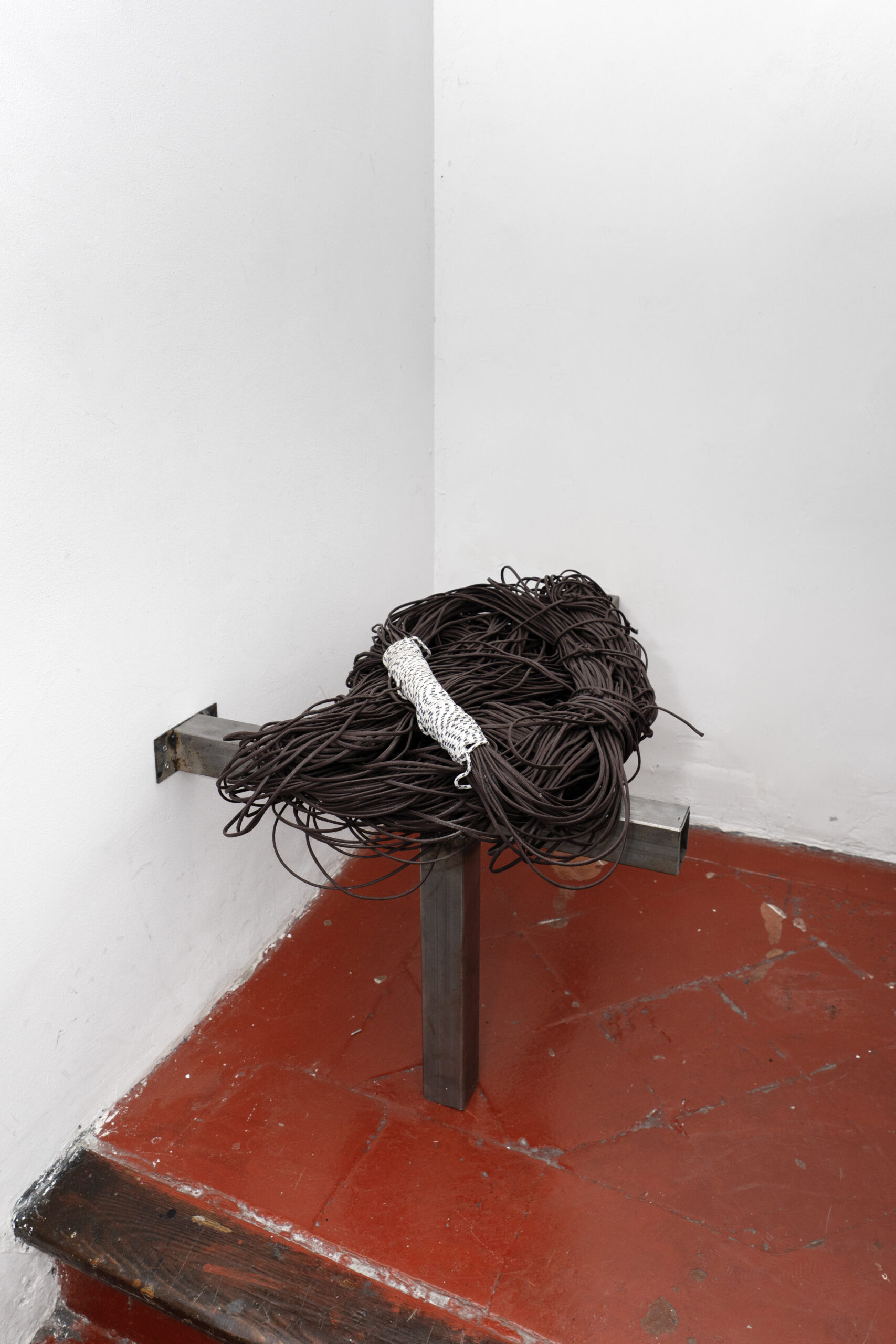
And When I Arrive is a meditation on waiting as a way of doing and an exploration of the limitations of what is already given to us as technique in order to open new paths. The exhibition is conceived as a reaffirmation of the way matter makes itself, as a process in which practice is articulated through the expectation of the maker and the material’s own agency. The work of Mikel Adán Tolosa, Helena Ripoll, and Marc Salas Armengol is structured around the dialogue between what is contingent and what is permanent in matter; they investigate the denaturalization of the material itself by employing processes and agencies that would not, a priori, seem inherent to it, and they incorporate perspectives that avoid other, more accommodated representations of materials.
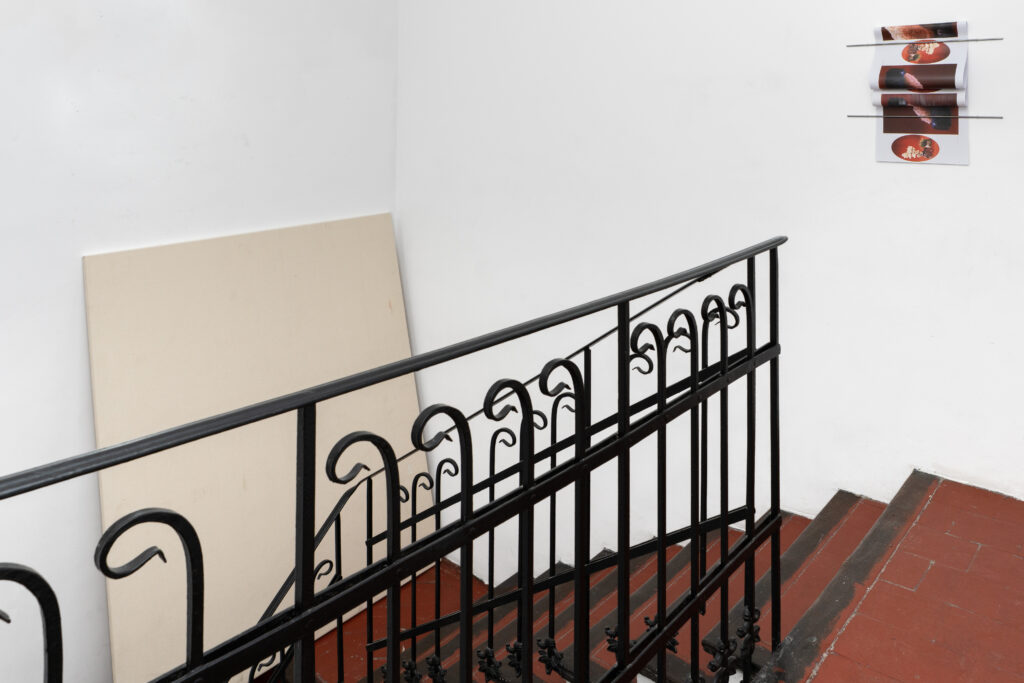
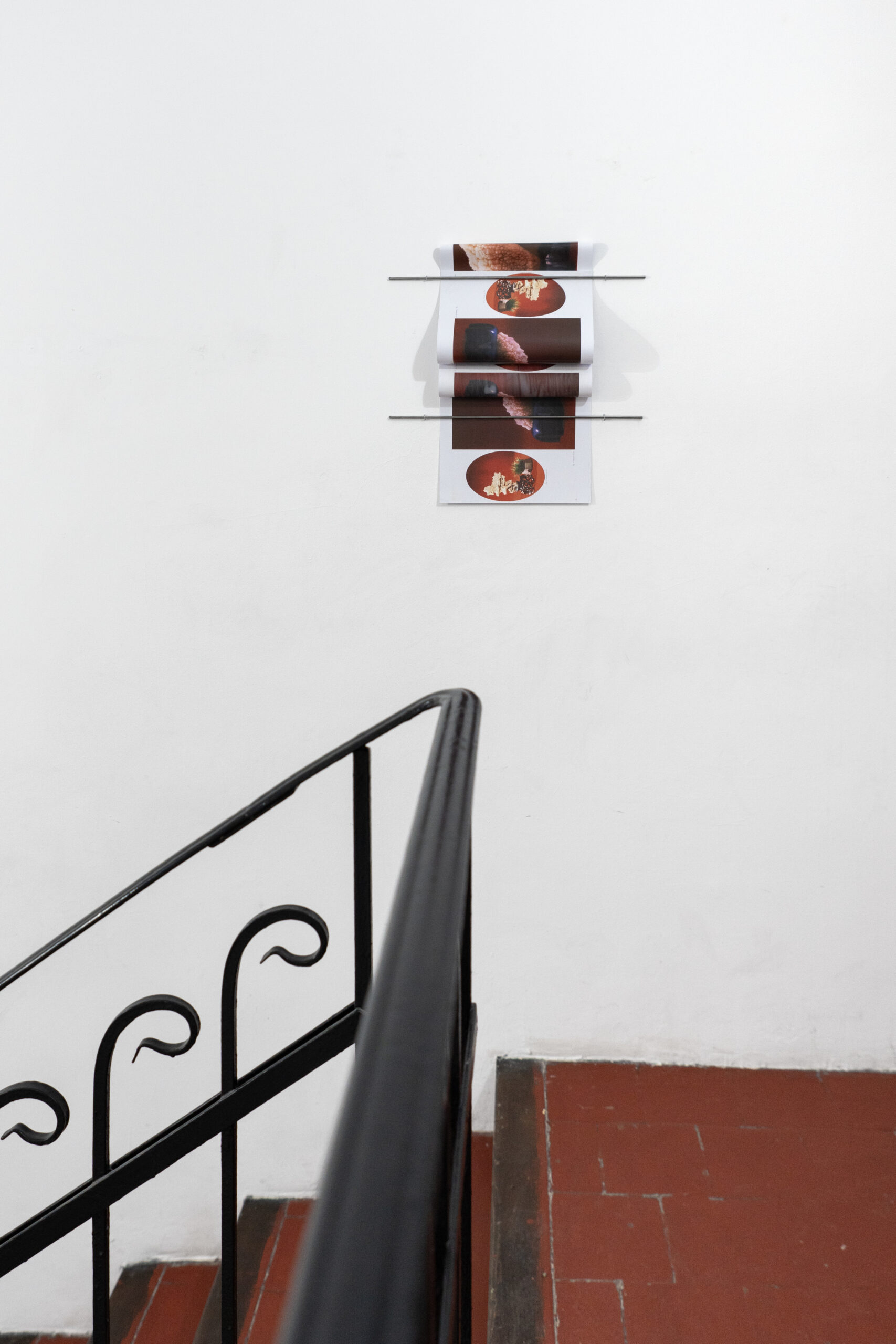
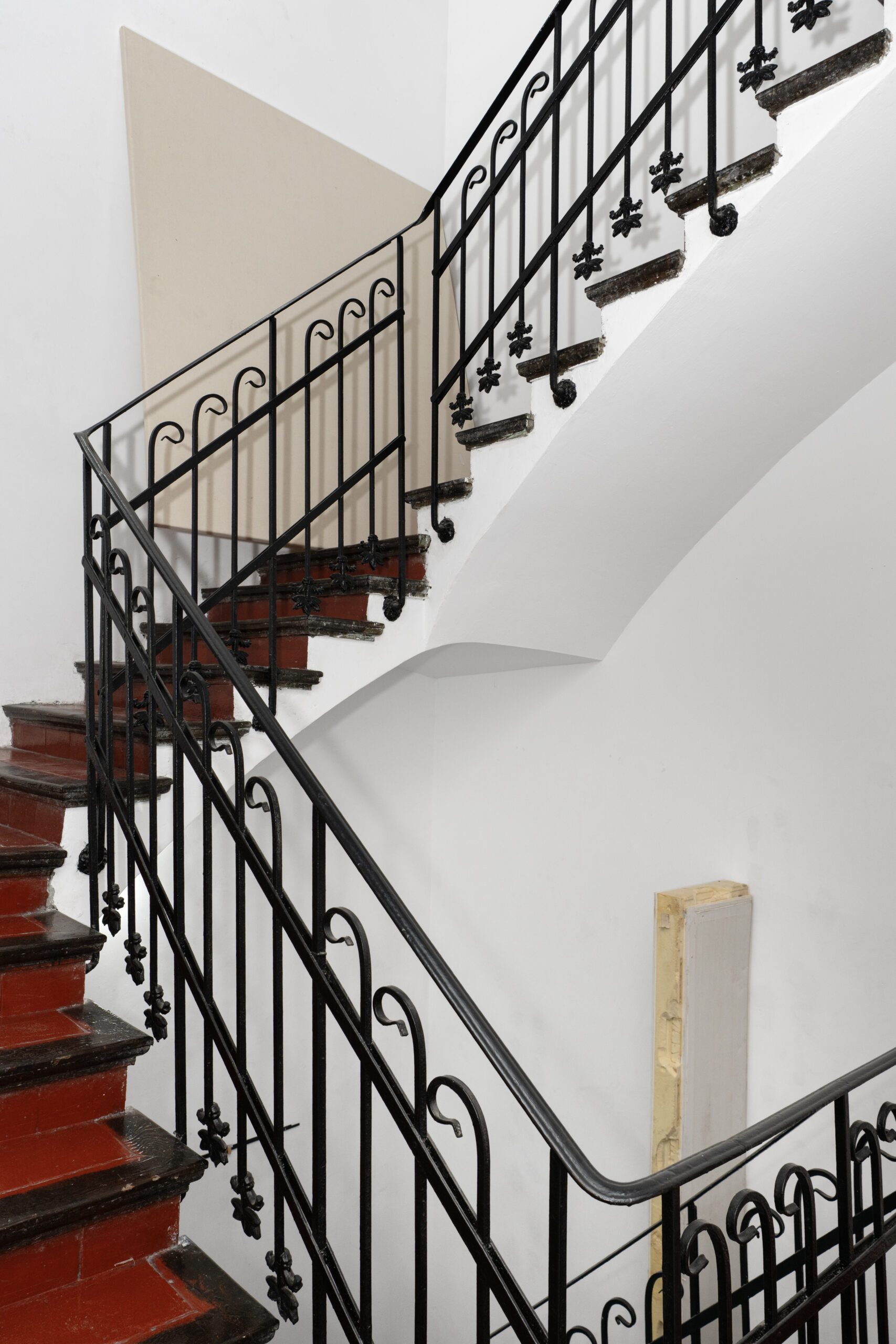
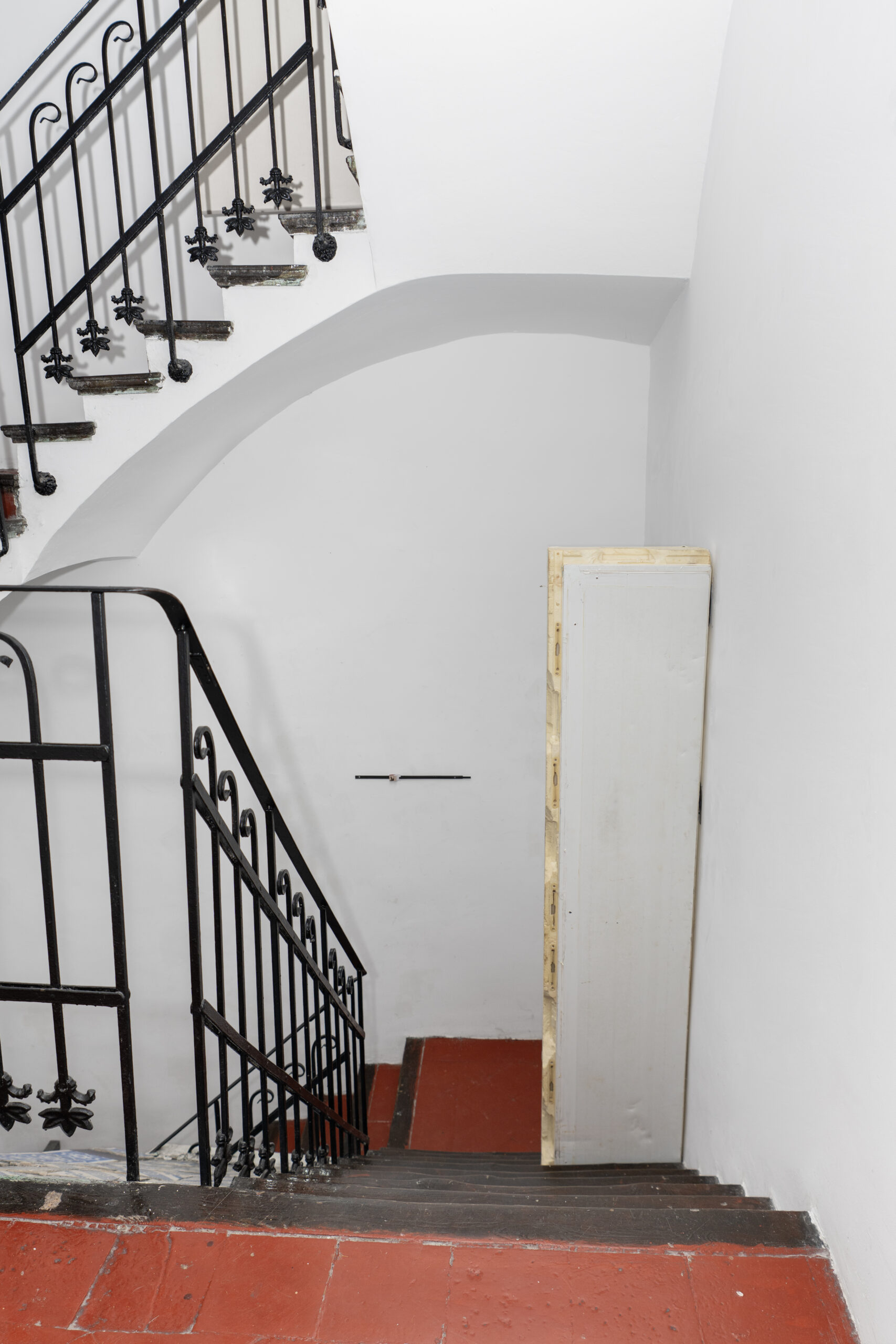
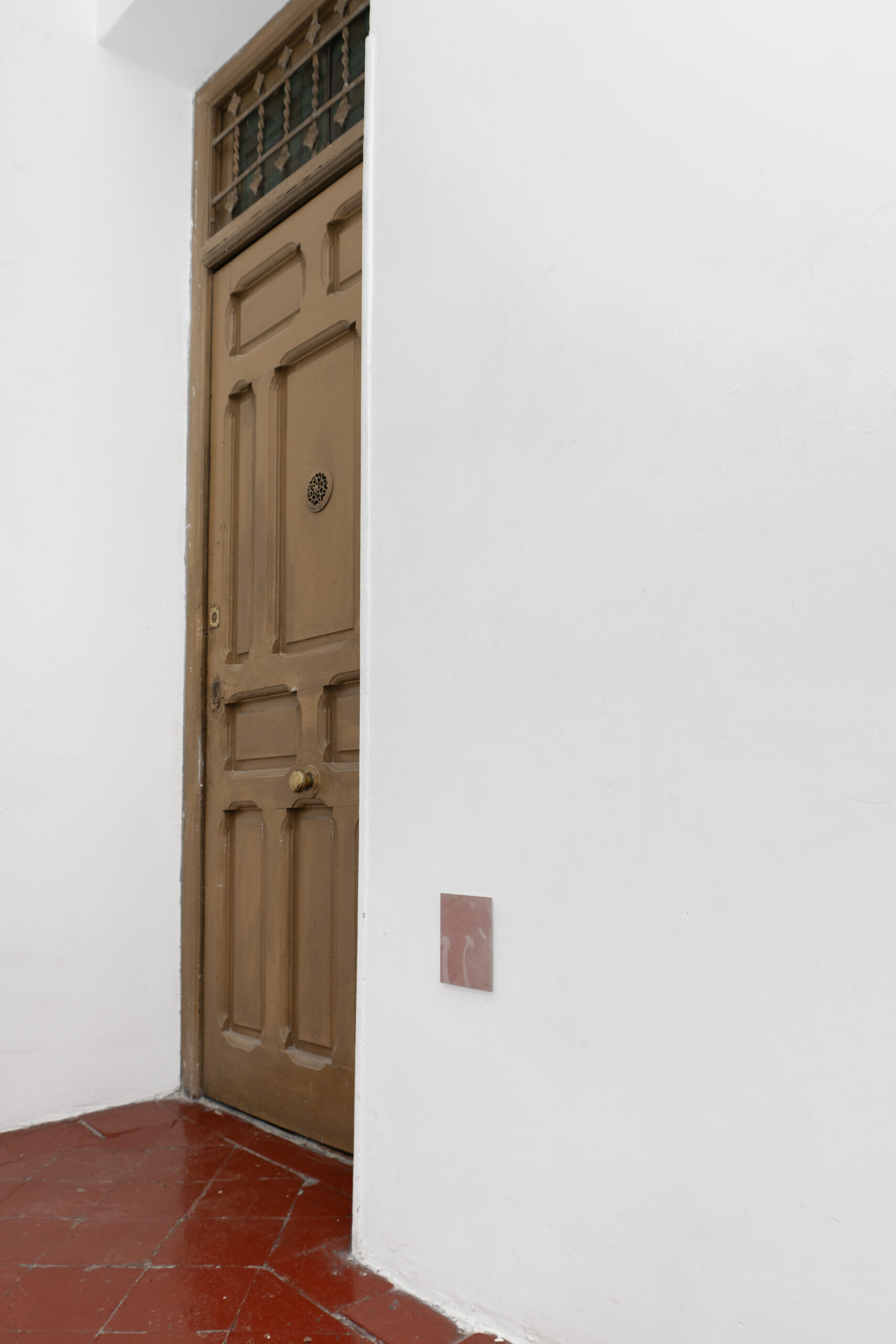
And When I Arrive aims to become a pause along the path that one reaches only after having walked it. The journey proposes an alteration of space through an arrangement that compels the viewer to stop and reorient themselves, deepening the sensation of a path and confronting them with a series of encounters that invite them to reposition themselves on the staircase.