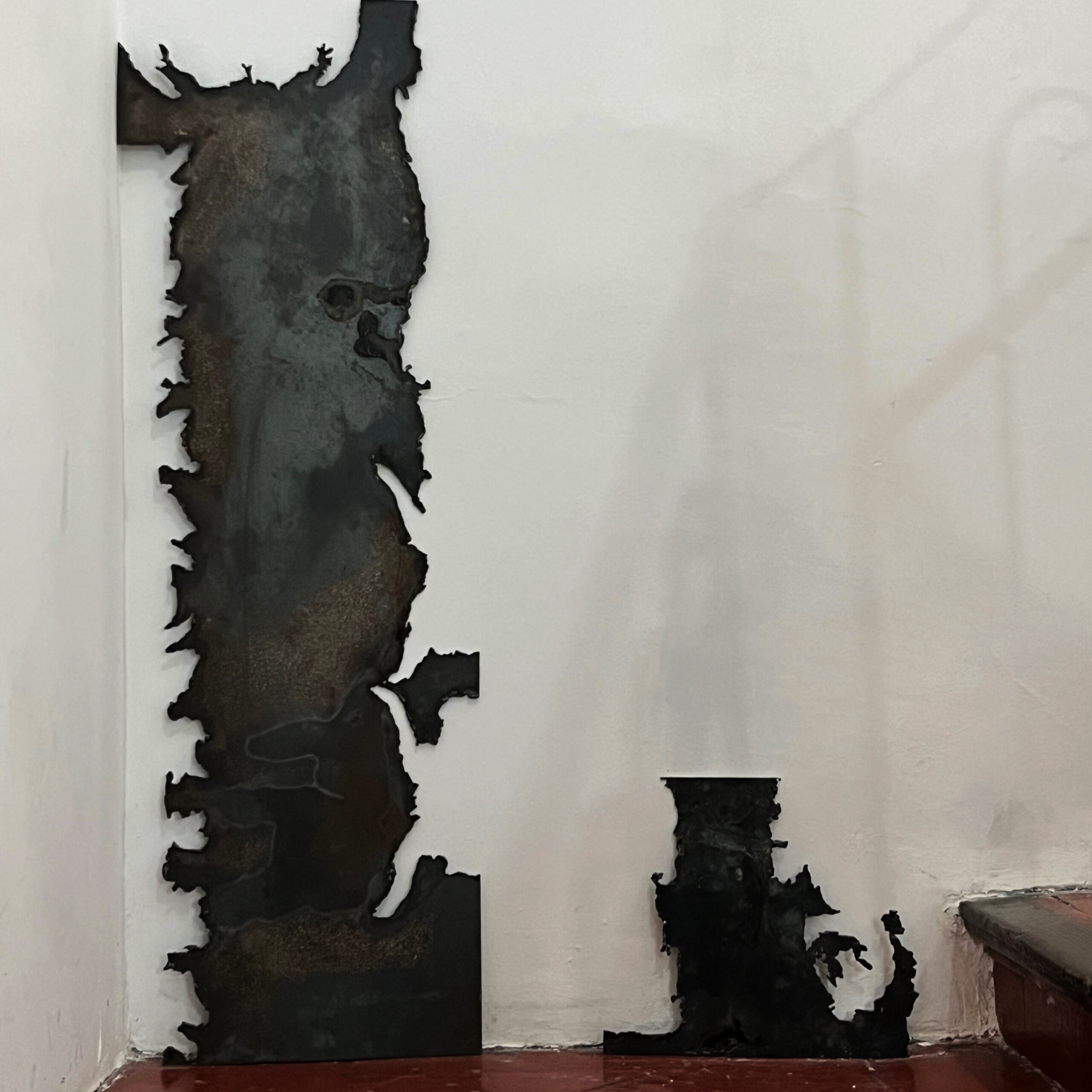
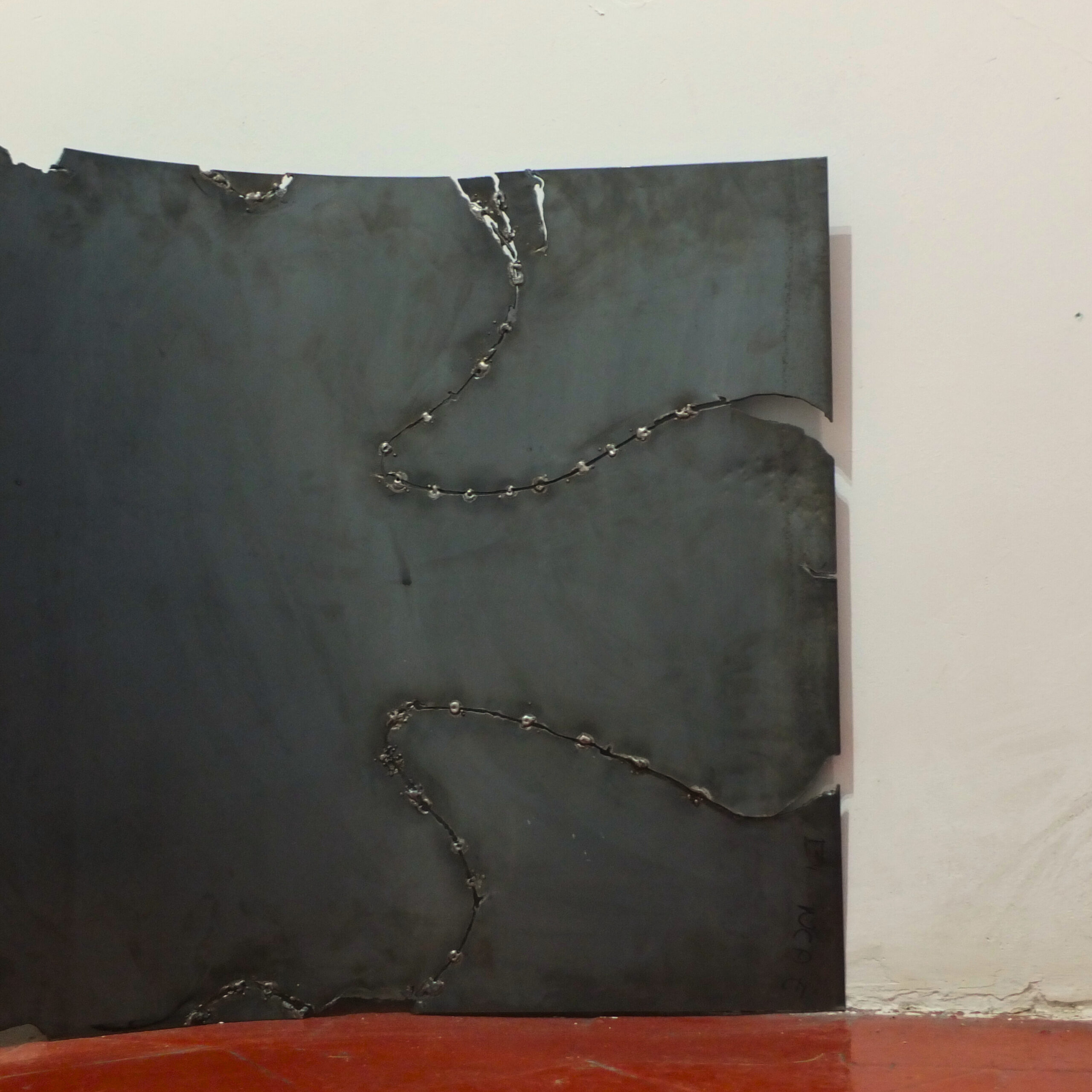
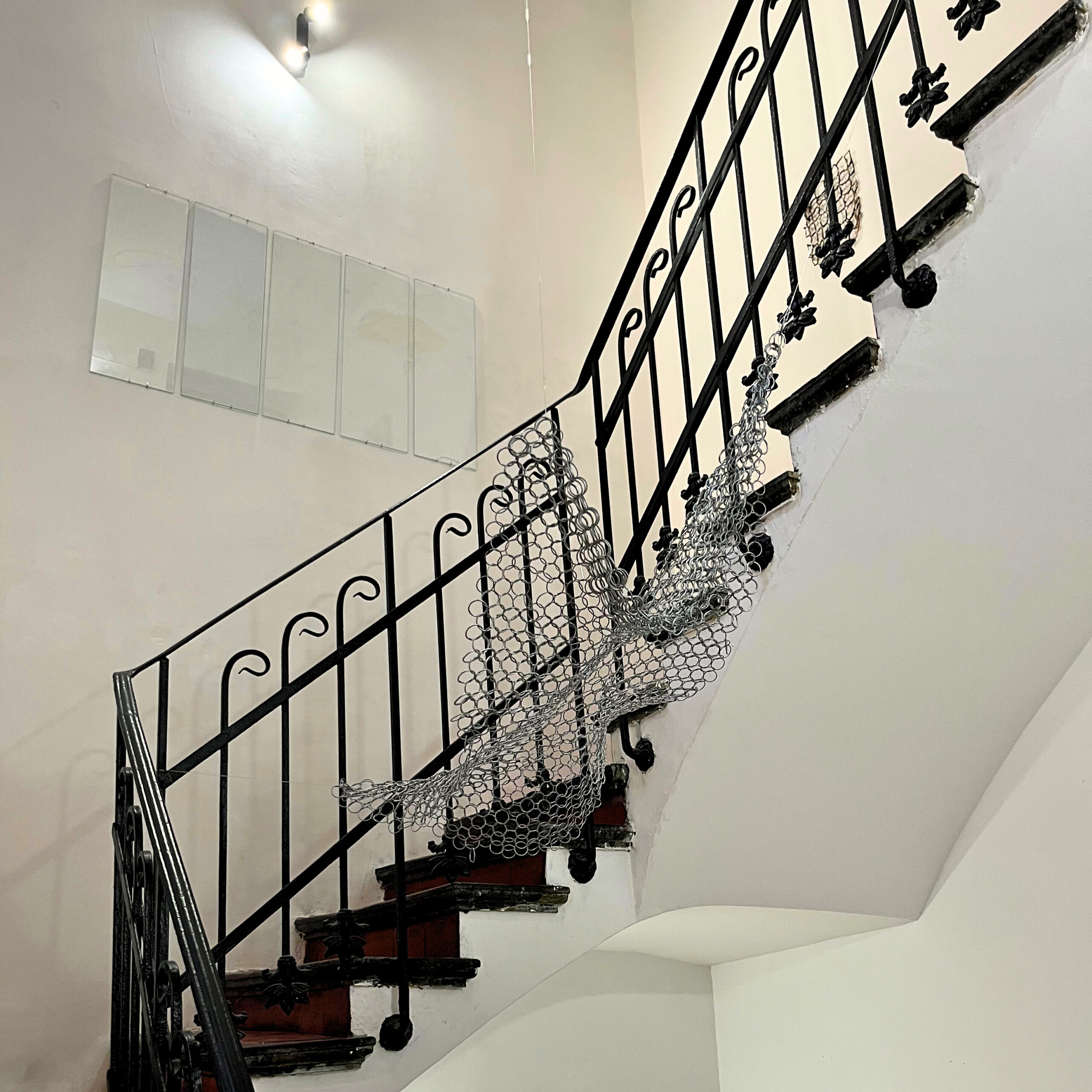
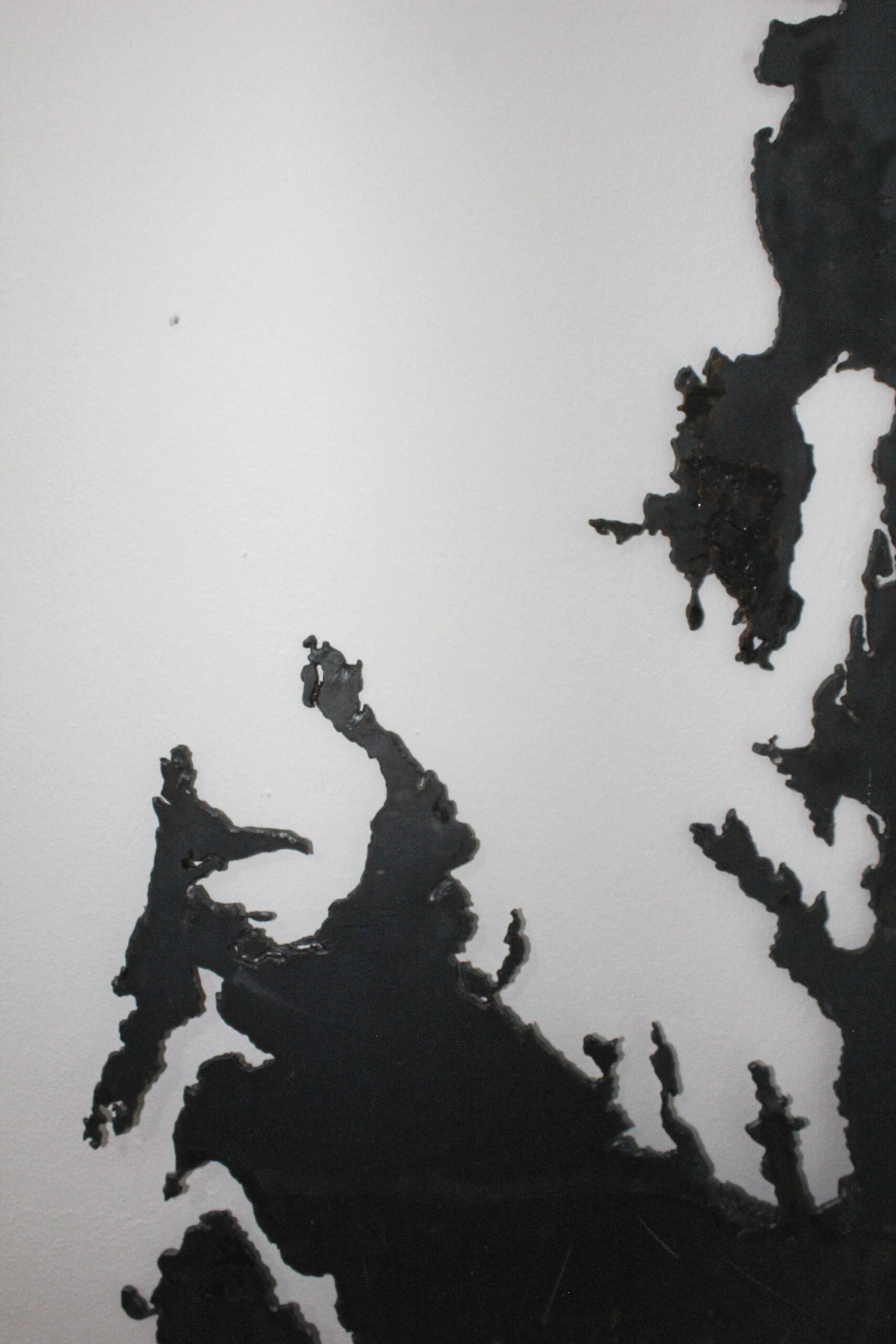
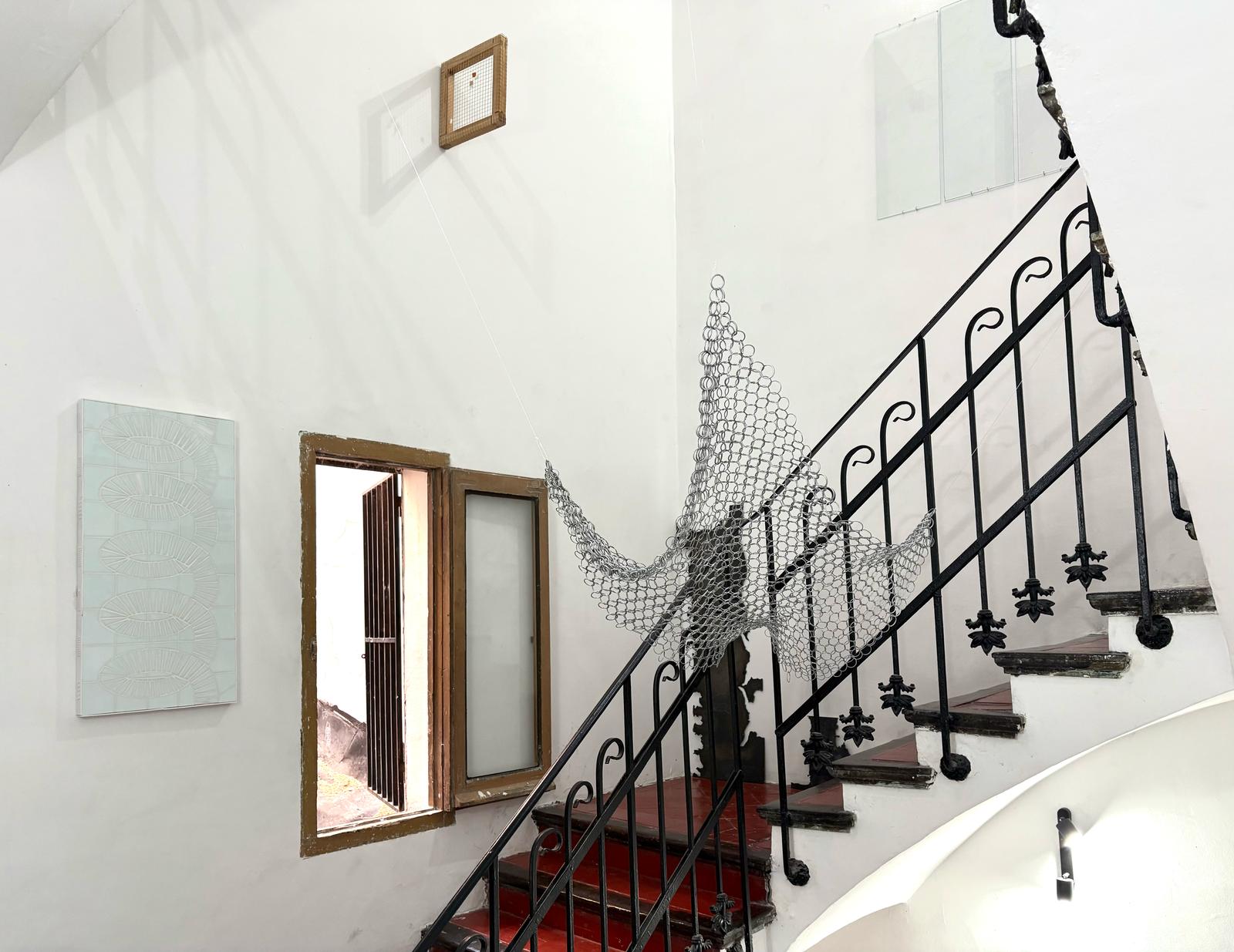
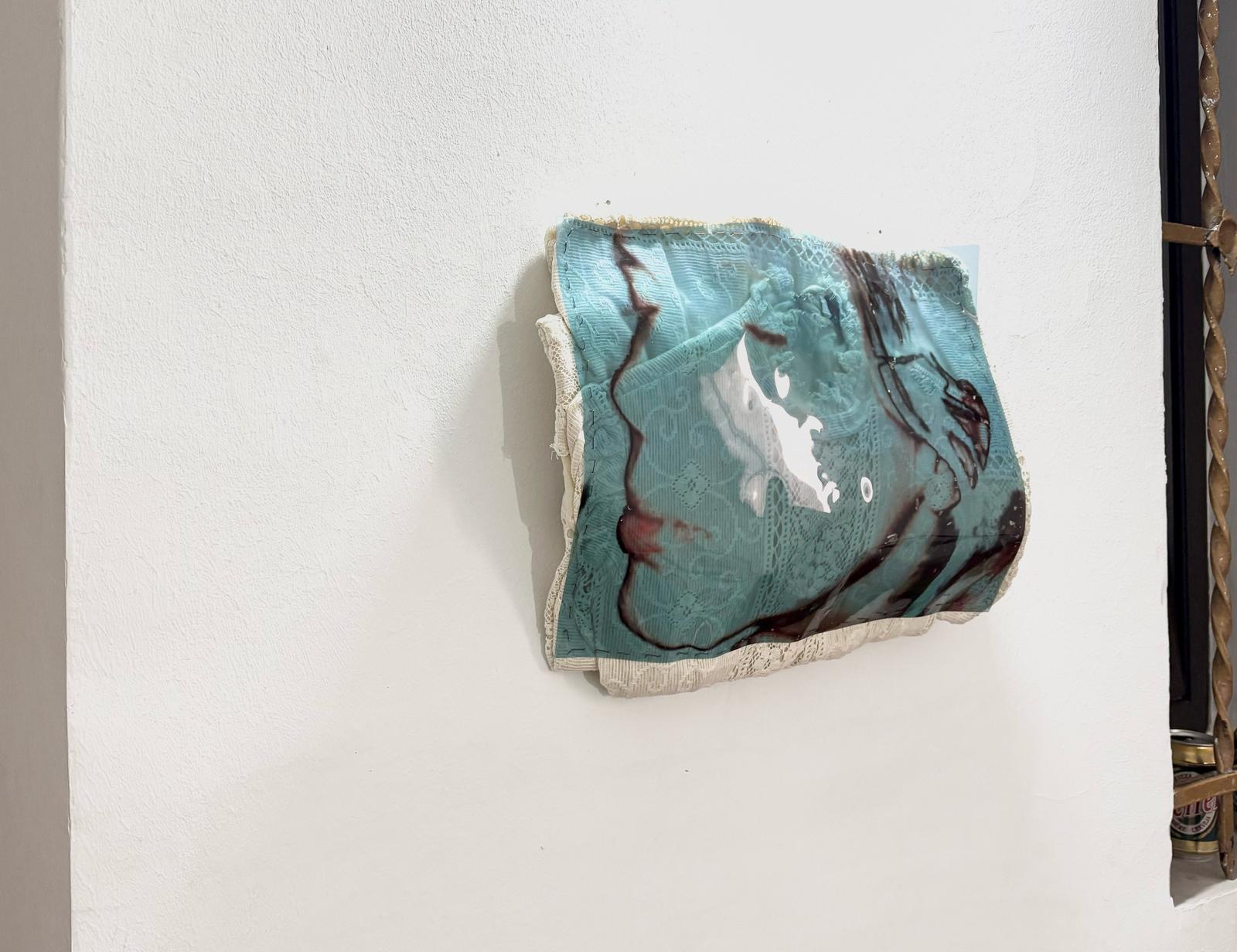
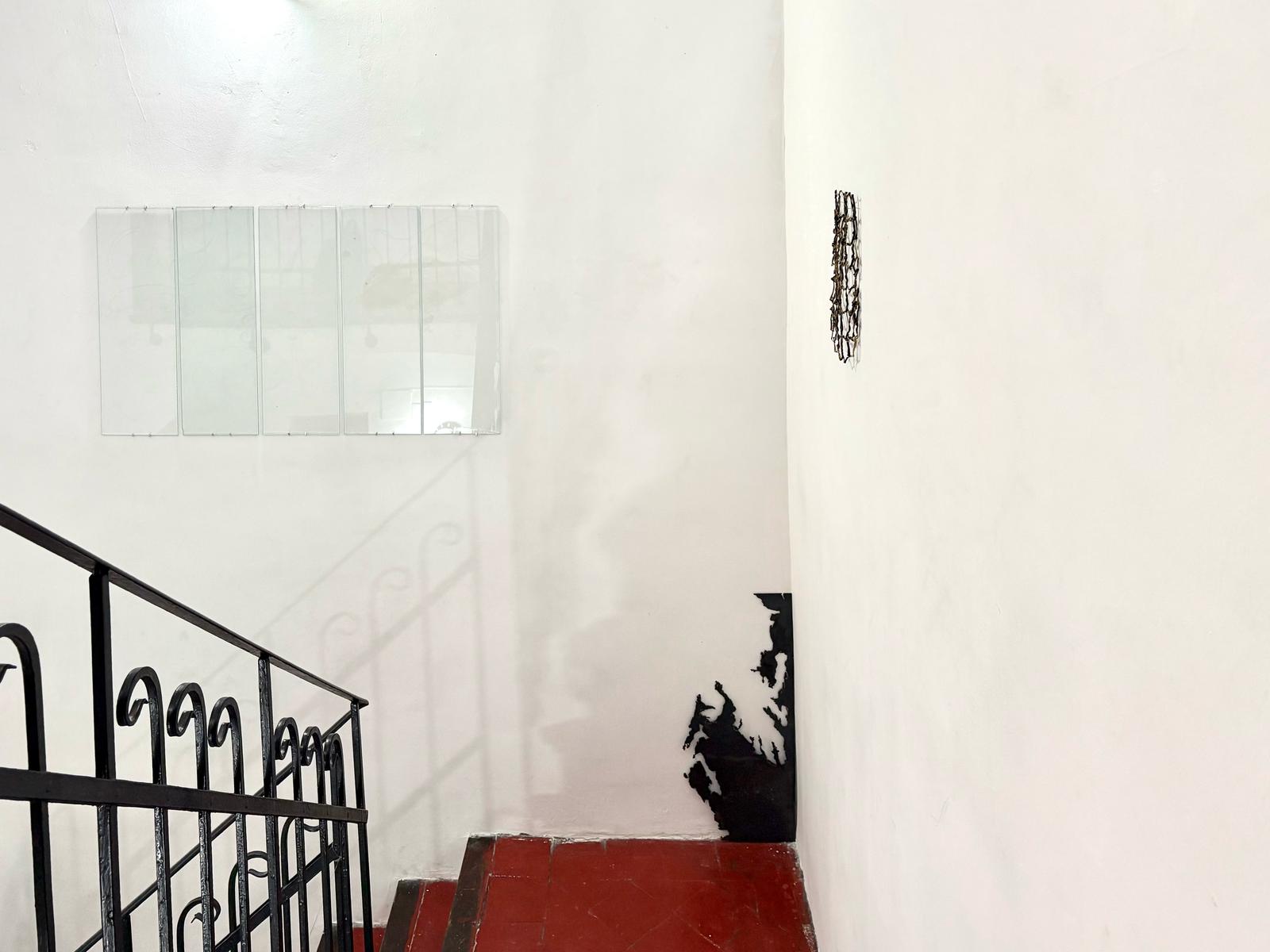
The laboring water combs our barren land. It encircles it with its arms until it ceases to be barren. The embrace channels and shapes it. It moistens the dry earth and then withdraws. It breaks the ground with the distraction of its caress and turns it into mud.
The softened earth, ductile, is yielding but not fragile. Alterable like a dream before fear or desire. We sink our feet into it to sow our food, and we drag our smooth fingers across its velvety, malleable roughness. Thus we possess it in all its new forms.
Sometimes things have to be ours before we deign to care for them. Only then do we devote ourselves to them patiently. Is that fair? I do not know. But the riverbank is fertile, and it is easy to observe what you cherish, even when the gaze is not returned.
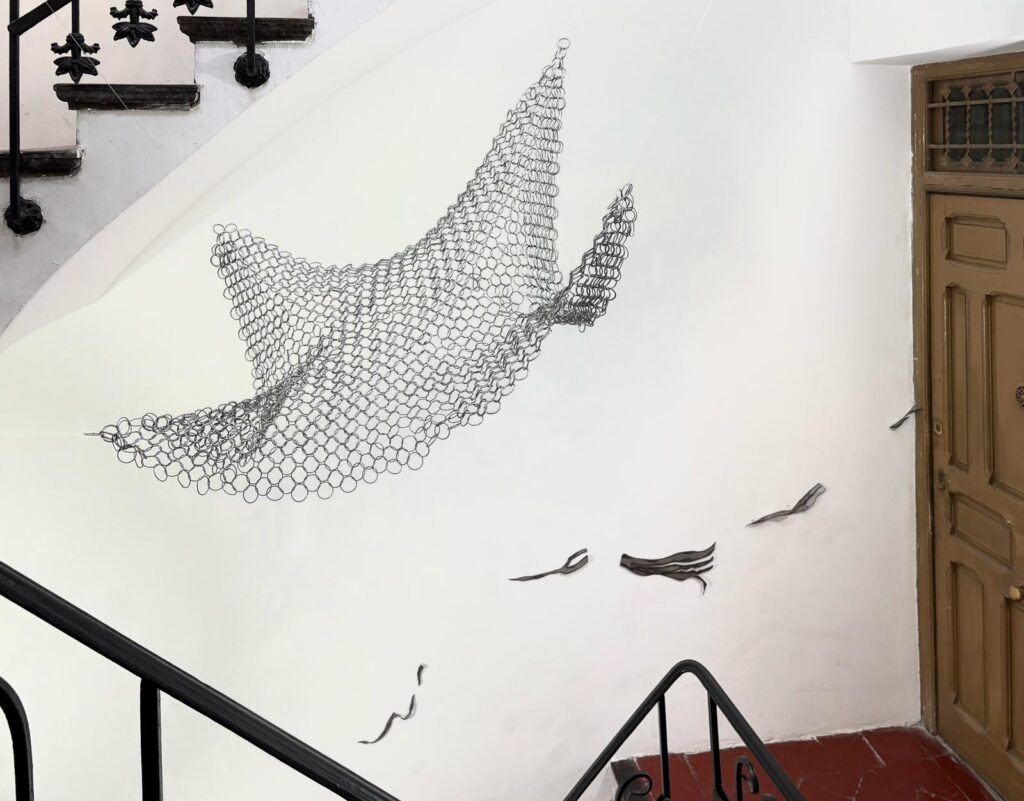
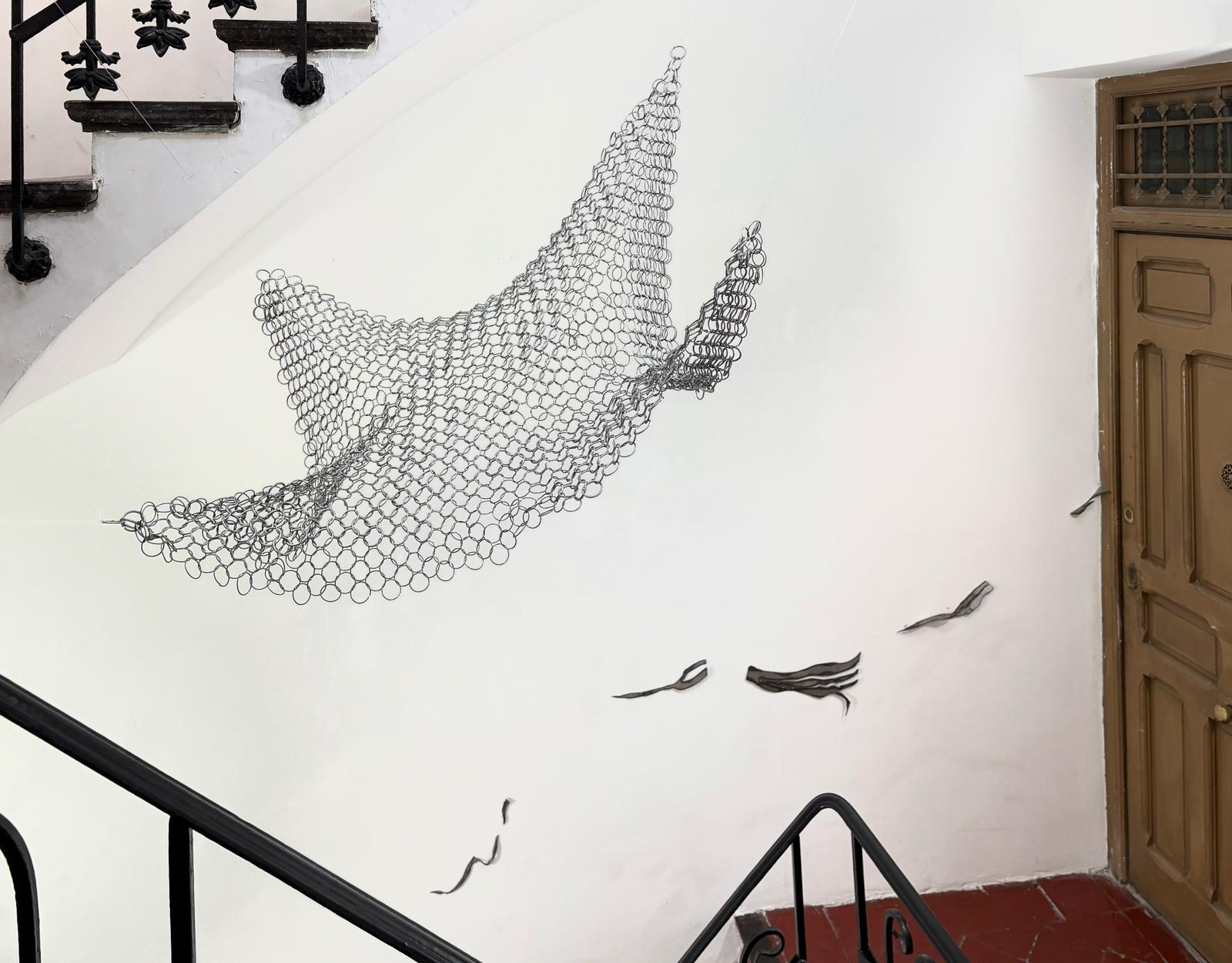
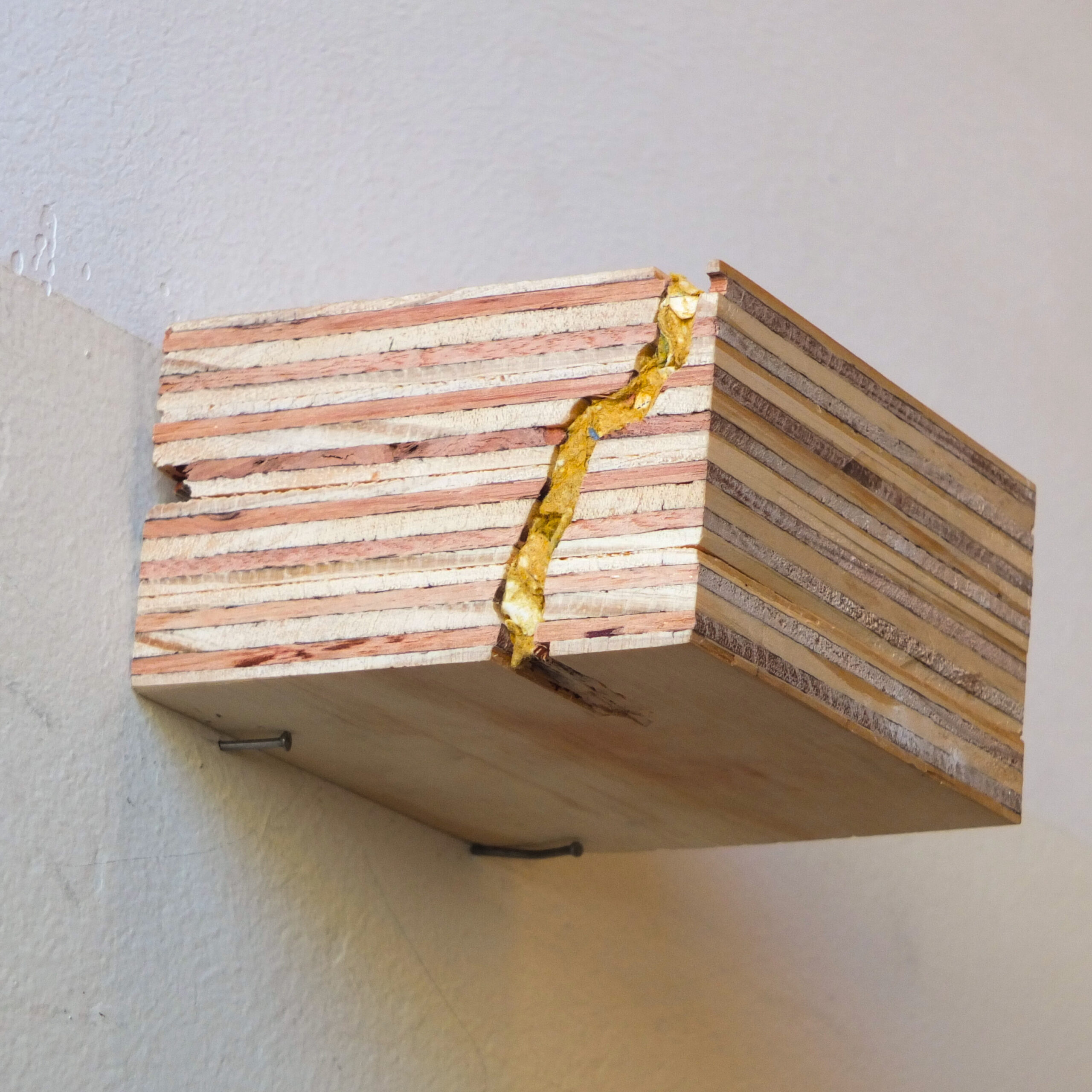
The tributary is the elbow that articulates the sleeping pasture, the lullaby that makes the untilled field surrender. Mud and water are the basting stitch that joins extremities. The homogenizing clay shapes a single body. The sludge is its thread, and the thread in turn becomes textile covering, the tarp of my greenhouse, the taut rope that leaps between the poles of the orchard.
Fibers, reeds, and iron cooperate in harvesting the wheat, plowing the fields, tying bundles of thyme, rosemary, and orange blossom. Metal anchors drift with its weight, and upon it art emulates what it has seen along the roadside.
The land must be a whole and, likewise, be composed of individuals capable of regenerating, twisting, and freeing themselves from unity itself without abandoning it. The unity of our land must be able to move like a living being, foreign to captivity. It must be able to redirect the focus of each of its angles if it so desires, to glimpse realities beyond our hills.
The seasons will continue to pass, and nothing will remain of them if the mud does not weld them together, if their seams unravel or their fractals lose the rhythm of divine proportion. Let us be a fluvial companion, metal that consolidates, clayey glue, a cohesive stitch, living nature. Let us drink from the torrential wound in order to heal it. Let us till the land so as to become a gentle context, a habitable space, a generational refuge. For the flower that blooms in sterile wasteland is admired, but the tears shed at its premature death are not enough to resurrect the barren landscape.
Carla Quesada